
Eating overnight dishes may cause food poisoning, gastrointestinal discomfort, nutrient loss, increased nitrite intake, and increased risk of cancer. The main hazards include bacterial reproduction producing toxins, extensive destruction of vitamins, conversion of nitrite to nitrosamines, induction of acute gastroenteritis, and long-term consumption increasing the risk of cancer.
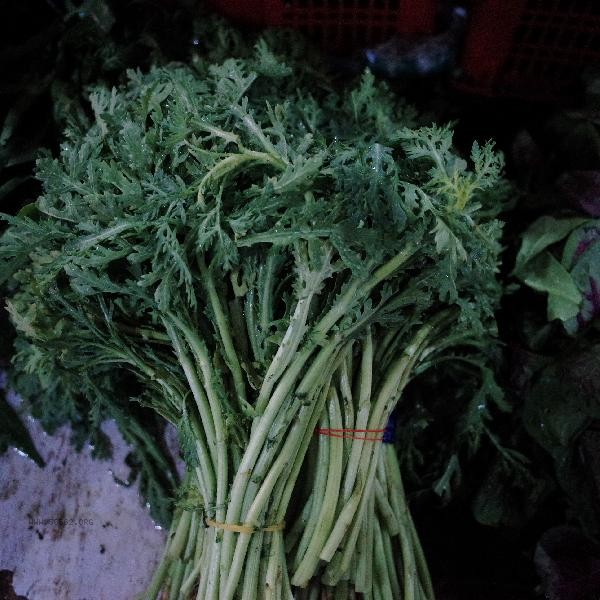
1. Bacterial growth
Overnight vegetables, even if stored in the refrigerator, cannot completely inhibit the growth and reproduction of bacteria. The protein and starch in leftovers are good culture media for bacteria. After overnight storage, the number of pathogenic bacteria such as Salmonella and Staphylococcus aureus will significantly increase. After consuming food contaminated with bacteria, it is easy to cause acute food poisoning symptoms such as nausea, vomiting, abdominal pain, diarrhea, etc., especially for the elderly, children, and pregnant women with weaker immunity, who are more susceptible to bacterial invasion and serious gastrointestinal infections. In severe cases, they may even need to seek medical treatment for anti infection.
2. Nutrient Loss
Vegetables contain abundant water-soluble vitamins such as vitamin C and folate, which are highly unstable and sensitive to heat, light, and oxygen. Overnight vegetables, after repeated heating or prolonged storage, have a high loss rate of vitamin C, and the nutrients in some green leafy vegetables are almost depleted. In addition, the antioxidant substances in vegetables will also decompose and become ineffective over time. Long term consumption of dishes with significantly reduced nutritional value may lead to insufficient intake of trace elements in the human body, affecting the normal function of the immune system and hindering the maintenance of the body's health and metabolic balance.
3. Increased sub salinity
Green leafy vegetables themselves contain a high amount of nitrate, which is reduced to nitrite under the action of bacterial secreted reductases. The longer the overnight storage time of vegetables, the higher the nitrite content. Although consuming a small amount of nitrite at once usually does not immediately cause death, nitrite can combine with amines in the stomach after entering the human body, producing the strong carcinogen nitrosamines. Especially for cold dishes or leftovers that have not been thoroughly heated, there is a greater risk of nitrite accumulation. Frequent consumption of overnight dishes with high nitrite content can increase the burden on the digestive system and increase the potential risk of developing malignant tumors such as gastric cancer and esophageal cancer.
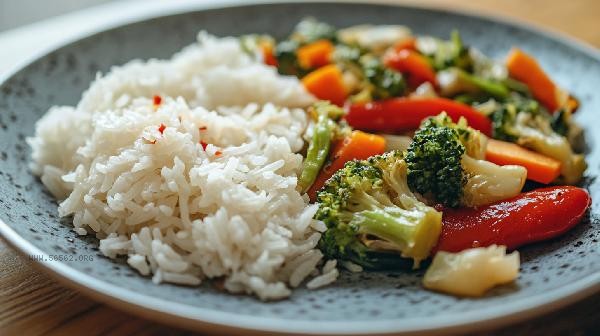
4. Inducing inflammation
Consuming spoiled or bacterial contaminated overnight dishes is one of the common causes of acute gastroenteritis. When pathogenic bacteria or their toxins enter the digestive tract, they directly stimulate the gastrointestinal mucosa, causing inflammatory reactions such as congestion and edema. Patients typically present with severe abdominal cramps, frequent watery stools, fever, and dehydration. For people with underlying diseases such as chronic gastritis and ulcerative colitis, consuming overnight vegetables is more likely to trigger the recurrence or aggravation of old diseases, leading to aggravated damage to the digestive tract mucosa, prolonged recovery period, and seriously affecting daily quality of life and physical health.
5. Cancer risk
Long term consumption of large amounts of overnight vegetables, especially protein rich meats and high nitrate vegetables, can gradually increase the accumulation of carcinogens such as nitrosamines in the body. Nitrosamines have clear carcinogenicity, can damage cellular DNA, and induce malignant mutations in cells. Although occasionally consuming overnight dishes may not immediately cause cancer, accumulated unhealthy eating habits can significantly increase the risk of cancer. In addition to digestive tract tumors, certain mycotoxins (such as aflatoxin, often produced in moldy grains or leftover nuts) also have strong hepatotoxicity and carcinogenicity. Long term exposure can lead to liver disease and threaten life safety.
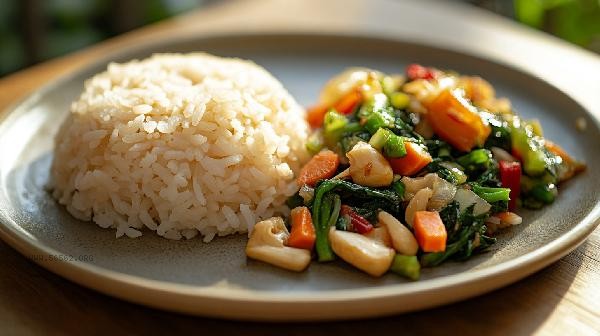
Daily diet should follow the principle of "make and eat now" and minimize the production of leftovers. If it is necessary to store food, it should be sealed and refrigerated as soon as possible after cooking, and the storage time should not exceed 24 hours. Before consumption again, it must be thoroughly heated to ensure that the center temperature meets safety standards to kill potential bacteria. It is recommended to purchase more fresh ingredients, plan the amount of each meal reasonably, and avoid excessive hoarding of food. At the same time, pay attention to a balanced diet, eat more fresh vegetables and fruits, eat less pickled and processed foods, maintain good personal hygiene habits, wash hands before and after meals, regularly clean the internal environment of the refrigerator, prevent cross contamination, and effectively reduce health hazards caused by improper food consumption.



Comments (0)
Leave a Comment
No comments yet
Be the first to share your thoughts!