
Gynecological physical examination usually includes gynecological physical examination, routine vaginal discharge, cervical cancer screening, gynecological ultrasound, and breast examination. These examinations can help assess the health status of the female reproductive system and detect potential problems early.
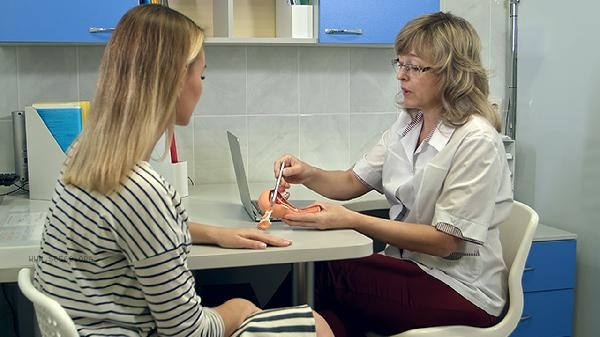
1. Gynecological examination:
This is a basic examination, in which the doctor observes the appearance of the external genitalia, vagina, and cervix through visual and palpation to see if there are any abnormalities, and touches the size, position, tenderness, or lumps of the uterus and bilateral adnexa. Before the examination, the bladder should be emptied and the body should be relaxed to alleviate discomfort.
2. Routine vaginal discharge:
collects vaginal secretions, analyzes cleanliness, pH value, and the presence of pathogens such as trichomonas, fungi, or clue cells. This examination is mainly used to diagnose vaginitis, such as bacterial vaginosis or candidal vaginitis. If abnormalities are found, the doctor may recommend the use of metronidazole suppository, clotrimazole vaginal tablet or clindamycin phosphate vaginal gel and other drugs.
3. Cervical cancer screening:
mainly includes cervical liquid based thin-layer cytology examination and human papillomavirus testing. The former is used to detect abnormal changes in cervical cells, while the latter tests for infection with high-risk HPV viruses. The combined screening of the two can effectively improve the detection rate of cervical precancerous lesions and early cervical cancer. If the results are abnormal, further vaginal colposcopy and cervical biopsy are required for diagnosis.

4. Gynecological ultrasound:
usually uses transabdominal or transvaginal ultrasound to observe the morphology of the uterus, endometrial thickness, muscle layer echoes, as well as the size of both ovaries, the presence of cysts or tumors. This examination has important value in diagnosing uterine fibroids, ovarian cysts, endometrial polyps, and intrauterine adhesions. During the examination, holding urine is required for transabdominal ultrasound, while emptying the bladder is required for transvaginal ultrasound.
5. Breast examination:
includes breast palpation and breast ultrasound. Palpation can preliminarily determine the presence of lumps or nodules, while ultrasound can clearly display the internal structure of the breast, distinguish cystic and solid lesions, and evaluate the presence of breast hyperplasia, fibroadenoma, or malignant lesions. For women over 40 years old, a more comprehensive screening can be conducted in conjunction with mammography.

It is recommended that women avoid sexual activity, vaginal medication, and washing for 3 days before the physical examination, and wear loose clothing for easy examination. During menstruation, it is not advisable to undergo gynecological examinations and routine vaginal discharge tests. The best time for examination is 3-7 days after the end of menstruation. If abnormal vaginal bleeding, abdominal pain, or abnormal secretions occur, medical attention should be sought promptly without waiting for a fixed physical examination cycle.








Comments (0)
Leave a Comment
No comments yet
Be the first to share your thoughts!