
Female physical examination generally includes gynecological examination, breast examination, blood examination, imaging examination and other items. The physical examination items need to be selected comprehensively based on factors such as age, marital and reproductive status, and medical history, and should be determined by the doctor after evaluation. Common female physical examination items usually include the following categories.

1. Gynecological examination
Gynecological examination is the core item of female physical examination, mainly observing the condition of the vagina and cervix through gynecological endoscopy, and conducting double diagnosis to understand the condition of the uterus and adnexa. Common examinations include external genital examination, vaginal secretion examination, cervical cytology screening, etc. For married women, it is recommended to undergo a routine gynecological examination once a year. Sexual activity and vaginal medication should be avoided within 24 hours prior to the examination.
2. Breast examination
Breast examination mainly includes breast visual examination, palpation, and breast ultrasound examination. Women under the age of 30 are recommended to undergo a breast clinical examination once a year, while those over the age of 40 are recommended to undergo a combined mammography examination. Examination can reveal abnormal conditions such as breast hyperplasia and nodules. Breast self-examination should be conducted once a month, with the best time being 7-10 days after the end of menstruation.
3. Blood tests
Routine blood tests include basic items such as blood routine, liver function, kidney function, blood glucose, and blood lipids. Evaluate anemia and infection status by detecting indicators such as hemoglobin and white blood cells. Biochemical indicators can reflect metabolic function status. Thyroid function examination is particularly important for women of childbearing age, and it is recommended to have it checked every 2-3 years after the age of 30.
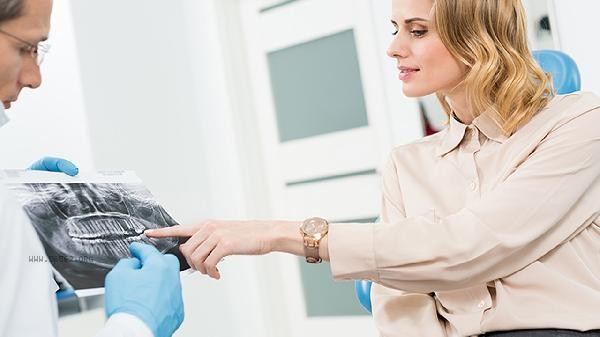
4. Imaging examinations
Common imaging examinations include abdominal ultrasound, thyroid ultrasound, pelvic ultrasound, etc. Abdominal ultrasound can evaluate the condition of organs such as liver, gallbladder, pancreas, and spleen. Pelvic ultrasound has important diagnostic value for gynecological diseases such as uterine fibroids and ovarian cysts. It is recommended that women over 30 years old undergo pelvic ultrasound examination once a year, and those over 45 years old may consider adding bone density testing.
5. Other examinations
Depending on individual circumstances, special examinations such as cervical cancer screening, HPV testing, and tumor markers may need to be added. Pregnant women are advised to increase screening for TORCH infection. Individuals with a family history should consider genetic disease related testing. Before the physical examination, it is necessary to truthfully inform the doctor of personal and family history in order to develop a personalized examination plan.
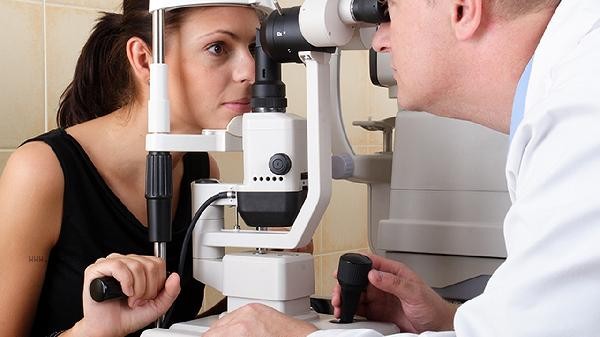
It is recommended that women establish the habit of regular physical examinations, with comprehensive examinations at least every 2 years after the age of 25 and annual examinations after the age of 40. Avoid vigorous exercise and alcohol consumption one day before the physical examination, and maintain sufficient sleep. Wear loose clothing on the day of inspection, avoid makeup and metal jewelry. If there are any discomfort symptoms or abnormal test results, seek medical attention and have a follow-up examination in a timely manner.








Comments (0)
Leave a Comment
No comments yet
Be the first to share your thoughts!