
The physical examination for teenagers mainly includes physical examination, laboratory examination, imaging examination, and specialized screening.

1. Physical examination
includes measuring height and weight to evaluate growth and development, screening for hypertension tendency through blood pressure testing, detecting sensory abnormalities through visual and auditory tests, screening for heart murmurs or respiratory system problems through cardiopulmonary auscultation, and observing physical development through spine and limb examinations. Doctors will examine the status of superficial organs such as the thyroid gland and lymph nodes through palpation.
2. Laboratory examination
Blood routine examination can reflect anemia, infection, etc.; routine urine examination can screen kidney disease and diabetes; liver function examination can assess metabolic capacity; hepatitis B surface antigen examination can screen virus infection. Some institutions will increase blood lipid and blood glucose testing, and it is recommended to test insulin resistance related indicators for obese adolescents.
3. Imaging examination
Chest X-ray can detect pulmonary tuberculosis or congenital heart and lung abnormalities, and abdominal ultrasound can examine organ structures such as liver, gallbladder, pancreas, and spleen. Scoliosis screening can be diagnosed through X-rays, and bone age testing helps evaluate growth and development potential. Joint imaging examination may be necessary for individuals with a history of sports injuries.

4. Specialized screening
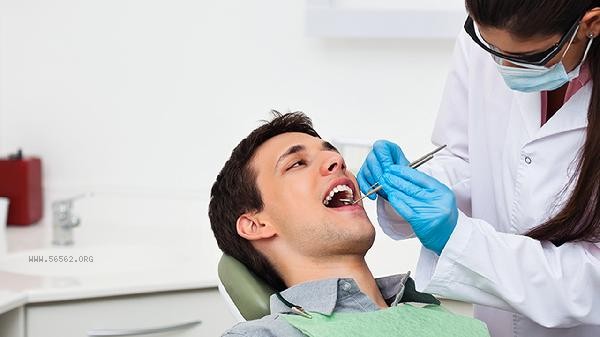
psychological assessment scale detects anxiety and depression tendencies, nutritional questionnaire analyzes dietary structure issues, and sexual development assessment records the progression of secondary sexual characteristics. Oral examination reveals dental caries or abnormal occlusion, while skin examination identifies common issues during puberty such as acne. Some regions will conduct screening for parasitic diseases.
5. Health guidance
provides personalized advice based on examination results, including scientific exercise plans, balanced diet guidance, eye hygiene education, etc. Intervene in health risk behaviors such as smoking and drinking, and promote sex education and knowledge of infectious disease prevention. Establish health records to track growth and development trends.
It is recommended to undergo a comprehensive physical examination once a year, which can be increased to once every six months during puberty. Maintain a normal daily routine and avoid vigorous exercise before the physical examination. Perform a blood test on an empty stomach for 8-12 hours. Parents should accompany and participate in the interpretation of the report, with a focus on the growth and development curve and changes in psychological status. Any abnormal indicators should be promptly rechecked or treated with a specialist. Daily attention should be paid to supplementing foods rich in calcium and high-quality protein, ensuring 1 hour of moderate intensity exercise every day, and controlling the use of electronic screens to protect vision.








Comments (0)
Leave a Comment
No comments yet
Be the first to share your thoughts!