
General physical examinations usually include physical examinations, laboratory tests, imaging examinations, and other items, and the specific content may vary due to different institutions or needs.
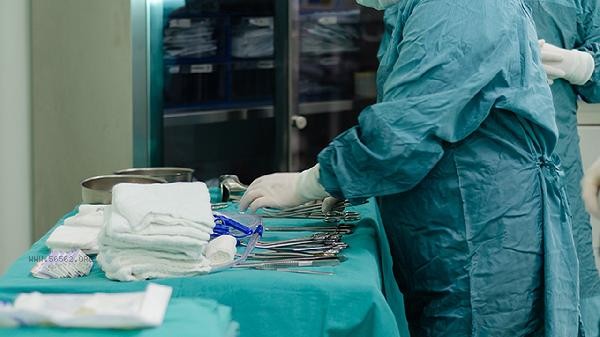
1. Physical examination
Physical examination is the basic item of physical examination, including the measurement of basic indicators such as height, weight, blood pressure, heart rate, etc. Doctors will examine the skin, lymph nodes, thyroid gland, heart and lungs, abdominal organs, etc. through visual examination, palpation, percussion, auscultation, and other methods. Physical examination can help detect common problems such as obesity, hypertension, and thyroid enlargement.
2. Laboratory tests
Laboratory tests usually include basic items such as blood routine, urine routine, and stool routine. Blood routine can detect anemia, infection, and other conditions; Routine urine test is helpful to find problems such as kidney disease and diabetes; Fecal routine can screen for gastrointestinal bleeding, parasitic infections, etc. Partial physical examinations will also include biochemical tests such as liver function, kidney function, blood lipids, and blood glucose.
3. Imaging examinations
Common imaging examinations include chest X-rays, abdominal B-ultrasound, electrocardiograms, etc. Chest X-ray can screen for lung diseases; Abdominal ultrasound can examine organs such as liver, gallbladder, pancreas, spleen, and kidney; electrocardiogram can detect issues such as arrhythmia and myocardial ischemia. Some medical examination packages also include targeted examinations such as thyroid ultrasound and breast ultrasound.

4. Specialized examination
Depending on age and gender, the physical examination may include specialized examination items. Women may undergo gynecological examinations, breast examinations, cervical smears, etc; Men may undergo prostate examination. Middle aged and elderly people may undergo bone density testing, tumor marker screening, and other procedures.
5. Other examinations
Some physical examination institutions also provide ophthalmic examinations, otolaryngological examinations, oral examinations, and other items. Special occupational groups may need to increase occupational disease screening programs. High end physical examinations may include painless gastroscopy CT、 More in-depth examinations such as magnetic resonance imaging. The physical examination items should be personalized based on factors such as individual age, gender, family history, and lifestyle habits. It is recommended to undergo a routine physical examination once a year, and the frequency of physical examinations can be appropriately increased for people over 40 years old. Before the physical examination, one should maintain a normal daily routine and avoid vigorous exercise. Some items require fasting for 8-12 hours. After the physical examination, the report should be properly kept, and any abnormal indicators should be promptly reviewed by medical personnel.









Comments (0)
Leave a Comment
No comments yet
Be the first to share your thoughts!