
The health examination items usually include categories such as physical examination, laboratory examination, imaging examination, functional examination, and specialized examination. Specific items need to be adjusted according to factors such as age, gender, and medical history.
1. Physical examination
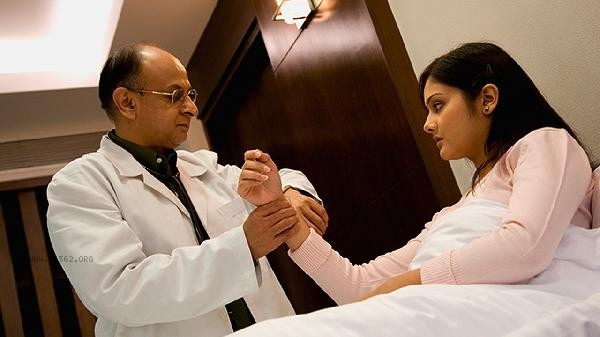
includes basic measurements such as height, weight, blood pressure, pulse, etc. Nutritional status is evaluated through body mass index, and blood pressure testing is used to screen for hypertension risk. Doctors will conduct physical examinations such as cardiopulmonary auscultation and abdominal palpation to preliminarily assess the functional status of organs. Part of the physical examination will include vision, hearing screening, and oral examination.
2. Laboratory examination
Blood routine can detect anemia, infection, and other issues, while urine routine reflects kidney function and metabolic status. Liver function tests include indicators such as transaminase and bilirubin, while kidney function tests focus on creatinine and urea nitrogen levels. The blood glucose and blood lipid tests have screening value for diabetes and hyperlipidemia, and the tumor marker tests are targeted at specific high-risk groups.
III. Imaging Examination
Chest X-ray examination for lung diseases, abdominal ultrasound observation for organs such as liver, gallbladder, pancreas, and spleen. ECG detection of cardiac electrical activity, breast ultrasound or molybdenum target is suitable for female breast cancer screening. Some medical examination packages include low-dose lung CT, which has a higher detection rate for early lung cancer. Bone density testing can assess the risk of osteoporosis.

4. Functional examination
Pulmonary function test evaluates the respiratory system condition and is suitable for long-term smokers. Retinopathy caused by hypertension and diabetes can be found by fundus examination. Some institutions provide arteriosclerosis testing to evaluate vascular elasticity. gastrointestinal endoscopy is usually an optional procedure that requires advance appointment preparation.
Fifth, Specialized Examination
Gynecological examination includes cervical smear, HPV testing, etc. Men can add prostate specific antigen examination. It is recommended to undergo colorectal cancer screening, such as fecal occult blood or colonoscopy, for those over 40 years old. According to occupational exposure risks, it may be necessary to increase specialized examinations related to occupational diseases. Individuals with a family history should have targeted genetic disease screening programs added. Three days before the physical examination, a light diet should be maintained, vigorous exercise should be avoided, and blood tests should be conducted on an empty stomach for 8-12 hours. Women should avoid their menstrual period, and those who take medication for a long time should inform their doctor. After the physical examination, the report should be properly kept, and any abnormal indicators should be rechecked by a specialist. Normal results should also be followed up regularly. Establishing a continuous health record is helpful for early detection of diseases. It is recommended to develop personalized physical examination plans based on age and health status, and high-risk groups can increase the frequency of examinations appropriately.









Comments (0)
Leave a Comment
No comments yet
Be the first to share your thoughts!