
A general normal physical examination usually includes several categories of items such as physical examination, laboratory examination, imaging examination, and specialized examination. The specific content will be focused on based on age, gender, and past health status.

1. Physical examination:
This is the basic part of the physical examination, which is conducted by the doctor through visual, tactile, percussion, auditory and other methods. Mainly including measuring basic vital signs such as height, weight, blood pressure, pulse, etc., evaluating nutritional status and development. The doctor will also examine the appearance of the skin, lymph nodes, thyroid gland, spine and limbs for abnormalities, as well as perform cardiopulmonary auscultation and abdominal palpation to preliminarily determine whether there are obvious problems with internal organs.
2. Laboratory examination:
This part is mainly analyzed by drawing blood and collecting urine and fecal samples. Blood routine can screen for anemia, infection, or blood system diseases; Routine urine test is helpful to detect kidney disease, urinary tract infection or diabetes; Routine tests can preliminarily determine whether there is bleeding or parasitic infection in the digestive tract. Biochemical tests include liver function, kidney function, blood glucose, blood lipids, etc., used to evaluate liver and kidney function as well as glucose and lipid metabolism status.
3. Imaging examination:
Imaging examination can visually display the structural morphology of organs in the body. Chest X-ray is a routine procedure used to screen for lung inflammation, tuberculosis, or tumors. Abdominal ultrasound examination can observe the size, shape, and presence of stones, cysts, or tumors in organs such as the liver, gallbladder, pancreas, spleen, and kidneys. Women may also undergo breast ultrasound and gynecological ultrasound, while men may undergo prostate ultrasound.
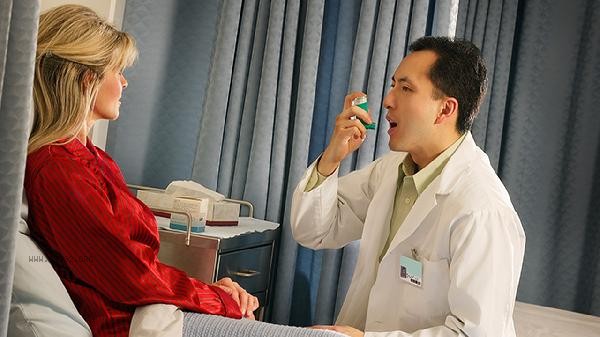
4. Specialized examination:
provides a more detailed evaluation of specific systems. electrocardiogram examination is used to screen for cardiac problems such as arrhythmia and myocardial ischemia. Ophthalmic examination includes visual acuity, color vision and fundus examination, which can detect ametropia, glaucoma or diabetes retinopathy. Ear, nose and throat examination mainly checks for inflammation or new growths in the external auditory canal, eardrum, nasal cavity, and throat. Oral examination focuses on oral health issues such as dental caries and periodontal disease.
5. Other common items:
Depending on age and risk factors, some physical examinations may also include bone density testing to screen for osteoporosis; Helicobacter pylori testing is used to assess the risk of gastric infection; And tumor marker screening, such as alpha fetoprotein, carcinoembryonic antigen, etc., as auxiliary reference indicators for certain cancers. For people over 40 years old, it may also be recommended to undergo gastrointestinal endoscopy to screen for early gastrointestinal tumors.

It is recommended to maintain a normal diet and daily routine before the physical examination. Before drawing blood, it is necessary to fast for 8-12 hours and avoid vigorous exercise and alcohol consumption. Women should avoid undergoing gynecological examinations and urine routine tests during their menstrual period. On the day of the physical examination, wear loose clothing for easy on and off. After receiving the report, for abnormal indicators marked in red, it is necessary to consult a doctor in a timely manner, follow the advice for re examination or further specialized diagnosis and treatment, and not interpret or ignore them on your own.








Comments (0)
Leave a Comment
No comments yet
Be the first to share your thoughts!