
General gynecological examinations mainly include gynecological routine examination, vaginal discharge routine examination, gynecological B-ultrasound, cervical cancer screening (TCT and HPV testing), and breast examination.

1. Routine gynecological examination:
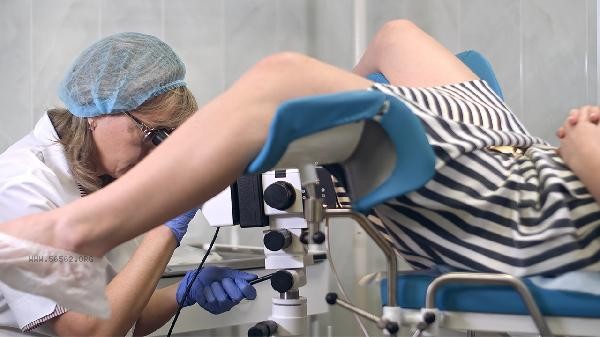
This is the basic item of gynecological examination, which is performed by doctors through visual observation and double or triple diagnosis. The main examination is to check for any abnormalities in the appearance of the external genitalia, vagina, and cervix, such as growths, inflammation, ulcers, etc. At the same time, you can touch the size, position, texture, and activity of the uterus to see if it is normal, and whether there is tenderness or lumps in the adnexal area (ovaries and fallopian tubes). This examination can preliminarily determine whether there are common problems such as reproductive tract infections, uterine fibroids, ovarian cysts, etc.
2. White discharge routine:
is used to evaluate the health status of the vaginal microbiota environment. Doctors will take a small amount of vaginal secretions for laboratory testing, mainly to check the cleanliness and pH value of the vagina, as well as the presence of pathogens such as trichomonas, fungi (Candida), and clue cells. If the leucorrhea has abnormal color, smell or quantity, such as yellowing, peculiar smell, bean curd residue like or foam like, it is usually necessary to check whether there is vaginitis and its type, so as to carry out targeted treatment.
3. Gynecological B-ultrasound:
This is a non-invasive imaging examination, divided into two types: abdominal B-ultrasound and vaginal B-ultrasound. Vaginal ultrasound images are clearer and there is no need to hold urine. B-ultrasound can clearly display the morphology and structure of the uterus, endometrium, ovaries, and fallopian tubes, and is used for diagnosing uterine fibroids, endometrial polyps, ovarian cysts, intrauterine adhesions, and abnormal position of intrauterine devices. For women with abnormal vaginal bleeding, abdominal pain, or menstrual disorders, gynecological ultrasound is an essential diagnostic tool.
4. Cervical cancer screening:
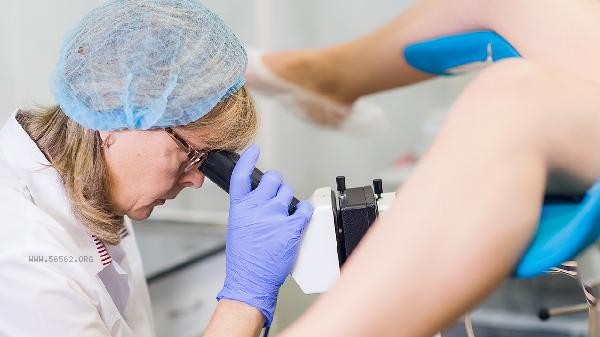
This is the core project for preventing cervical cancer, usually including TCT testing and HPV testing. TCT examination is performed by brushing the exfoliated cells from the cervical opening and observing under a microscope whether the cell morphology has undergone precancerous lesions or cancerous changes. HPV testing is to check for infection with high-risk human papillomavirus, which is the main cause of cervical cancer. The combined screening of the two can more accurately assess the risk of cervical cancer, and it is recommended that women who engage in sexual activity undergo it regularly.
5. Breast examination: Although breast examination belongs to the surgical category, many gynecological examination packages include this item. Mainly including breast palpation and breast ultrasound. Palpation can preliminarily feel whether there is a lump, nodule or tenderness in the breast. Breast color ultrasound can more accurately distinguish whether the tumor is cystic (blister) or solid, as well as its boundary, shape, blood flow signal and other characteristics, which are used to screen breast hyperplasia, breast fibroma, breast cancer and other diseases. For individuals over 40 years old or at high risk, doctors may recommend adding mammography.
It is recommended to avoid the menstrual period before gynecological examination, avoid sexual activity, vaginal flushing, and local medication for 3 days before the examination, and wear clothing that is easy to put on and take off. If there is abnormal vaginal bleeding, severe abdominal pain, or palpable abdominal mass, medical attention should be sought promptly without waiting for the regular physical examination cycle. If there is any discomfort after the examination, it is necessary to communicate with the doctor in a timely manner.








Comments (0)
Leave a Comment
No comments yet
Be the first to share your thoughts!