
The main examination items for lung cancer include low-dose spiral CT of the chest, detection of tumor markers, pathological tissue biopsy, bronchoscopy, PET-CT, etc. These examinations can help clarify the presence of space occupying lesions in the lungs, determine their nature, and evaluate the staging of the disease.
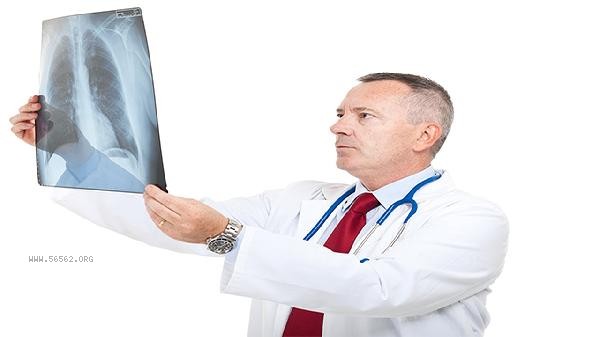
1. Low dose spiral CT of the chest:
This is currently the most commonly used imaging examination method in lung cancer screening and diagnosis. Compared to regular chest X-rays, low-dose spiral CT can more clearly display small lesions and early lesions in the lungs, which is of great value in detecting early lung cancer. If a lung nodule is found during examination, the doctor will make a preliminary judgment on its benign or malignant potential based on the size, density, morphology, and other characteristics of the nodule, and decide on subsequent follow-up or further examination plans.
2. Tumor biomarker detection:
detects the levels of certain lung cancer-related substances in the blood through blood tests, such as carcinoembryonic antigen, cytokeratin 19 fragment, squamous cell carcinoma antigen, etc. The elevation of these indicators may indicate the risk of lung cancer, but the elevation of tumor markers does not necessarily equate to the diagnosis of lung cancer, as some benign lung diseases may also cause mild elevation. This test is usually used as a reference for auxiliary diagnosis and efficacy monitoring, and cannot be used alone as a diagnostic basis.
3. Pathological tissue biopsy:
This is the gold standard for diagnosing lung cancer. Obtain tissue samples of suspected lung lesions through puncture biopsy, bronchoscopy biopsy, or surgical resection, and then observe cell morphology under a microscope to determine whether they are cancer cells and specific pathological types, such as adenocarcinoma, squamous cell carcinoma, small cell lung cancer, etc. The pathological results are crucial for guiding the development of subsequent treatment plans, including whether targeted therapy or immunotherapy is needed. 4. Bronchoscopy examination: Bronchoscopy is an important diagnostic tool for lesions located in the central airway or larger bronchi. The doctor inserts a slender hose with a camera into the patient's trachea and bronchi through the mouth or nose, allowing for direct observation of any new organisms, narrowing, or bleeding in the airway. Biopsy, brushing, or lavage can be performed under direct visualization to obtain cell or tissue samples for pathological examination. This examination has a high diagnostic value for central lung cancer.
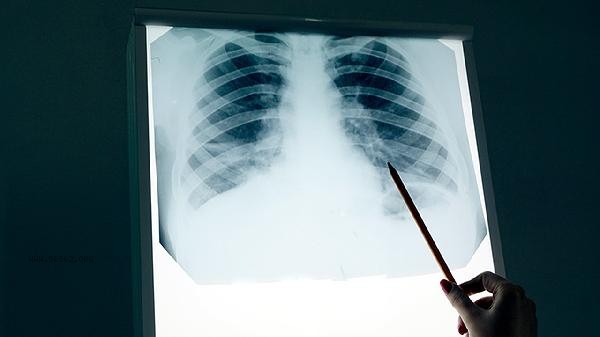
5. PET-CT:
Positron emission computed tomography is an imaging examination that combines function and morphology. It can not only display the anatomical location and size of the lesion, but also determine the benign or malignant nature of the lesion and whether there is distant metastasis by observing the cellular uptake and metabolic activity of glucose. For diagnosed lung cancer patients, PET-CT is commonly used to assess the staging of the disease and help doctors develop more accurate comprehensive treatment strategies, such as determining whether surgical resection is suitable.
It is recommended that individuals with a long-term smoking history, family history of cancer, or persistent symptoms such as cough, bloody sputum, and chest pain actively undergo lung cancer related examinations. In daily life, quitting smoking, avoiding exposure to secondhand smoke and kitchen fumes, maintaining a healthy diet and moderate exercise can help reduce the risk of lung cancer. After diagnosis, one should actively cooperate with doctors to complete necessary examination procedures, in order to clarify the diagnosis as soon as possible and start standardized treatment.








Comments (0)
Leave a Comment
No comments yet
Be the first to share your thoughts!