
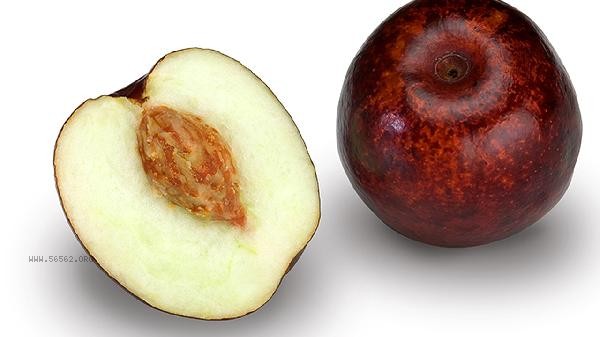
Eating too many green jujubes may cause gastrointestinal discomfort, blood sugar fluctuations, weight gain, affect mineral absorption, and trigger allergic reactions.

1. Gastrointestinal burden
Excessive consumption of jujube can significantly increase the digestive burden on the gastrointestinal tract. Green jujubes are rich in dietary fiber, and moderate intake can help promote intestinal peristalsis. However, excessive intake at once can lead to fiber accumulation in the intestines, causing symptoms such as bloating, abdominal pain, or diarrhea. Especially for people with weaker gastrointestinal function, the stimulation of a large amount of raw and cold jujube may induce acute gastroenteritis, manifested as nausea, vomiting, and increased frequency of bowel movements. It is recommended to control the quantity during daily consumption and avoid overeating on an empty stomach to reduce physical irritation and chemical load on the gastrointestinal mucosa.
2. Fluctuations in blood sugar
Although green dates have a crisp taste and moderate sweetness, their actual sugar content is relatively high, mainly including glucose and fructose. If consumed in large quantities in a short period of time, it can cause a rapid increase in sugar levels in the blood, leading to severe fluctuations in blood sugar. For patients with diabetes or insulin resistance, this peak blood sugar will increase the pressure of the metabolic system, which is not conducive to disease control. Long term exposure may also increase the burden on pancreatic islet cells and affect the balance of glucose metabolism in the body. Therefore, this group of people should strictly limit their intake when tasting green jujubes and monitor postprandial blood sugar changes.
3. Weight gain
As a fruit, jujube contains a certain amount of calories, mainly derived from its internal carbohydrates. If you consume a large amount of green jujubes in addition to your normal diet, it can lead to excessive daily calorie intake. Excess calories that cannot be consumed by the body in a timely manner will be converted into fat and stored in the body, leading to weight gain and even obesity over time. Especially for people who are controlling their weight or have a need to lose weight, ignoring the calorie contribution of jujube and eating too much at will can offset the efforts of exercise and other dietary control, hindering the achievement of body shape management goals.
4. Affects absorption
The dietary fiber and certain phytochemicals rich in jujube may interfere with the body's absorption of other nutrients when consumed in excess. For example, excessive fiber may combine with minerals such as calcium, iron, and zinc in food to form insoluble complexes, thereby reducing the absorption rate of these trace elements in the intestine. Long term consumption in large quantities may lead to mild mineral deficiency symptoms in the body, such as increased risk of anemia or osteoporosis. It is recommended to pair green jujubes with foods rich in high-quality protein and other vitamins to maintain a balanced nutrition.
5. Allergy risk
Some people may have allergic reactions to specific proteins or components in jujube. When the consumption amount is too large, the intake concentration of allergens increases, which is more likely to trigger an overreaction of the immune system. Allergic symptoms may include itching, redness, urticaria, and in severe cases, respiratory edema or difficulty breathing. People who are experiencing or have a known history of fruit allergies for the first time should be extra cautious. Once early signs such as numbness in the lips or rash are detected, they should immediately stop consuming and seek medical help to avoid serious allergic shock events caused by excessive consumption.

The daily consumption of green jujubes should follow the principle of moderation. It is recommended that adults limit their daily intake to a few or less, and children and the elderly should reduce their portion size. Before consumption, it is necessary to clean the green jujube thoroughly, remove surface residues, and peel it as much as possible before consumption to reduce the risk of pesticide residue intake. Avoid consuming large amounts immediately after meals to avoid increasing the burden on the stomach. If you experience indigestion or physical discomfort, you should adjust your diet structure in a timely manner and drink plenty of warm water to promote metabolism. For people with chronic underlying diseases, it is recommended to develop personalized fruit intake plans under the guidance of professional nutritionists or doctors to ensure dietary safety and health.








Comments (0)
Leave a Comment
No comments yet
Be the first to share your thoughts!