
Eating too much black beans may cause gastrointestinal discomfort, affect mineral absorption, lead to elevated uric acid levels, increase kidney burden, and result in weight gain.
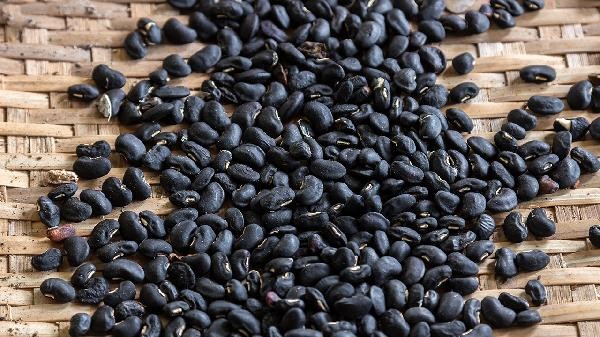
1. Gastrointestinal bloating
Black beans contain a large amount of oligosaccharides and dietary fiber. Moderate consumption can help promote intestinal peristalsis, but excessive or long-term consumption can produce a large amount of gas when these components are fermented by bacteria in the intestine. This usually leads to digestive symptoms such as abdominal distension, frequent flatulence, abdominal pain, and even diarrhea. Especially for people with weak gastrointestinal function, chronic gastritis, or irritable bowel syndrome, excessive consumption of black beans can significantly increase the burden on the gastrointestinal tract and cause obvious discomfort. It is recommended that these people strictly control the single consumption amount and try to cook black beans until they are cooked to reduce irritation before consumption.
2. Obstructing absorption
Black beans have a high content of polyphenols such as phytic acid and tannins in their skin and interior. These anti nutritional factors have antioxidant effects in moderation, but if ingested in excess, they will combine with metal ions such as iron, zinc, and calcium in food to form complex compounds that are not easily absorbed by the human body. Long term consumption of unprocessed black beans in large quantities may interfere with the normal absorption of these essential minerals by the human body, and over time may increase the risk of iron deficiency anemia or zinc deficiency. To reduce this negative impact, it is recommended to fully soak black beans before cooking and destroy some anti nutritional factors through high-temperature cooking to improve the bioavailability of minerals.
3. Elevated Uric Acid
Black beans belong to foods with moderate purine content. Although their plant-based purines have a relatively small impact on blood uric acid compared to meat, excessive consumption can still cause purine overload in people with limited metabolic capacity. When the purine metabolism in the body is disrupted and the uric acid produced exceeds the renal excretion capacity, the concentration of uric acid in the blood will increase. This may not only trigger acute attacks of gout, but also lead to the deposition of urate crystals in joints or kidneys. Patients with hyperuricemia or a history of gout should be extra cautious when consuming black beans and avoid consuming large amounts at once to avoid causing fluctuations in the condition or worsening joint pain symptoms.
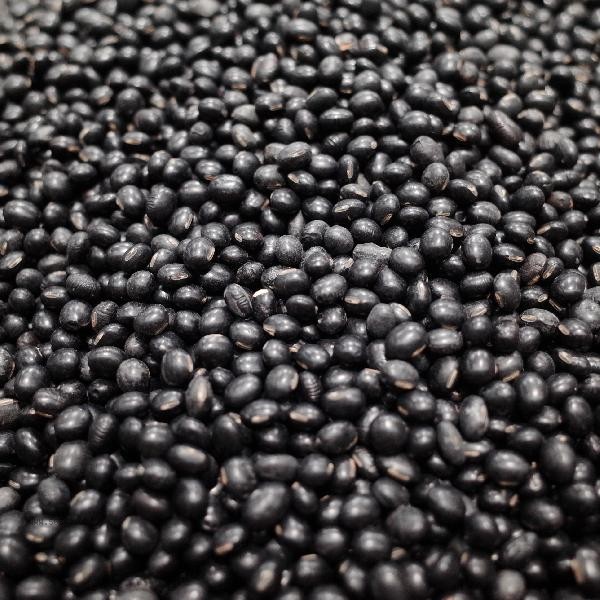
4. Renal burden
Black beans are rich in high-quality plant protein and have high nutritional value, but protein metabolism in the body produces nitrogen-containing waste that needs to be filtered out by the kidneys. If an excessive amount of black beans is consumed in a short period of time, it can lead to protein intake far exceeding the body's needs, forcing the kidneys to work beyond their capacity to clear excess metabolites. For people with normal kidney function, occasional excessive intake may only manifest as temporary fatigue. However, for those with chronic kidney disease, renal insufficiency, or the elderly, excessive intake of plant protein can accelerate the deterioration of kidney function, which may lead to worsening symptoms such as edema and fatigue. Therefore, kidney disease patients should strictly limit their intake of legumes under the guidance of professional nutritionists.
5. Weight gain
Although black beans are often considered a weight loss food, their calorie density is not low, with high carbohydrate and fat content per 100 grams of dried black beans. If you consume a large amount of black beans in addition to your daily diet, or add too much oil and sugar during cooking, it can easily lead to excessive total calorie intake. Excess calories that cannot be consumed by the body in a timely manner will be converted into fat accumulation in the body. Long term use of this method not only fails to achieve weight loss goals, but can also lead to weight gain and obesity problems. In addition, if the feeling of fullness caused by overeating affects the intake of other balanced diets, it may also lead to an imbalance in nutritional structure. It is recommended to replace some refined rice and white flour with black beans as part of the staple food, rather than unlimited consumption as snacks.

The principle of food diversification should be followed in daily diet. When consuming black beans, it is necessary to control the total amount. It is recommended that adults consume no more than 50 grams of dry beans per day and pay attention to fully cooking them for digestion. The cooking method should be stewed or beaten, avoiding deep frying or high sugar processing, while pairing with fresh vegetables and fruits rich in vitamin C to promote iron absorption. If there are persistent symptoms such as bloating, abdominal pain, or joint discomfort after consumption, it is necessary to stop eating immediately and seek medical advice in a timely manner. Do not blindly supplement, maintaining a balanced diet and moderate exercise are the key to maintaining health.








Comments (0)
Leave a Comment
No comments yet
Be the first to share your thoughts!