
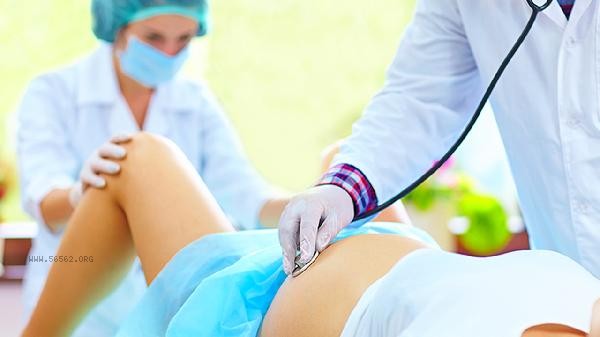
After hysteroscopy surgery, attention should be paid to a light and easily digestible diet, high-quality protein supplementation, vitamin intake, avoidance of stimulating foods, and sufficient water intake.
1. Light and easy to digest
The gastrointestinal function is weak at the initial stage after surgery, so we should choose soft and easy to absorb foods such as millet porridge, rotten noodles, steamed egg custard, etc. These types of foods can reduce gastrointestinal burden, avoid bloating or nausea caused by indigestion, help the body focus energy on wound repair rather than food breakdown, and promote early postoperative recovery.
2. High quality protein supplementation
Protein is the basic raw material for tissue repair, and patients can consume fish, chicken breast, tofu, milk and other high-quality protein rich ingredients in moderation. Adequate protein intake helps accelerate the healing of endometrial wounds, enhance the body's immune system, reduce the risk of postoperative infections, and provide necessary material support for body reconstruction.
3. Vitamin intake
Fresh vegetables and fruits such as broccoli, carrots, apples, and oranges are rich in vitamin C and vitamin A. These nutrients have antioxidant effects, can promote collagen synthesis, enhance vascular elasticity, reduce the probability of postoperative bleeding, and improve metabolic disorders caused by surgical stress, maintaining normal physiological functions of the body.
4. Avoid stimulating foods
After surgery, it is necessary to strictly avoid spicy peppers, raw garlic, alcohol, and fried foods. This type of food can easily stimulate the gastrointestinal mucosa, causing congestion or spasms, which may worsen pelvic congestion and lead to increased vaginal bleeding or abdominal pain, which is not conducive to the stability and healing of uterine wounds. It should be completely avoided from consumption.
5. Adequate water intake
It is necessary to drink sufficient warm water every day to maintain fluid balance. Adequate hydration helps promote metabolism, accelerate the elimination of anesthetic drugs and metabolic waste from the body, prevent postoperative constipation, and avoid excessive bowel movements that can lead to increased abdominal pressure and affect the healing process of uterine incisions.
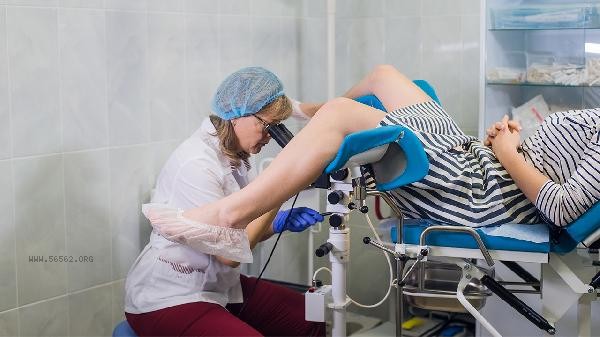
During the recovery period, patients should maintain a regular schedule, avoid vigorous exercise and heavy physical labor, and pay attention to the cleanliness and hygiene of the perineum to prevent infection. Dietary adjustments should be made gradually, transitioning from liquid to semi liquid and then to regular food. If there is fever, abdominal pain, or increased vaginal bleeding, it is necessary to promptly go to the hospital for follow-up treatment and care according to medical advice to ensure a smooth recovery of the body.



Comments (0)
Leave a Comment
No comments yet
Be the first to share your thoughts!