
Drinking alcohol during menstruation may lead to increased menstrual flow, prolonged periods, worsening dysmenorrhea, dizziness, fatigue, and gastrointestinal discomfort.

1. Increased menstrual flow
Alcohol has the effect of dilating blood vessels. Drinking alcohol during menstruation can accelerate blood circulation, leading to increased pelvic congestion and accelerating the shedding of endometrium, causing abnormal increase in menstrual flow. This situation may disrupt the normal physiological cycle, leading to anemia symptoms in women, manifested as pale complexion, palpitations, shortness of breath, etc. Over time, this can affect physical health and daily work efficiency.
2. Prolonged menstrual period
Drinking alcohol can interfere with the normal fluctuations of hormone levels in the body, affect uterine contraction function, and lead to poor or incomplete menstrual blood flow, resulting in significantly prolonged menstrual period. After the normal menstrual cycle is disrupted, not only does it increase the risk of infection, but it may also lead to secondary gynecological inflammation, which requires a longer period of physical recovery. In severe cases, medical attention should be sought for hemostasis.
3. Increased Dysmenorrhea
Alcohol stimulation can lead to increased spasmodic contractions of uterine smooth muscles. For women who already have a history of menstrual pain, drinking alcohol can significantly exacerbate lower abdominal pain, and even radiate back pain to the inner thighs. This intense pain is often accompanied by autonomic nervous system reactions such as cold sweat, nausea, and vomiting, which are difficult to alleviate with simple rest and seriously affect the quality of life.

4. Dizziness and fatigue
During menstruation, women's bodies are in a state of blood loss, and their resistance is relatively weak. Drinking alcohol at this time can easily increase the metabolic burden on the liver, leading to acetaldehyde accumulation and causing severe dizziness, headache, and general fatigue. In addition, due to the deficiency of qi and blood during menstruation, the inhibitory effect of alcohol can reduce the excitability of the central nervous system, leading to symptoms such as drowsiness and lack of concentration, and increasing the probability of accidental injury.
5. Gastrointestinal discomfort
Increased secretion of prostaglandins during menstruation can easily cause abnormal gastrointestinal motility. Direct stimulation of the gastric mucosa by alcohol can induce acute gastritis, leading to symptoms such as stomach pain, bloating, acid reflux, and diarrhea. Under this dual stimulation, digestive and absorption functions are disrupted, nutrient intake is obstructed, further weakening the body's immune system and delaying the process of physical recovery after the end of menstruation.
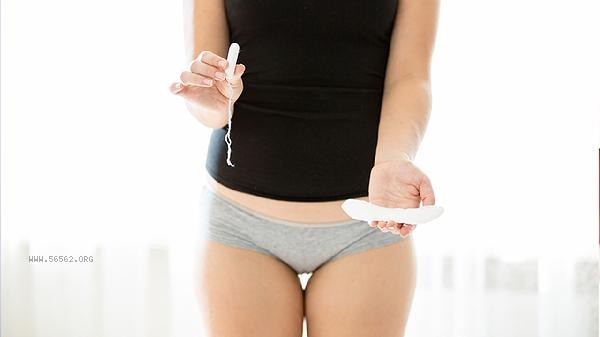
During menstruation, you should strictly avoid drinking any alcoholic drinks, including beer, red wine and Baijiu, so as not to increase the burden on your body. It is recommended to drink more warm water or brown sugar ginger water to promote blood circulation, pay attention to keeping the abdomen warm, avoid getting cold, have a light and easily digestible diet, and supplement foods rich in iron and protein such as lean meat, eggs, and spinach in moderation. Maintain sufficient sleep, avoid intense exercise and overwork. If severe discomfort symptoms occur, seek timely medical attention at the gynecology department of the hospital and receive treatment and conditioning under the guidance of professional doctors.



Comments (0)
Leave a Comment
No comments yet
Be the first to share your thoughts!