
Washing your face with rice water may help clean the skin and improve skin quality, but there is a lack of scientific evidence to support its clear efficacy. Rice washing water contains small amounts of vitamins, minerals, and starch, which may have a mild effect on the skin.
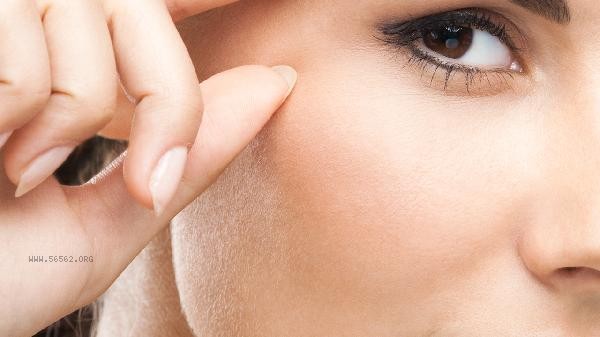
1. Cleaning effect
Starch components in rice washing water may adsorb facial oils, and their weak alkalinity can help soften the stratum corneum. It is recommended to let the rice washing water settle before taking the upper clear liquid to avoid skin irritation caused by rice bran residue. Sensitive skin needs to undergo small-scale testing first. If redness or itching occurs, it should be stopped immediately.
2. Nutritional supplementation
The B vitamins and small amounts of potassium and magnesium elements contained in rice washing water may participate in skin metabolism. These water-soluble nutrients have low concentrations and limited actual absorption effects, and cannot replace regular skincare products. Continuous use should be accompanied by sun protection measures to avoid UV rays from increasing the burden on the skin.
3. pH Adjustment
The pH value of the rice washing water is about 7.5-8.5, which may temporarily neutralize the acidic environment on the face. Frequent use may damage the natural barrier of the skin, leading to dryness or sensitivity. It is recommended to use it no more than 3 times a week and apply moisturizer promptly after use to maintain the skin's water and oil balance.
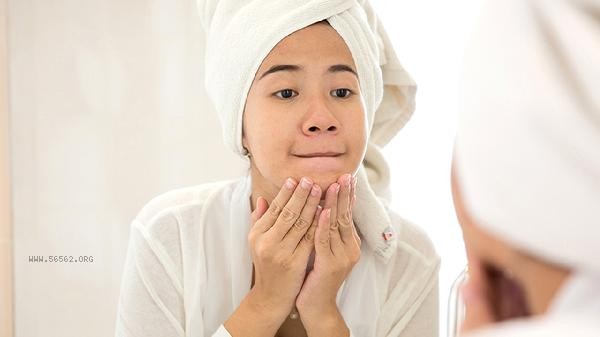
4. Limitations of Folk Formula Testing
Washing face with rice water is a traditional nursing method, and there is a lack of clinical research to verify its exact efficacy. For skin problems such as acne and pigmentation, medical treatment and medication are still necessary. Rice washing water stored for more than 12 hours is prone to bacterial growth and should be prepared and used on the same day.
5. Alternative
Modern skin care recommends using amino acid based cleansing products, which have more controllable cleansing power and mildness. If you insist on using rice water, it is recommended to pair it with regular moisturizing products and observe the skin's tolerance. If there is persistent redness or peeling, stop using it in a timely manner and consult a dermatologist.
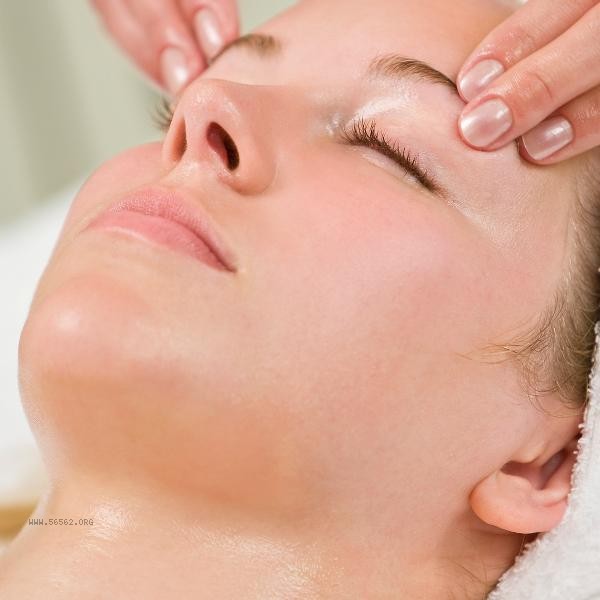
Daily skincare should focus on the basic cleaning moisturizing sun protection process, and rice water can be used as an auxiliary try but should not be overly relied on. People with sensitive skin should prioritize choosing non additive skincare products and avoid using homemade skincare products with unknown ingredients. Maintaining a regular schedule and balanced diet has a better effect on improving skin health than local care. It is necessary to ensure sufficient water intake and fresh vegetables and fruits rich in vitamins every day.








Comments (0)
Leave a Comment
No comments yet
Be the first to share your thoughts!