
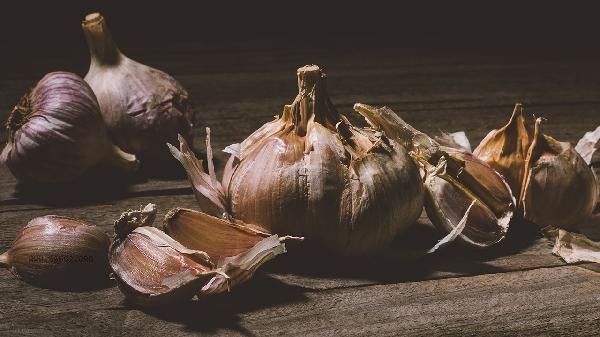
Eating raw garlic can help enhance immunity, assist in regulating blood lipids, inhibit the growth of some bacteria, promote appetite, and improve intestinal environment.
1. Enhance immunity
Raw garlic contains abundant allicin and various sulfides, which have significant biological activity and can stimulate the generation and activity of human immune cells, helping the body build a stronger defense barrier. Eating a proper amount of raw garlic can help improve the body's resistance to external viruses and bacteria, and reduce the probability of seasonal influenza. For people with weak physical constitution or who are prone to fatigue, adding raw garlic appropriately to their daily diet can be used as an auxiliary means to maintain the normal function of the immune system, but care should be taken not to over consume it to avoid stimulating the gastrointestinal mucosa.
2. Regulating Blood Lipids
Research has shown that the active substances in raw garlic have a positive impact on cardiovascular health, as they can assist in reducing the levels of total cholesterol and low-density lipoprotein in the blood, thereby reducing pressure on the blood vessel wall. Long term and moderate intake of raw garlic can help delay the process of atherosclerosis, maintain vascular elasticity, and prevent cardiovascular and cerebrovascular diseases. This regulatory effect is achieved by affecting the activity of lipid metabolism related enzymes in the liver. For middle-aged and elderly people who are concerned about blood lipid health, incorporating raw garlic into their daily dietary structure is a simple and feasible nutritional intervention.
3. Inhibition of bacteria
Raw garlic is known as a natural antibiotic, and its allicin has significant inhibitory and killing effects on various pathogenic bacteria such as Staphylococcus aureus and Escherichia coli. Chewing raw garlic in moderation can help clean the mouth, reduce the growth of harmful bacteria in the mouth, and prevent gingivitis and bad breath when eating raw and cold foods or in environments with poor hygiene conditions. At the same time, it can also inhibit the toxins produced by abnormal fermentation in the gastrointestinal tract to a certain extent, maintaining the balance of the digestive microbiota. However, if there is gastric ulcer or acute gastritis, it should be consumed with caution to avoid aggravating the condition.
4. Promoting Appetite
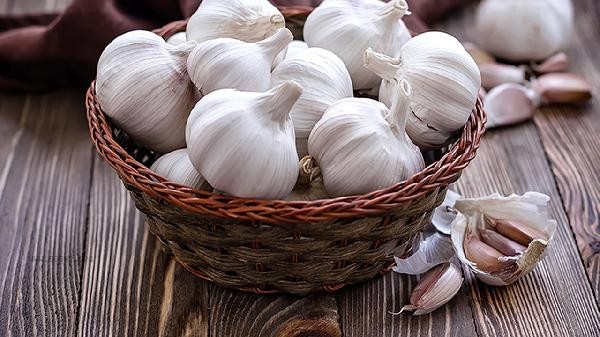
The unique spicy aroma of raw garlic can strongly stimulate the taste and smell nerves, reflexively causing an increase in saliva and gastric juice secretion, thereby significantly enhancing appetite. For loss of appetite caused by hot weather, emotional stress, or recovery period after illness, consuming a small amount of raw garlic can have an appetizing and digestive effect, helping to improve the problem of insufficient food intake. In addition, garlic flavor can also remove the fishy smell of meat ingredients, making the taste of dishes more rich. However, if heated at high temperatures for a long time during the cooking process, some effective ingredients will be destroyed, so raw food can better retain its digestive properties.
5. Improving intestinal health
Moderate consumption of raw garlic can help regulate the structure of intestinal microbiota, promote the growth and reproduction of beneficial bacteria, inhibit the activity of spoilage bacteria, and thus improve the intestinal environment. The dietary fiber components in garlic can also promote intestinal peristalsis, accelerate the excretion of metabolic waste, and alleviate mild constipation symptoms. A good intestinal environment helps to absorb and utilize nutrients, and can reduce the adverse effects of toxin accumulation in the body. However, for individuals with sensitive intestines or those with irritable bowel syndrome, the irritability of raw garlic may lead to abdominal pain and diarrhea, and the intake should be adjusted according to their own reactions.
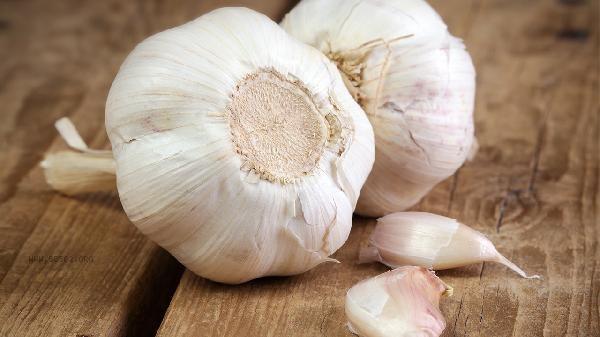
The amount of raw garlic consumed in daily diet should be strictly controlled, and it is recommended not to exceed two cloves per day. It is best to consume it after meals to reduce direct stimulation of the fasting gastrointestinal tract. People with eye diseases, liver dysfunction, or taking anticoagulant drugs should avoid eating large amounts of raw garlic to avoid discomfort or interference with its efficacy. If symptoms such as heartburn, acid reflux, or skin allergies occur after consumption, stop immediately and consult a professional physician. Maintaining a balanced diet structure, paired with fresh vegetables and fruits, sufficient water intake, and moderate exercise, is essential to better utilize the health value of food and maintain overall physical condition.








Comments (0)
Leave a Comment
No comments yet
Be the first to share your thoughts!