
Eating persimmons can help supplement vitamin C, dietary fiber, and various minerals. The main benefits include moistening the intestines and promoting bowel movements, clearing heat and moistening the lungs, assisting in lowering blood pressure, protecting vision, and enhancing immunity.
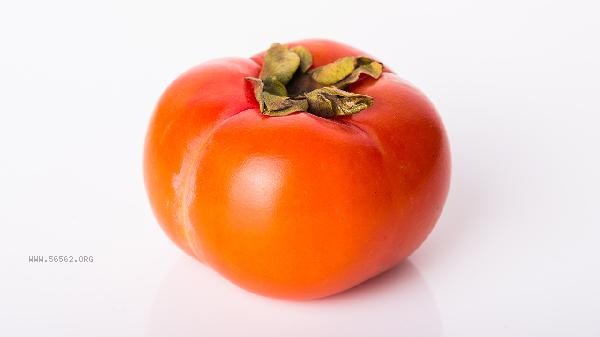
1. Moisturizing the intestines and promoting bowel movements
Persimmons are rich in dietary fiber and pectin, which can promote gastrointestinal peristalsis, increase stool volume, and soften stool after entering the human body, effectively relieving constipation symptoms. For people with difficulty defecating due to a refined diet or insufficient drinking water, consuming mature persimmons in moderation can help improve the intestinal environment and maintain normal excretion function. However, it is important to note that they should not be consumed on an empty stomach or when they are not yet mature to avoid the formation of stomach stones.
2. Clearing heat and moistening the lungs
In traditional Chinese medicine theory, persimmons are cold in nature, sweet and astringent in taste, and belong to the lung meridian. They have significant effects in clearing heat, generating fluids, moistening the lungs, and resolving phlegm. When the human body experiences discomfort such as lung heat cough, sore throat, or dry mouth and tongue, consuming persimmons can help eliminate heat pathogens in the body, moisturize lung tissue, and reduce respiratory inflammation. Especially suitable for consumption in dry autumn weather, it can alleviate dry cough caused by lung injury due to dryness and evil, such as no phlegm or thick phlegm.
3. Auxiliary blood pressure reduction
Persimmons are rich in potassium and have low sodium content. This mineral ratio is conducive to maintaining osmotic pressure balance inside and outside human cells, promoting the excretion of excess sodium ions, and thus having a protective effect on blood vessel walls. For patients with hypertension or high blood pressure, moderate daily intake of persimmons can help dilate blood vessels, reduce peripheral resistance, and assist in stabilizing blood pressure. However, it cannot replace antihypertensive drugs and is only used as a part of dietary regulation.
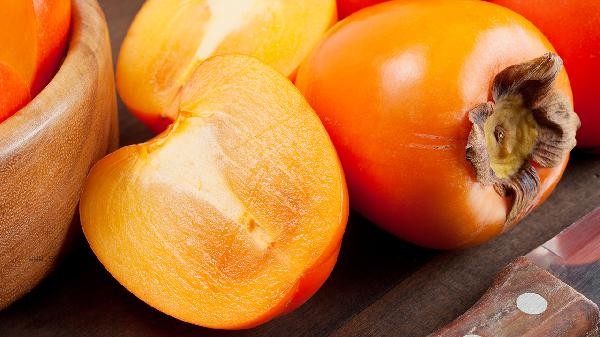
4. Protecting Vision
Mature persimmon flesh contains a large amount of carotenoids and retinol, which can be converted into retinol in the human body and are important raw materials for the formation of retinal photosensitive substances. Long term moderate consumption of persimmons can prevent night blindness, alleviate eye dryness and fatigue, maintain the health of the cornea and conjunctiva, and have a certain preventive and improvement effect on vision loss caused by long-term use of electronic products, helping to maintain clear visual function.
5. Enhance immunity
Persimmons contain high concentrations of vitamin C and various antioxidant substances, such as tannic acid and flavonoids, which can effectively eliminate free radicals in the body and reduce oxidative stress damage to cells. By improving the activity and number of white blood cells, persimmons can help the body build a stronger immune defense line, improve its resistance to external viruses and bacteria, reduce the incidence of colds and other infectious diseases, and promote overall health. Although eating persimmons has various benefits for the body, it is important to pay attention to the principle of moderation when consuming them. Avoid eating on an empty stomach or consuming high protein foods such as crabs and milk to prevent gastrointestinal discomfort or the risk of stones. Patients with diabetes should strictly control their intake, because the persimmon has a high sugar content, which may affect the stability of blood sugar. It is recommended to consume persimmons as an extra between meals, choose fully ripe fruits, and rinse your mouth after consumption to protect your teeth. If you have chronic gastritis or weak digestive function, you should arrange your diet reasonably under the guidance of a doctor or nutritionist, combined with moderate exercise and sufficient sleep, to jointly maintain your physical health.



Comments (0)
Leave a Comment
No comments yet
Be the first to share your thoughts!