
Eating pears has the benefits of generating fluids, moistening dryness, clearing heat and phlegm, promoting digestion, supplementing vitamin C and dietary fiber, and assisting in lowering blood pressure.

1. Shengjin Runzao
Pears contain a large amount of water and natural fructose, which can quickly replenish the lost water in the body after consumption, relieve symptoms such as dry mouth and tongue, sore throat caused by dry air or insufficient water. Its nature is cool and sweet, entering the lung and stomach meridians. It also has a good moisturizing effect on dry and itchy skin and dry nasal cavity caused by dry autumn climate, helping to maintain the moist state of respiratory mucosa and reduce discomfort caused by external stimuli.
2. Clearing Heat and Resolving Phlegm
Pear has significant heat clearing effects, especially suitable for people with fever, fluid damage or cough caused by lung heat. When experiencing thermal symptoms such as coughing up yellow phlegm, redness, swelling, and pain in the throat, consuming pears in moderation can help eliminate heat pathogens in the body, dilute viscous phlegm, and make it easier to excrete from the body. Pear can also have a certain soothing effect on dry cough and low phlegm left over from bronchitis or the late stage of a cold, helping to restore the normal function of promoting and reducing lung function.
3. Promoting digestion
Pears are rich in dietary fiber and various organic acids, which can stimulate gastrointestinal peristalsis, increase appetite, and improve bloating and constipation caused by indigestion. Organic acids can also promote gastric juice secretion, help break down protein and fat in food, and reduce gastrointestinal burden. For people whose daily diet is too greasy or delicate, causing difficulty in defecation, eating pears regularly and in moderation can help establish normal bowel habits and maintain a healthy intestinal environment.
4. Supplementing Nutrition
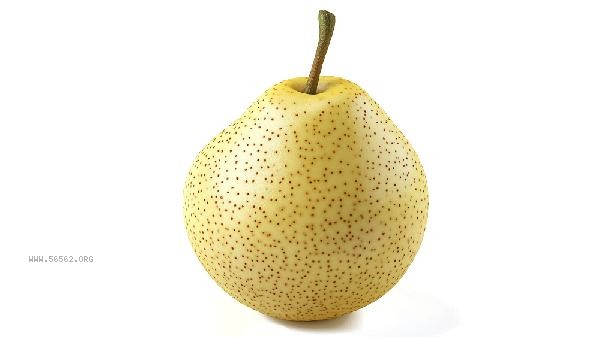
As a fruit with high nutrient density, pears are rich in vitamin C, vitamin K, as well as mineral elements such as potassium and magnesium. Vitamin C is a powerful antioxidant that helps enhance the body's immunity, promote collagen synthesis, and maintain skin elasticity. Potassium helps maintain osmotic pressure balance inside and outside cells, supporting the normal contraction function of the heart and muscles. Moderate intake of pears can provide the body with essential micronutrients and prevent sub-health caused by nutritional imbalance.
5. Auxiliary blood pressure lowering
Pear is a typical high potassium and low sodium food, and this mineral ratio is very beneficial for maintaining vascular health. Adequate potassium intake helps to promote the excretion of excess sodium ions in the body, thus reducing water and sodium retention and assisting in regulating blood pressure. For people with hypertension or cardiovascular risk factors, incorporating pears as part of their daily diet, combined with a low salt diet, can help stabilize blood pressure to a certain extent and reduce the probability of cardiovascular accidents. Although eating pears has many health benefits, it is important to note that pears are cold and have a cold nature. People with spleen and stomach deficiency, easy diarrhea, or abdominal pain should control their consumption and avoid eating them raw. They can choose to consume them after steaming to reduce their cold nature. Diabetes patients should pay attention to the sugar content of pears when selecting them. It is recommended that they eat a moderate amount of pears between meals, and monitor the changes in blood sugar. In daily diet, it is important to maintain food diversity by combining pears with other vegetables and fruits, as well as moderate exercise and sufficient sleep, in order to better utilize the health benefits of food and maintain overall physical health.








Comments (0)
Leave a Comment
No comments yet
Be the first to share your thoughts!