
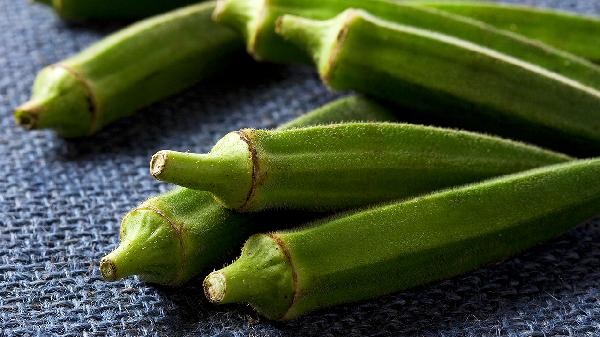
Eating okra can help supplement vitamin C, dietary fiber, and high-quality protein. Its main benefits include enhancing immunity, promoting gastrointestinal motility, assisting in blood sugar control, protecting gastric mucosa, and providing antioxidants.
1. Enhance immunity
Okra contains abundant vitamin C and various minerals, which help maintain normal immune function in the human body. Moderate consumption of okra can help the body resist the invasion of external pathogens and reduce the probability of common diseases such as colds. For people with weak physical constitution or in the recovery period, sufficient intake of vitamin C through diet can support the activity of white blood cells, thereby enhancing overall defense ability, but it should be noted that food cannot replace drug treatment.
2. Stimulating intestinal peristalsis
Okra is rich in water-soluble dietary fiber, which can absorb water and expand in the digestive tract, increasing fecal volume and softening feces. This process helps stimulate the intestinal wall, promote gastrointestinal peristalsis, and improve constipation caused by prolonged sitting or lack of movement. Regular bowel habits can also reduce the retention time of toxins in the intestine, lower the risk of colon diseases, and are suitable for people who need to regulate intestinal function in their daily diet to consume in moderation.
3. Auxiliary blood sugar control
The mucin protein and dietary fiber in okra can slow down the absorption rate of carbohydrates during digestion, avoiding severe fluctuations in postprandial blood sugar. This characteristic makes okra one of the ideal vegetable choices for patients with diabetes or people with high blood sugar. By stabilizing the blood sugar level, it is helpful to reduce the burden of islets of langerhans and prevent the occurrence of complications of diabetes. However, it is still necessary to cooperate with standardized medication treatment and regular blood glucose monitoring when consuming, and not rely solely on food to lower blood sugar.
4. Gastric mucosa protection
The mucus of okra after incision is mainly composed of polysaccharides and proteins, which can form a protective film on the surface of the gastric mucosa after entering the stomach. This membrane can reduce the direct stimulation of gastric acid on the stomach wall and alleviate discomfort caused by improper diet or excessive pressure. For people with a tendency towards chronic gastritis or gastric ulcers, consuming cooked okra in moderation can help alleviate symptoms and promote the repair of damaged mucous membranes, but medical attention should be sought promptly during acute attacks.
5. Antioxidant and anti-aging
Okra contains natural antioxidants such as flavonoids and vitamin E, which can effectively eliminate excess free radicals in the body and slow down the process of cellular oxidative damage. Long term moderate intake of foods rich in antioxidants can help delay skin aging, maintain vascular elasticity, and have a certain positive effect on preventing cardiovascular diseases. Incorporating okra into the daily dietary structure is a simple and healthy way to obtain natural sources of antioxidants, suitable for consumption by people of all ages.
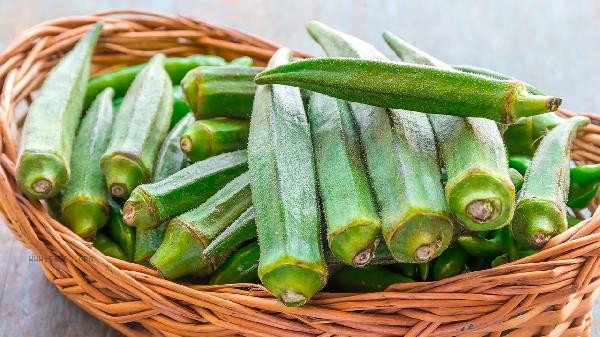
For daily consumption of okra, it is recommended to use methods such as stir frying, cold mixing, or boiling soup to preserve its nutritional content and unique taste, and avoid high-temperature frying that can damage its nutritional structure. Thoroughly clean the surface fuzz before consumption, and those with allergies should observe their reaction with small amounts of food when trying it for the first time. At the same time, it is important to maintain a diversified diet, balance intake with other vegetables and fruits, and engage in moderate exercise such as walking or jogging to promote metabolism. If you have serious gastrointestinal diseases or are taking specific medications, please adjust your diet plan under the guidance of a professional physician. Do not stop taking medication or consume excessive amounts of a single ingredient instead of regular treatment.



Comments (0)
Leave a Comment
No comments yet
Be the first to share your thoughts!