
The benefits of eating mulberries mainly include supplementing vitamin C, providing dietary fiber, consuming anthocyanins, assisting in improving anemia, and promoting gastrointestinal motility.
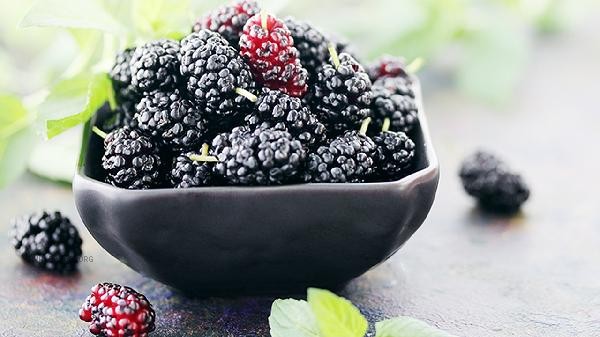
1. Supplementing Vitamin C
Mulberry contains abundant vitamin C, which helps maintain normal immune function in the human body. Moderate consumption of mulberries can help the body resist the invasion of external pathogens and have a certain auxiliary effect on preventing common diseases such as colds. Vitamin C also participates in the synthesis of collagen in the body, helping to maintain skin elasticity and delay the aging process of the skin. Increasing the intake of mulberries in daily diet is one of the effective ways to obtain natural vitamin C, especially suitable for people who need to enhance their resistance.
2. Provide Fiber
Mulberry is rich in dietary fiber, which is an important substance for maintaining digestive health. Dietary fiber can increase fecal volume, promote intestinal peristalsis, and help alleviate constipation problems. For people who have difficulty defecating due to prolonged sitting and insufficient exercise, eating mulberries in moderation can help improve bowel habits. In addition, dietary fiber can also regulate the balance of gut microbiota to a certain extent, provide a growth environment for beneficial bacteria, and maintain the stable operation of the entire digestive system, reducing the probability of gastrointestinal discomfort.
3. Intake of Pigments
Mulberry appears dark purple or black, mainly due to the large amount of anthocyanins it contains. Anthocyanins are powerful antioxidants that can eliminate excess free radicals in the body and reduce cellular damage caused by oxidative stress reactions. Long term moderate intake of anthocyanins can help protect vascular endothelial cells, maintain vascular elasticity, and have a positive impact on cardiovascular health. At the same time, anthocyanins also have an improving effect on microcirculation in the eyes, helping to alleviate visual fatigue caused by excessive eye use, and are suitable for people who face electronic screens for a long time to consume.

4. Improving Anemia
Mulberry contains a certain amount of iron element and vitamin C that promotes iron absorption. The synergistic effect of the two helps to assist in improving iron deficiency anemia. For people with pale complexion and prone to dizziness and fatigue, moderate consumption of mulberries can be a part of dietary regulation. Although the absorption rate of plant-based iron is not as good as that of animal based iron, the presence of vitamin C can improve its utilization rate. Adhering to moderate consumption and balanced diet can help improve hemoglobin levels and alleviate physical discomfort caused by anemia.
5. Promote peristalsis
Eating mulberries can stimulate gastric juice secretion and enhance gastrointestinal peristalsis function. The organic acid components it contains can stimulate appetite and strengthen the spleen, enhance appetite, and are particularly suitable for people with loss of appetite or indigestion. By promoting the digestion and absorption of food in the gastrointestinal tract, mulberries can help reduce the occurrence of bloating, indigestion, and other conditions. For those who need nutritional support during the postoperative recovery period or those who are physically weak after illness but are concerned about digestive burden, eating mulberries in moderation can not only supplement nutrition, but also help the digestive system work better and accelerate the process of physical recovery. Although consuming mulberries is good, it is important to pay attention to moderation and avoid excessive consumption at once, which can cause gastrointestinal discomfort. Mulberry has a cold nature, and those with spleen and stomach deficiency should consume it with caution to avoid diarrhea or abdominal pain. It is recommended to clean the mulberries and eat them directly, or pair them with yogurt, oats, etc. to make a healthy breakfast to increase taste and nutritional diversity. Daily diet should be diversified, mulberries are only used as auxiliary ingredients and cannot replace regular medication treatment. If there are patients with chronic diseases, it is best to consult a professional doctor's opinion before adjusting the diet structure to ensure that the diet plan is safe and effective, while combining moderate exercise and regular sleep to jointly maintain physical health.






Comments (0)
Leave a Comment
No comments yet
Be the first to share your thoughts!