
Raw peanuts have the effects and functions of supplementing nutrition, moistening the intestines and promoting bowel movements, assisting in controlling blood sugar, protecting the cardiovascular system, and enhancing satiety.
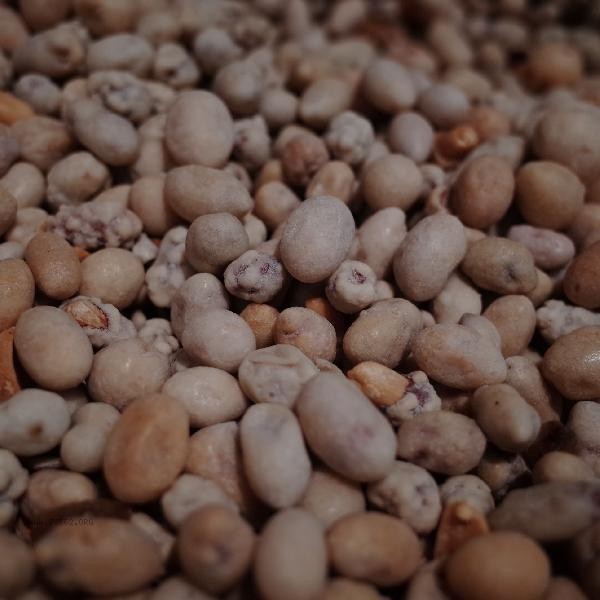
1. Supplementing nutrition
Raw peanuts retain their complete nutritional components and are not subjected to high-temperature frying or baking, avoiding the loss of some thermosensitive vitamins. It is rich in high-quality protein, various amino acids, and trace elements such as vitamin E and vitamin B family. Moderate consumption can help provide the body with the energy and raw materials needed for daily metabolism. For people with weak constitutions or those who need to increase nutrient intake, eating raw food is an ideal way of intake, which can help maintain normal physiological functions of the body.
2. Moisturizing the intestines and promoting bowel movements
Raw peanuts contain abundant oil and dietary fiber, which can lubricate the intestines, soften feces, and promote intestinal peristalsis after entering the digestive tract. For people with mild constipation caused by a refined diet or insufficient water intake, chewing a few peanuts on an empty stomach in the morning can help improve difficulty in defecation. This natural lubricating effect is relatively mild and suitable for people who want to alleviate intestinal discomfort through dietary adjustments.
3. Assisted glycemic control
Raw peanuts have a relatively low glycemic index and contain more unsaturated fatty acids and dietary fiber, which help to slow down the rate of postprandial blood sugar rise. For people with high blood sugar or pre diabetes, replacing some refined carbohydrate snacks with a small amount of raw peanuts can help stabilize blood sugar fluctuations to a certain extent. However, it should be noted that this only serves as an auxiliary function and cannot replace regular hypoglycemic medication treatment. The total amount should still be strictly controlled when consumed.
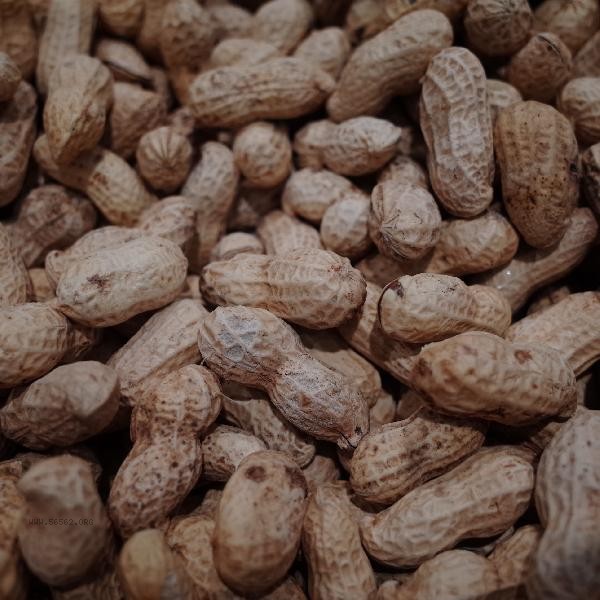
4. Cardiovascular protection
The unsaturated fatty acids contained in peanuts, especially oleic acid and linoleic acid, have a positive effect on regulating blood lipids. These ingredients help to reduce the level of low-density lipoprotein cholesterol in the blood, reduce the risk of lipid deposition in the vascular wall, so as to maintain vascular elasticity and prevent atherosclerosis to a certain extent. Long term moderate intake of raw peanuts, combined with healthy eating habits, can be one of the dietary strategies for cardiovascular health management.
5. Enhance satiety
Fresh peanuts have a tight texture, require longer chewing time, are rich in protein and fat, and have a relatively slow digestion speed. After consumption, it can stay in the stomach for a long time, producing a lasting sense of fullness, effectively suppressing appetite, and reducing the intake of subsequent meals or other high calorie snacks. For people who need to control their weight, consuming a few peanuts in moderation between meals can help avoid overeating caused by excessive hunger and assist in weight management. Although eating peanuts raw has many benefits, it is important to pay attention to moderation when consuming them. It is recommended to limit the number of peanuts to less than ten per day. Overconsumption may lead to indigestion or excessive calorie intake. If the peanut skin turns red or moldy, it must not be consumed to avoid ingestion of aflatoxins that can damage liver health. Eating too much raw food for those with weak gastrointestinal function can easily cause bloating and diarrhea. It is recommended to chew slowly or switch to cooked food. In daily life, one should maintain a diversified diet, mix fresh vegetables and fruits, and adhere to moderate exercise. If there are chronic underlying diseases, a personalized diet plan should be developed under the guidance of a professional physician. If there is any discomfort, seek medical examination in a timely manner.



Comments (0)
Leave a Comment
No comments yet
Be the first to share your thoughts!