
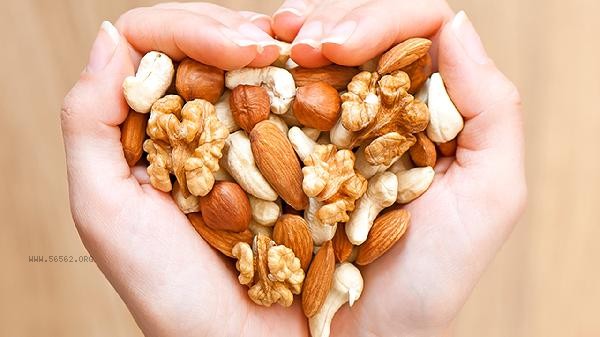
Long term moderate consumption of walnuts can help supplement nutrition and improve cardiovascular health, but excessive consumption may lead to excessive calories or indigestion. Walnut is rich in unsaturated fatty acids such as linoleic acid and linolenic acid, as well as phospholipids, which are important substances for brain cell metabolism. Long term moderate intake helps maintain normal nervous system function, improve memory and cognitive abilities, and has a good auxiliary conditioning effect on people who overuse their brains. It can help alleviate mental fatigue and enhance thinking agility.
2. Heart Protection
Walnuts are rich in arginine and unsaturated fatty acids, which help regulate blood lipid levels and reduce the content of low-density lipoprotein cholesterol. Long term consumption can help soften blood vessels, reduce the incidence of atherosclerosis, thus playing a positive protective role in preventing coronary heart disease, hypertension and other cardiovascular diseases, and maintaining the stability of heart pumping function.
3. Moisturizing the intestines and promoting bowel movements
Walnut kernels contain a high amount of oil and dietary fiber, which can lubricate the intestines and promote gastrointestinal peristalsis. For constipation symptoms caused by insufficient body fluids or dry intestines, long-term and moderate consumption of walnuts can have a mild relief effect, help eliminate accumulated metabolic waste in the body, improve difficulty in defecation, and maintain digestive tract patency.
4. Excess calories
Walnuts are high-energy foods with high fat content. If consumed in large quantities for a long time without controlling total calorie intake, it can easily lead to energy being converted into fat accumulation in the body, causing weight gain or even obesity. Especially for people with low metabolic rates or lack of exercise, excessive consumption of walnuts can increase physical burden and affect body shape management.

5. Digestive discomfort
Due to the hard texture and rich oil content of walnuts, excessive consumption at once or long-term overconsumption may exceed the digestive capacity of the gastrointestinal tract. This can easily cause digestive symptoms such as bloating, abdominal pain, nausea, or diarrhea, especially for people with weak gastrointestinal function, chronic gastritis, or gallbladder disease, who need to carefully control their intake.
It is recommended to pair walnuts with snacks in moderation in daily diet, with a daily consumption limit of a few, to avoid replacing meals or consuming large quantities continuously. At the same time, it is important to maintain a balanced diet, consume more vegetables, fruits, and high-quality protein, and engage in moderate physical exercise to maintain a healthy weight. If there is persistent gastrointestinal discomfort or allergic reaction, it is necessary to stop consumption in a timely manner and consult a professional doctor's opinion. Do not blindly supplement or rely on a single food to treat the disease.








Comments (0)
Leave a Comment
No comments yet
Be the first to share your thoughts!