
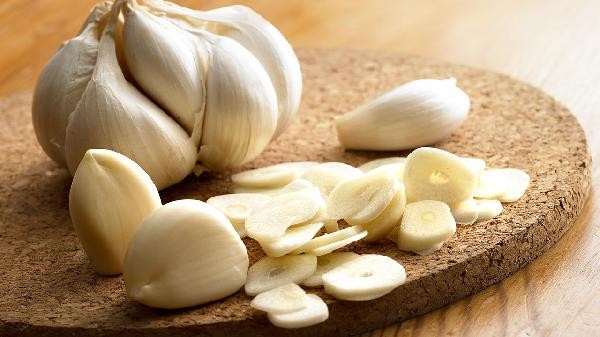
Eating raw garlic can help with antibacterial and anti-inflammatory effects, enhance immunity, but excessive consumption may stimulate the gastrointestinal tract and cause bad breath. The main effects include promoting digestion, assisting in lipid-lowering, improving circulation, causing heartburn, and causing allergies.
1. Promoting digestion
Raw garlic contains active ingredients such as allicin. Moderate consumption can stimulate gastric juice secretion, help with food breakdown and absorption, and have a certain improvement effect on people with loss of appetite or indigestion. This natural irritant helps to improve the efficiency of gastrointestinal peristalsis and alleviate bloating caused by dietary stagnation. However, it is important to note that excessive consumption on an empty stomach is not advisable to avoid overstimulating the gastric mucosa and causing discomfort.
2. Auxiliary lipid-lowering
Research has shown that sulfides in raw garlic can help regulate blood lipid levels and have an auxiliary effect on reducing total cholesterol and low-density lipoprotein, making it suitable as a daily dietary supplement for people with high blood lipids. By inhibiting the synthesis path of cholesterol in the liver, raw garlic can help maintain the elasticity of blood vessels and reduce the probability of atherosclerosis, but it can not replace the regular lipid-lowering drugs. It needs to be carried out together with healthy diet.
3. Improving Circulation
Consuming raw garlic can dilate blood vessels, promote blood circulation, and be beneficial for people with cold hands and feet or poor peripheral circulation. It can help improve the body's ability to keep warm. The antioxidant substances it contains can also scavenge free radicals, delay the aging process of blood vessels, and prevent thrombosis. However, caution should be taken when taking anticoagulant drugs to avoid increasing the risk of bleeding. It is recommended to adjust the intake frequency under the guidance of a doctor.
4. Causes heartburn
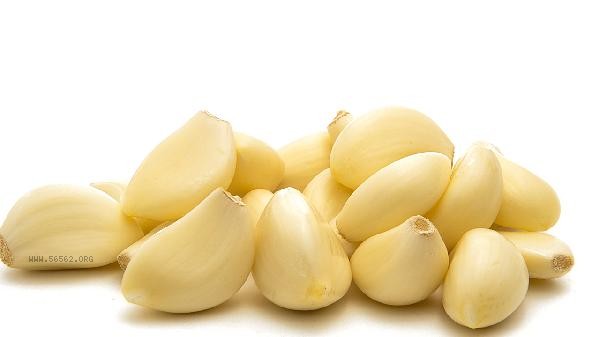
Raw garlic has strong spiciness, and excessive consumption can easily stimulate the esophagus and stomach wall, causing symptoms such as heartburn and acid reflux, especially for people with gastritis, gastric ulcers, or gastroesophageal reflux disease. This stimulation may cause congestion and edema of the gastric mucosa, exacerbating the existing condition, manifested as burning pain behind the sternum or discomfort in the upper abdomen. Such individuals should strictly control their intake or choose cooked garlic as a substitute.
5. Allergy
Some people are sensitive to the protein components in garlic, and may experience allergic reactions such as skin itching, redness, and difficulty breathing after consumption. In severe cases, it may even lead to anaphylactic shock. Individuals with this type of constitution should undergo low-dose testing before coming into contact with raw garlic. Once a rash or respiratory constriction occurs, they should immediately stop consuming and seek medical attention. They should also be alert to the hidden ingestion risks caused by cross contamination in daily cooking.
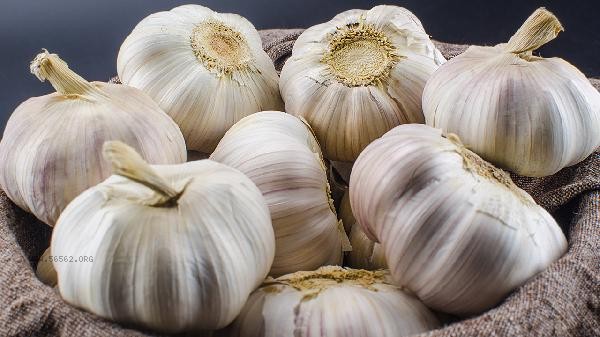
The principle of moderate consumption of raw garlic should be followed in daily life. It is recommended to consume no more than two cloves per day and try to consume them with meals to reduce direct irritation to the gastrointestinal tract. When cooking, vegetables and fruits rich in vitamin C such as broccoli and bell peppers can be paired to balance their spicy characteristics and enhance nutrient absorption. If you have chronic gastrointestinal diseases or are taking specific medications, it is important to consult a professional physician before deciding whether to consume them. Do not blindly follow the trend and pursue health benefits while ignoring individual differences. Maintaining a balanced diet and regular sleep is the fundamental way to maintain health.








Comments (0)
Leave a Comment
No comments yet
Be the first to share your thoughts!