
People who put on a face when unhappy often have problems with emotional management or poor interpersonal communication, which may reflect inner repression or a lack of empathy. People who put on a face when unhappy often transmit negative attitudes through nonverbal signals, which can easily damage interpersonal relationships. Facial expressions and body language are natural expressions of emotions, but excessive reliance on negative expressions to express dissatisfaction can make others feel attacked or ignored. Long term use of facial expressions instead of verbal communication may lead to psychological defenses among those around them, forming a vicious cycle. This type of behavior may hide unmet emotional needs or a lack of healthy emotional expression imitation in the upbringing environment. Some people's facial expressions are a subconscious psychological defense mechanism that alleviates inner anxiety through passive attacks. When language expression is hindered or there is concern about escalating conflicts, facial expressions become an alternative tool. This situation is particularly common in intimate relationships, where the parties may not be aware that their expressions are aggressive. There are also a few cases related to personality traits, such as when individuals with borderline personality tendencies experience intense emotional fluctuations, their facial expressions will uncontrollably reflect their inner state. Abnormal sensitivity of the nervous system may also lead to difficulties in managing microexpressions.
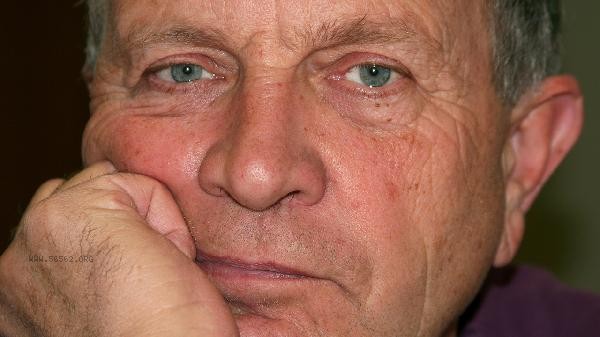
Maintaining a calm attitude and guiding others to express their feelings through language is key when facing people who habitually put on a face. You can try to communicate the psychological pressure caused by facial expressions during non conflict periods, and suggest that the other party improve their emotional awareness by writing emotional records or practicing mindfulness. If this behavior has seriously affected daily life, it is necessary to seek professional help to learn adaptive emotion regulation strategies. In daily interactions, it is important to establish a safe space for expression and avoid overreacting to negative expressions, which can lead to reinforcement.






Comments (0)
Leave a Comment
No comments yet
Be the first to share your thoughts!