
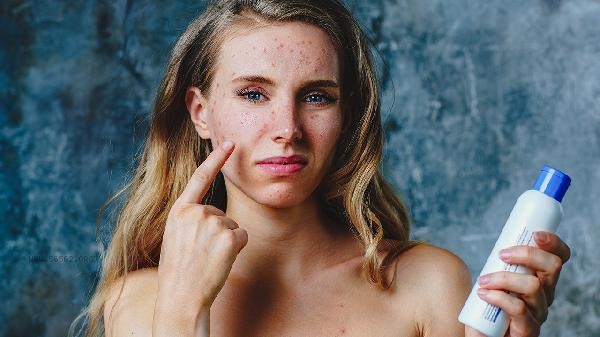
The inexplicable appearance of dents on the face may be related to skin atrophy, scars after trauma, acne scars, scleroderma, or fat atrophy. It is recommended to seek medical attention promptly to clarify the diagnosis, and the doctor should develop a treatment plan based on the specific cause.
1. Skin atrophy
Long term topical use of glucocorticoids or aging may lead to thinning of the dermis layer of the skin, manifested as local depressions. Accompanied by symptoms such as dry skin and telangiectasia. It is necessary to stop using hormone ointment, use recombinant human epidermal growth factor gel as instructed by doctors to promote repair, and strengthen moisturizing and sunscreen daily.
2. Scars after trauma
During the healing process of previous skin wounds, collagen fiber breakage can form concave scars. Commonly seen after chickenpox, surgery, or scratch injuries. In the early stage, follow the doctor's advice to use polysaccharide sulfate cream to improve, and treat old scars with dot matrix laser or microneedle to stimulate collagen regeneration.
3. Acne pitting scars
Severe acne inflammation can damage the tissue around hair follicles, leading to pitting scars such as ice cone and wagon shaped scars. May be accompanied by enlarged pores and pigmentation. Vitamin A yogurt cream can be used to prevent the development of new acne, while existing scars need to be improved through subcutaneous dissection or autologous fat transplantation filling.

4. Localized scleroderma
can lead to fibrosis and atrophy of the skin, forming knife like concave plaques, often accompanied by waxy luster and pigment abnormalities. Methotrexate tablets should be used to suppress immune reactions, combined with snow glycoside cream ointment to improve skin hardening. In severe cases, phototherapy should be performed.
5. Fat atrophy
Local fat layer absorption may be caused by insulin injection, lupus, or idiopathic lipodystrophy. Manifested as a depression between the skin and muscles, with no induration upon palpation. If the primary disease needs treatment and the depression is obvious, hyaluronic acid injection can be considered to improve the appearance.

Avoid squeezing facial skin in daily life, and do a gentle cleaning and moisturizing job. Use sunscreen with SPF30 or above when going out to prevent UV rays from exacerbating skin atrophy. Ensuring the intake of vitamin C and high-quality protein helps with collagen synthesis. If the depression continues to expand or is accompanied by redness, swelling, and pain, one should immediately seek medical attention from a dermatologist to investigate the possibility of systemic diseases.







Comments (0)
Leave a Comment
No comments yet
Be the first to share your thoughts!