
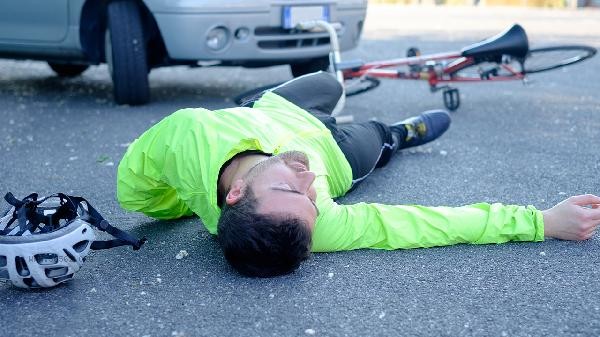
Transient syncope and loss of consciousness are usually caused by a brief lack of blood supply to the brain, which may involve vasovagal syncope, orthostatic hypotension, arrhythmia, hypoglycemia, or cardiogenic syncope. In most cases, it can recover on its own, but if it recurs, potential diseases need to be investigated.

1. Vasovaginal syncope
Emotional stimulation or prolonged standing may trigger vagal hypersensitivity, leading to decreased heart rate and blood pressure. Typical symptoms include blackening of the eyes, sudden loss of consciousness after sweating, and waking up within seconds to minutes after lying flat. Avoiding dehydration and wearing elastic socks can reduce the occurrence of heart attacks. In severe cases, it is necessary to evaluate whether there is abnormal cardiac conduction.
2. Positional hypotension
is caused by delayed blood pressure regulation when quickly getting up, leading to cerebral hypoperfusion, which is common in elderly people or those taking antihypertensive drugs. Before the attack, there is often dizziness and vertigo, and measuring a blood pressure difference of more than 20mmHg in the supine position can confirm the diagnosis. Increasing water and salt intake, and slowing down movements when changing positions can help prevent anemia. Patients with anemia need to correct their hemoglobin levels.
3. Arrhythmia
Ventricular tachycardia or severe bradycardia may lead to a sudden decrease in cardiac output. During an attack, palpitations or chest pain may occur, and abnormal rhythms can be detected through electrocardiogram monitoring. It is necessary to investigate causes such as cardiomyopathy and electrolyte imbalance, and if necessary, install a pacemaker or use antiarrhythmic drugs.
4. Hypoglycemic response
When blood glucose is lower than 3.9mmol/L, brain function will be inhibited after sympathetic nerve excitation. diabetes patients have a higher risk of insulin overdose. Eating sugary foods can alleviate symptoms such as hand tremors and hunger. Standardizing blood glucose monitoring and adjusting glycemic control plans are key, and recurrent episodes require the exclusion of insulinomas.
5. Cardiogenic syncope
is a high-risk type caused by diseases such as aortic valve stenosis or pulmonary embolism leading to a sharp decrease in cardiac output. Often without prodromal symptoms and with slow recovery, may be accompanied by chest pain or difficulty breathing. Echocardiography and D-dimer examination are helpful for diagnosis, and emergency treatment of the underlying disease is necessary to prevent sudden death.

Daily attention should be paid to maintaining a regular schedule and moderate exercise, avoiding prolonged fasting or exposure to sunlight. After an attack, the triggering factors and accompanying symptoms should be recorded. Middle aged and elderly individuals or those with a history of heart disease should undergo comprehensive examinations such as dynamic electrocardiogram and cerebral blood flow chart. Before driving or working at heights, if there are warning symptoms, activities should be stopped immediately to prevent secondary injuries caused by falls.







Comments (0)
Leave a Comment
No comments yet
Be the first to share your thoughts!