
The commonly used formulas in traditional Chinese medicine for treating pleural effusion include Ting Da Zao Xie Fei Tang, Shi Zao Tang, Ling Gui Zhu Gan Tang, Wu Ling San, Zhen Wu Tang, etc. Pleural fluid accumulation belongs to the category of suspended fluids in traditional Chinese medicine, which is often caused by the cessation of water retention in the chest and abdomen. The prescription should be selected based on the nature of phlegm and differences in physical constitution.
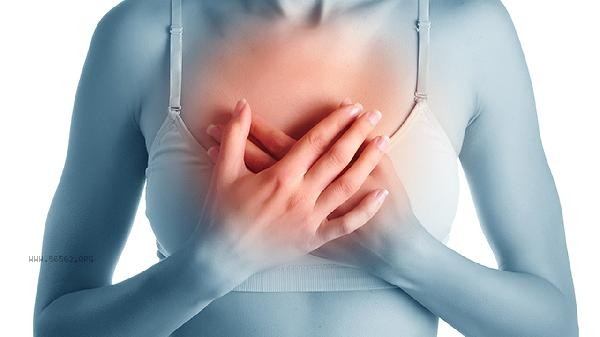
1. Tingli Dazao Xiefei Tang
Tingli Dazao Xiefei Tang is composed of Tingli seeds and jujube, and is mainly used for treating pleural effusion of phlegm heat obstructing the lungs. Symptoms include coughing and shortness of breath, chest and rib distension, yellow and viscous phlegm, red tongue with yellow and greasy coating. In the formula, there are two types of fruits: one is used to clear the lungs, relieve asthma, and promote diuresis, while the other is used to strengthen the spleen and harmonize the middle. Modern research has shown that this formula can reduce the permeability of thoracic capillaries. It should be used with caution for patients with spleen deficiency and loose stools.
2. Ten Jujube Soup
Ten Jujube Soup contains Gansui, Euphorbia Euphorbia, Daphne, and Jujube, and is suitable for the treatment of water stagnation. Patients often experience chest and rib branch fullness, cough and saliva pain, and difficulty breathing, which belong to the severe condition of "Jin Kui Yao Lue". The three flavors in the formula are used to stimulate water consumption, accompanied by jujube to protect stomach qi. Due to the strong nature of the drug, the dosage must be strictly controlled, and the disease should be stopped immediately. It is contraindicated for those who are weak.
III. Linggui Zhugan Decoction
Linggui Zhugan Decoction is composed of Poria cocos, Cinnamomum cassia, Atractylodes macrocephala, and Licorice, targeting the syndrome of spleen yang deficiency and water retention. The clinical manifestations include chest and rib pain, palpitations, dizziness, poor appetite, and loose stools. In the formula, Poria cocos promotes diuresis and dampness, Cinnamomum cassia warms Yang and transforms Qi, Atractylodes macrocephala strengthens the spleen and dries dampness, and licorice is used to mix various medicines. This formula has a mild medicinal property and is suitable for patients with chronic fluid accumulation and spleen deficiency symptoms.
Si, Wu Ling San
Wu Ling San includes Poria cocos, Poria cocos, Alisma, Atractylodes macrocephala, and Cinnamomum cassia, and is mainly used for the treatment of water drinking syndrome with unfavorable gasification. Symptoms include difficulty urinating, bloating and fullness in the chest, and a lack of thirst and desire to drink. By regulating water metabolism in both directions through warming yang and transforming qi, and promoting diuresis and diuresis, it has auxiliary therapeutic effects on cardiogenic or renal pleural effusion. People with Yin deficiency and Jin deficiency should not take it for a long time.
Fifth, Zhenwu Tang
Zhenwu Tang contains Poria cocos, Paeonia lactiflora, Ginger, Atractylodes macrocephala, and Aconitum, and is suitable for the treatment of spleen kidney yang deficiency type fluid accumulation. Patients often experience limb hypothermia, chills, fatigue, edema, and loose stools. Fuzi in the formula warms the kidneys and helps with yang, Atractylodes macrocephala strengthens the spleen and promotes diuresis, Poria cocos seeps dampness, Ginger disperses cold, Paeonia lactiflora nourishes yin and nourishes the body. Attention should be paid to decocting aconite first, and hypertensive patients should use it with caution.
Traditional Chinese Medicine emphasizes the treatment of pleural effusion based on syndrome differentiation, and the above formulas should be selected under the guidance of a physician according to the syndrome type. During medication, a low salt diet should be maintained to avoid raw, cold, and greasy foods. Moderate breathing training should be conducted to promote fluid absorption. If palpitations, shortness of breath, or fever symptoms occur, immediately discontinue use and seek medical attention. At the same time, it is recommended to regularly review chest imaging to evaluate the efficacy, and if necessary, cooperate with Western medical treatment measures such as puncture and drainage.





Comments (0)
Leave a Comment
No comments yet
Be the first to share your thoughts!