
The symptoms of lumbar disc herniation can be alleviated by traditional Chinese medicine. The common ways include acupuncture and moxibustion, massage, oral and external use of Chinese medicine, etc. When the symptoms are mild, traditional Chinese medicine treatment can achieve good results, while in severe cases, Western medicine surgical intervention should be combined.
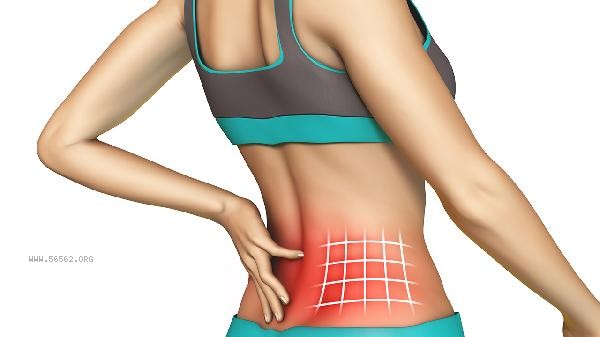
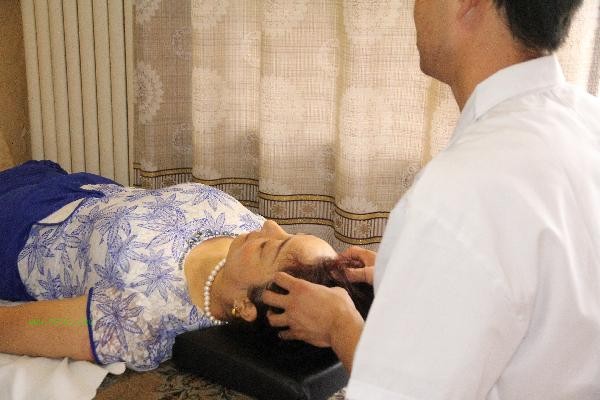
acupuncture and moxibustion can regulate qi and blood by stimulating specific points, and commonly used Shenshu, Dalianshu, Huantiao and other points can alleviate waist pain and lower limb radiation pain. Tuina uses techniques such as rolling and pressing to relieve spasms in the lower back muscles and improve local blood circulation. Traditional Chinese medicine is mainly taken orally with formulas that promote blood circulation and remove blood stasis. For example, Duhuo Parasitic Decoction can dispel wind and dampness, and Shengtong Zhuyu Decoction is good at unblocking meridians and relieving pain. External use of traditional Chinese medicine includes plaster application and fumigation therapy, while dampness relieving and pain relieving ointment can directly act on the painful area. The guiding technique, such as the swaying of the head and tail in the Eight Section Brocade, can enhance the strength of the lumbar muscles and maintain spinal stability. Traditional Chinese medicine therapy has the advantage of overall regulation, but it can only be used as an auxiliary method for patients with severe symptoms.
During traditional Chinese medicine treatment, it is necessary to sleep on a hard bed to reduce intervertebral disc pressure, avoid prolonged sitting and bending over to carry heavy objects. It can be combined with hot salt packs for local hot compress to promote blood circulation, and daily swallow fly style waist and back muscle exercises can be performed. Diet should be warm and nourishing for the liver and kidneys, with moderate consumption of medicinal and edible ingredients such as black beans and Eucommia ulmoides. If lower limb numbness worsens or urinary and fecal dysfunction occurs, self-regulation should be stopped immediately and medical attention should be sought. The traditional Chinese medicine treatment usually lasts for 1-3 months, and after the symptoms improve, it is still necessary to adhere to rehabilitation exercise to prevent recurrence.





Comments (0)
Leave a Comment
No comments yet
Be the first to share your thoughts!