
Purpura nephritis is mainly divided into five types of syndrome differentiation in traditional Chinese medicine: wind heat damaging collaterals syndrome, blood heat reckless behavior syndrome, yin deficiency and fire excess syndrome, qi not absorbing blood syndrome, and spleen kidney yang deficiency syndrome. Purpura nephritis may be related to external factors such as wind heat, blood heat accumulation, yin deficiency and internal heat, qi deficiency and loss of appetite, spleen and kidney yang deficiency, etc. It usually presents with symptoms such as skin purpura, joint swelling and pain, abdominal pain, hematuria, proteinuria, etc.
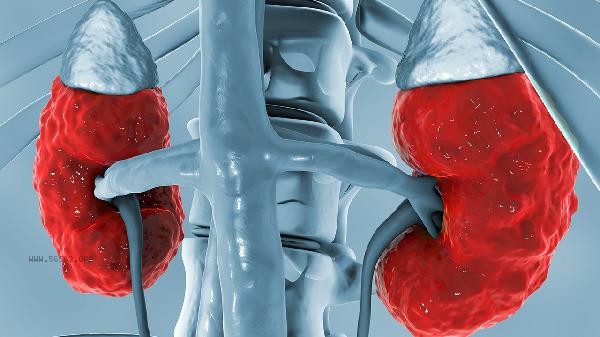
1. Wind heat damage to the collaterals
Wind heat damage to the collaterals is often caused by external wind heat invasion of the muscle surface, leading to damage to the blood vessels. Patients often have skin purpura with a bright red color, accompanied by wind and heat symptoms such as fever, sore throat, and cough. The treatment mainly focuses on dispelling wind and clearing heat, cooling blood and stopping bleeding, and can be modified with Yinqiao powder. Yinqiao Powder is composed of medicinal herbs such as honeysuckle, forsythia suspensa, and mint, and has the effects of dispelling wind, relieving surface heat, clearing heat, and detoxifying. Patients should pay attention to avoiding catching cold from the wind, have a light diet, and avoid spicy and stimulating foods.
II. Blood heat delusional syndrome
Blood heat delusional syndrome is often caused by excessive heat toxicity, which forces blood to act recklessly. The patient's purpura color is deep red or dark purple, and may be accompanied by bleeding symptoms such as nosebleeds and dental bleeding. The treatment mainly focuses on clearing heat and detoxifying, cooling blood and stopping bleeding, and can be modified with Xijiao Dihuang Decoction. Xijiao Dihuang Decoction is composed of ingredients such as buffalo horn, raw rehmannia, and red peony, and has the effects of clearing heat, cooling blood, detoxifying, and stopping bleeding. Patients need to maintain emotional stability, avoid vigorous exercise, and prevent external bleeding.
Thirdly, Yin deficiency and excessive fire syndrome
Yin deficiency and excessive fire syndrome are often caused by long-term illness that damages Yin and internal disturbance of deficiency fire. The patient's purpura is pale red in color, accompanied by symptoms of yin deficiency such as hot flashes, night sweats, and restlessness of the five hearts. The treatment mainly focuses on nourishing yin and reducing fire, cooling blood and stopping bleeding, and can be modified with Zhibai Dihuang Pills. Zhibai Dihuang Pill is composed of medicines such as Zhimu, Huangbai, and Rehmannia glutinosa, and has the effects of nourishing yin, reducing fire, clearing heat, and cooling blood. Patients should avoid staying up late, maintain sufficient sleep, and consume yin nourishing foods such as lilies and Tremella fuciformis appropriately.
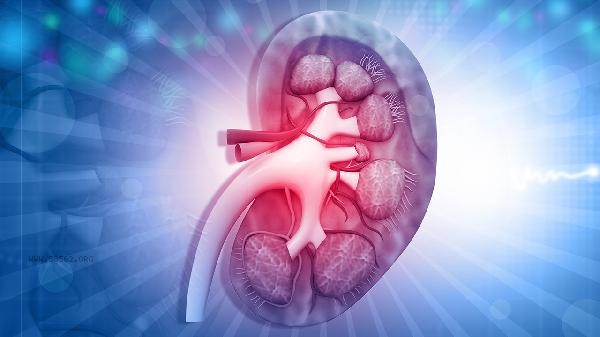
Fourth, Qi not taking blood syndrome
Qi not taking blood syndrome is often caused by long-term illness and Qi deficiency, which hinders the ability to regulate blood flow. The patient's purpura is pale in color, accompanied by symptoms of qi deficiency such as fatigue and pale complexion. The treatment mainly focuses on nourishing qi and blood, and can be modified with Guipi Tang. Guipi Tang is composed of medicines such as Huangqi, Codonopsis pilosula, and Atractylodes macrocephala, and has the effects of strengthening the spleen, nourishing qi, nourishing blood, and stopping bleeding. Patients should pay attention to rest and avoid overexertion. They can consume foods such as yam and red dates to replenish qi appropriately.
Fifth, Spleen and Kidney Yang Deficiency Syndrome
Spleen and kidney Yang Deficiency Syndrome is often caused by long-term illness that harms Yang and spleen and kidney deficiency. The patient's purpura is dull in color, accompanied by symptoms of yang deficiency such as chills, cold limbs, and soreness in the waist and knees. The treatment mainly focuses on warming and tonifying the spleen and kidneys, and can be modified with Yougui Pill. Yougui Pill is composed of prepared rehmannia root, Chinese yam, cornus officinalis and other medicines. It has the effect of warming and tonifying the kidney yang and filling the marrow. Patients should pay attention to keeping warm and avoid getting cold. They can also consume lamb and walnuts as warm and nutritious foods. Patients with purpura nephritis should pay attention to dietary regulation in their daily lives and choose appropriate foods according to their syndrome type. It is advisable to consume heat clearing foods such as mung beans and winter melon for wind heat damage to the meridians; It is advisable to consume cold blood foods such as lotus root and white grass roots for the syndrome of blood heat and reckless behavior; Yin deficiency and excessive fire syndrome should be treated with nourishing Yin foods such as Tremella fuciformis and Lily; It is recommended to eat foods such as red dates and yams to replenish qi for the syndrome of Qi not absorbing blood; For spleen kidney yang deficiency syndrome, it is advisable to eat lamb and chives as warm and nourishing foods. At the same time, it is necessary to avoid vigorous exercise, prevent trauma, maintain skin cleanliness, regularly check urine routine and kidney function, and receive standardized treatment under the guidance of a doctor.





Comments (0)
Leave a Comment
No comments yet
Be the first to share your thoughts!