
Tomatoes have no absolutely inedible food, and the online rumor of mutual restraint lacks scientific basis. Daily pairing should mainly pay attention to immature fruits, excessive consumption on an empty stomach, specific medications, and special physical conditions.

1. Immature Fruits
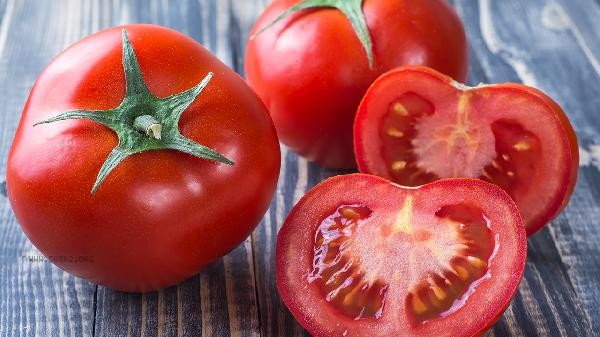
Consuming immature green tomatoes may cause discomfort. Green tomatoes contain a high concentration of solanine, a type of alkaloid toxin that can cause toxic symptoms such as nausea, vomiting, and abdominal pain if consumed in excess. There are risks associated with consuming large quantities of green tomatoes alone, whether or not they are eaten with other foods. It is recommended to choose ripe tomatoes with a reddish color and moderate texture, and avoid purchasing fruits with green skin or hard texture. Before cooking, it is necessary to confirm that the fruits are fully ripe to eliminate the health hazards caused by natural toxins.
2. Overeating on an empty stomach
Eating a large amount of tomatoes raw on an empty stomach can easily cause gastrointestinal discomfort. Tomatoes contain a high amount of pectin and tannic acid, which can easily form insoluble lumps under the action of stomach acid, leading to bloating, stomach pain, or indigestion. If mixed with other high fiber or high protein foods at this time, it may increase the burden on the gastrointestinal tract. It is recommended to avoid eating large amounts of tomatoes raw when extremely hungry. It is best to consume them after meals or after cooking to reduce irritation to the gastrointestinal mucosa and maintain normal digestive function.
3. Anticoagulants
Patients taking anticoagulants should control their tomato intake. Tomatoes are rich in vitamin K, a nutrient that promotes blood clotting and may counteract the efficacy of anticoagulants such as warfarin, leading to fluctuations in efficacy and an increased risk of thrombosis. Although tomatoes in a normal diet are usually safe, sudden excessive consumption or long-term overconsumption may interfere with treatment. This group of people should maintain a stable dietary structure, regularly monitor coagulation indicators, and adjust the source of vitamin K in their diet under the guidance of a doctor.
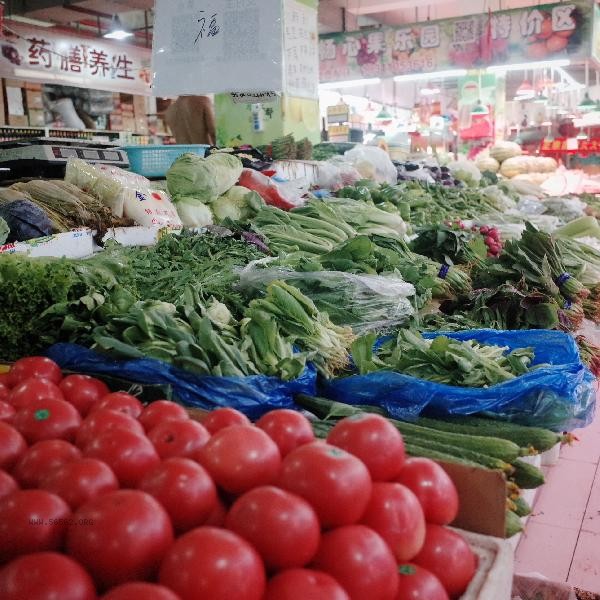
4. People with severe renal dysfunction should consume tomatoes with caution. Tomatoes are vegetables and fruits with high potassium content. For patients with impaired kidney potassium excretion function, excessive intake may lead to hyperkalemia, causing arrhythmia and even cardiac arrest. These patients need to strictly limit their total potassium intake in their diet, not only limited to tomatoes, but also including high potassium foods such as bananas and oranges. It is recommended to develop personalized recipes under the guidance of clinical nutritionists, and determine whether they can be consumed and the specific amount to be consumed based on the severity of the condition.
5. Allergic constitution
Some people with allergic constitution may have adverse reactions to tomatoes. Some proteins or histamine releasing substances contained in tomatoes may induce skin itching, redness, urticaria, or respiratory symptoms. If an individual is allergic to plants in the Solanaceae family or consumes them with certain allergenic foods, it may exacerbate the allergic reaction. This group of people should try a small amount of food and observe their physical reactions before trying a new combination. Once symptoms such as rash and difficulty breathing occur, they should immediately stop eating and seek medical attention to avoid co ingestion with other known allergens.
When consuming tomatoes in daily life, it is important to choose mature fruits and avoid eating them raw on an empty stomach. When cooking, eggs, beef, and other ingredients can be paired according to taste to enhance nutrient absorption. Maintain a diverse diet, avoid believing in rumors of food conflict, and pay attention to your own physical feedback. If you have chronic underlying diseases or are taking medication, you should consult a professional physician or nutritionist for personalized guidance to ensure a safe and healthy diet balance. If you experience persistent discomfort symptoms, go to the hospital in a timely manner to investigate the cause.








Comments (0)
Leave a Comment
No comments yet
Be the first to share your thoughts!