
I heard that running can shed fat, but why do some people lose weight like lightning while others seem to be wearing an invisible down jacket? Fat is also a combination of internal and external factors. Subcutaneous fat feels soft when pinched, while visceral fat hides in the stomach and causes trouble. Today, let's use a magnifying glass to see which of these two types of fat is more afraid of running?
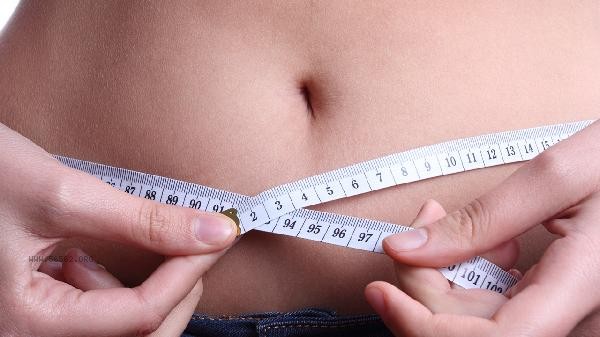
1. Difference between subcutaneous fat and visceral fat
1. Different residential addresses
Subcutaneous fat is like living in a suburban villa, distributed under the skin, and the "swimming circle" felt when pinching the arm or waist is it. Visceral fat is a staple in the city center, directly stationed around organs such as the liver and intestines.
2. Obvious personality differences
Subcutaneous fat is slow and quietly accumulates on the body surface; However, visceral fat is an active molecule that secretes inflammatory factors to interfere with metabolism, making it a hidden "invisible destructive king" in the body.
2. Who surrenders first while running
1. Visceral fat is more sensitive
Studies have found that under the same intensity of exercise, visceral fat decreases 15% -20% faster than subcutaneous fat. When running, the body will prioritize the use of visceral fat for energy supply, as it is closer to the liver, the metabolic center.
2. Subcutaneous fat has "procrastination"
Subcutaneous fat in the thighs and buttocks contains more alpha receptors, which act as "locks" for fat cells and delay fat breakdown. That's why many people experience a decrease in waist circumference after running, but their thighs remain stubborn.
III. Key to Breaking through the Platform Period
1. Variable speed running provides greater stimulation
When encountering bottlenecks while running at a constant speed, try alternating between fast and slow interval running. Sudden acceleration can make the body mistake it for an "emergency situation," thereby mobilizing more fat reserves, which is particularly effective for stubborn subcutaneous fat.
2. Combined with strength training
Muscles are natural "fat burning boilers", and movements such as squats and lunges can activate lower limb muscle groups. For every 1 kilogram of muscle gain, consuming about 110 calories more per day is equivalent to eating half a bowl of rice without gaining weight.
4. Invisible effects are more precious
1. Surprise of visceral fat reduction
Even if there is little change in weight, a 2cm reduction in waist circumference means a decrease in visceral fat. This will directly improve insulin sensitivity, reduce the risk of diabetes, and the arrows on the physical examination report will become less quietly.
2. Body composition is more important than weight
People of the same weight with a 5% lower body fat percentage may appear to have a size difference. Regularly monitoring muscle and fat ratios with a body fat scale is more meaningful than relying solely on body weight numbers. The Fat War is a protracted battle, don't be kidnapped by the numbers on your weight scale. When running becomes a habit, you will find that your clothes are becoming looser and you no longer pant when climbing stairs. These changes are more worthy of celebration than losing your balance. Remember when tying your shoelaces tomorrow: every step is moving visceral fat, every drop of sweat is melting subcutaneous fat, time will give you the best answer.








Comments (0)
Leave a Comment
No comments yet
Be the first to share your thoughts!