
People who throw tantrums when unhappy usually have insufficient emotional management skills or interpersonal communication patterns, which may be related to personality traits, psychological defense mechanisms, stress coping styles, and other factors. This type of behavior can easily damage interpersonal relationships and needs to be improved through self-awareness and targeted adjustments.
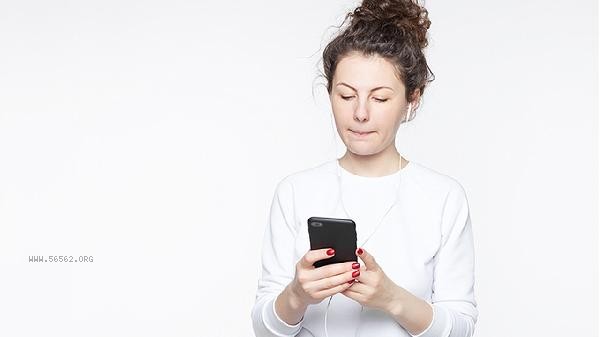
1. Influence of personality traits
Some people are naturally highly sensitive to emotions, have significant neurotic personality traits, and are prone to externalizing negative emotions. This type of person often has a tendency towards low self-esteem and gains attention through exaggerated facial expressions, which is an unconscious way of expressing emotions. A family environment lacking emotional expression demonstrations during the growth process will reinforce this behavior pattern.
2. Psychological defense mechanism
Face slapping behavior is essentially a manifestation of primitive defense mechanism, using passive attack to transfer inner discomfort. When there is a gap between reality and expectations, some people may regress to the coping style of childhood and transmit dissatisfaction through nonverbal signals. This type of defense is common among individuals who lack effective communication skills.
3. Accumulation and explosion of stress
Long term stress overload can lead to a decrease in emotional control and a weakening of micro expression management ability. When the function of the prefrontal cortex of the brain is temporarily inhibited, individuals find it more difficult to control facial muscle groups, resulting in subconscious micro expressions such as frowning and drooping corners of the mouth, leading to the phenomenon of shaking faces in the eyes of others.
4. Interpersonal Control Techniques
In some cases, this is a learned interpersonal manipulation strategy that forces others to compromise by creating a low-pressure atmosphere. This behavior pattern is mostly formed during childhood, and when negative expressions are found to effectively attract the attention of caregivers, it develops into a fixed interpersonal interaction pattern that continues to be used in adulthood.
5. Cultural Environment Shaping
Some subcultural groups consider frank emotional expression as their true nature, forming implicit encouragement for face slapping behavior. Differences in power and status in the workplace or family can also reinforce this behavior, with those in advantageous positions more likely to exert pressure through nonverbal signals, while disadvantaged parties may use this as implicit resistance. To improve facial shaking behavior, it is necessary to establish an emotional diary to record trigger points, learn immediate adjustment techniques such as abdominal breathing, and if necessary, engage in cognitive-behavioral therapy. Daily practice of maintaining neutral facial expressions, observing the direction of facial muscles in a relaxed state through a mirror. Ten minutes of mindfulness meditation can be performed before important occasions to reduce the stress response intensity of the amygdala. Long term recommendations include cultivating exercise habits to regulate neurotransmitter balance, while strengthening the learning of nonviolent communication skills and using language to replace emotional reactions.








Comments (0)
Leave a Comment
No comments yet
Be the first to share your thoughts!