
Moderate consumption of beef by children can help supplement high-quality protein, iron, and vitamin B12, which has a positive effect on growth and development, prevention of anemia, and enhancement of immunity.
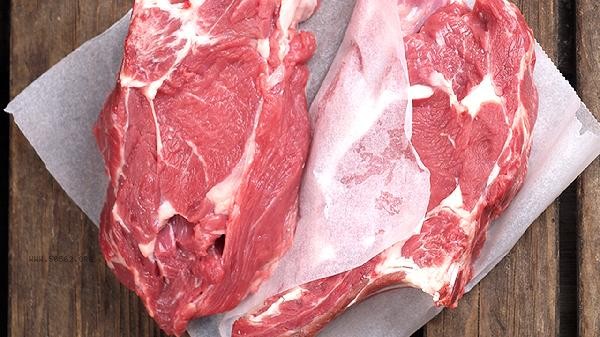
1. Promoting Growth
Beef is rich in high-quality protein, and its amino acid composition is close to what the human body needs, making it easy for children to digest and absorb. Protein is the basic raw material for the construction of children's body tissues and is involved in the development of muscles, bones, and internal organs. Moderate intake of beef can provide sufficient nitrogen source for rapidly growing children, help repair damaged cells, promote height and weight gain, and is one of the ideal dietary sources for children at the peak of growth and development.
2. Preventing Anemia
Beef contains abundant heme iron, which has a much higher bioavailability than non heme iron in plant-based foods. Due to their fast growth rate, children have a high demand for iron, and insufficient intake can easily lead to iron deficiency anemia. Eating beef can effectively increase the level of hemoglobin in the body, improve symptoms such as pale complexion and fatigue caused by iron deficiency, ensure the oxygen carrying capacity of the blood, and thus support the normal metabolic activity of the brain and tissues throughout the body.
3. Enhancing immunity
Beef is a good source of zinc, which is crucial for maintaining normal immune system function in children. Adequate zinc intake helps promote lymphocyte proliferation and enhance the body's ability to resist viral and bacterial invasion. In addition, the vitamins B6 and B12 contained in beef also participate in immune regulation processes, which can help children reduce the incidence of common diseases such as respiratory infections and build a more stable health defense line.
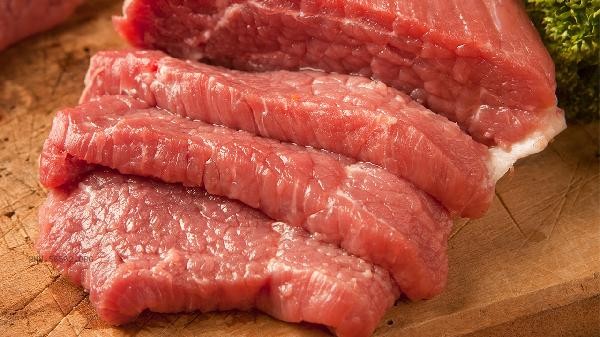
4. Nourishing the nerves
The unique vitamin B12 and carnitine components in beef have significant benefits for the development of children's nervous system. Vitamin B12 is an essential nutrient for the formation of nerve myelin sheaths, and a deficiency may lead to abnormal nerve conduction or delayed development. Carnitine helps with fatty acid metabolism and provides energy support to the brain. Regular and moderate consumption of beef can help improve children's concentration and memory, and support the development of cognitive function. In addition to the core nutrients mentioned above, beef also contains various minerals such as creatine, potassium, and magnesium, which work together to enhance children's muscle strength and endurance. Creatine can enhance explosive power, while potassium and magnesium ions help maintain electrolyte balance and prevent cramps after exercise. For lively and active children with high daily activity levels, consuming beef can quickly restore physical strength, relieve fatigue, and keep the body in a state of abundant vitality.
When preparing beef for children, parents should choose lean meat parts to avoid the digestive burden caused by excessive fat intake. The cooking method should be stewed, steamed or made into Rice-meat dumplings to ensure that the meat is soft and easy to chew and swallow. The daily consumption should be controlled within a reasonable range to avoid overeating or overheating. At the same time, pay attention to pairing with fresh vegetables and fruits, and use vitamin C to promote iron absorption. If a child is allergic to beef or experiences symptoms of indigestion, they should immediately stop consuming it and consult a professional doctor. Their daily diet should be diverse and not rely solely on one ingredient.








Comments (0)
Leave a Comment
No comments yet
Be the first to share your thoughts!