
The fastest and most effective methods for removing moles mainly include surgical resection, laser treatment, cryotherapy, electrocautery, and chemical exfoliation. Moles are usually formed by the aggregation of melanocytes. If symptoms such as short-term enlargement, color change, or accompanied by itching and bleeding occur, it is recommended to seek medical attention promptly.
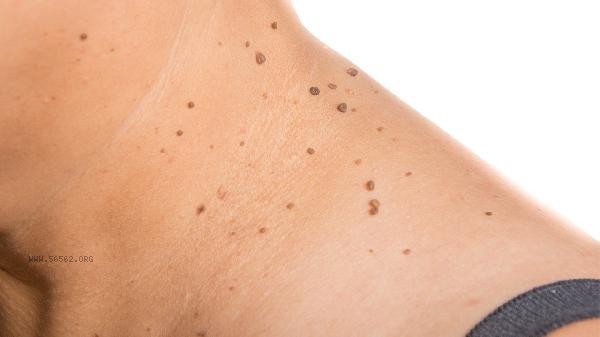
1. Surgical resection
Surgical resection is suitable for moles with a diameter exceeding 3 millimeters or suspected malignant transformation. After local anesthesia, the lesion can be completely removed and sent for pathological examination to clarify its nature. After surgery, the wound should be kept dry to avoid infection. This method can completely remove mole tissue with a low probability of recurrence, but it may leave linear scars.
2. Laser therapy
Laser therapy precisely destroys melanocytes through a specific wavelength beam, suitable for small and superficial pigmented nevi. Carbon dioxide laser or Q-switched laser can stratify and vaporize nevus tissue, with less bleeding during the treatment process and a recovery period of about 7-10 days. Multiple treatments may be required for complete clearance, and temporary pigmentation may occur after surgery.
3. Cryotherapy
Cryotherapy uses liquid nitrogen low temperature to cause necrosis and shedding of mole cells, and is suitable for flat benign moles. Easy to operate and cost-effective, but deep control is difficult and may require repeated treatment. After treatment, blisters may appear locally, and secondary infections should be prevented. There may be superficial scars or hypopigmentation left after healing.
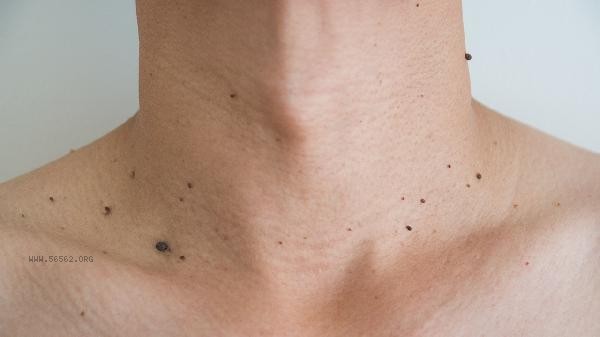
4. Electrocautery
Electrocautery removes mole tissue by high-frequency current cauterization, suitable for small moles protruding from the skin. During operation, a scab may form, and it is important to avoid contact with water during the healing process. After the scab falls off, slight indentations may remain. This method requires high technical skills from the operator, and excessive burning may increase the risk of scarring.
5. Chemical exfoliation
Chemical exfoliation uses corrosive drugs such as trichloroacetic acid to cause necrosis and shedding of mole tissue, and is only suitable for very superficial moles. Professional personnel are required to control the concentration and duration of medication, as improper operation may result in skin burns or abnormal pigmentation. Strict sun protection is required after treatment, and temporary erythema may occur during the healing period.
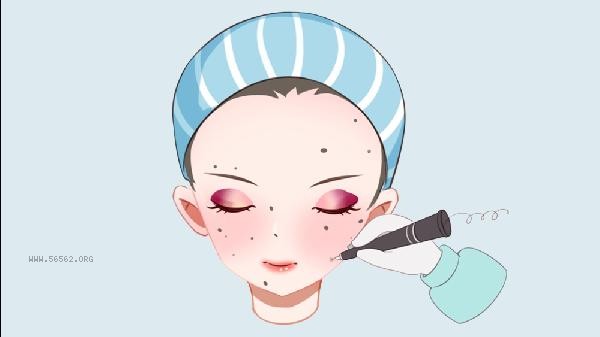
Before choosing a method to remove moles, the nature of the mole should be determined through skin microscopy or pathological examination, and the use of corrosive drugs or tools should be avoided. After surgery, it is necessary to keep the wound clean and dry, avoid direct ultraviolet radiation, and promptly follow up if there are signs of infection such as redness, swelling, and exudation. Pay attention to observing the changes in moles in daily life. If there is asymmetric growth, irregular edges, etc., seek medical attention as soon as possible to investigate the possibility of malignancy.







Comments (0)
Leave a Comment
No comments yet
Be the first to share your thoughts!