
Facial scraping has the effects of promoting blood circulation, relieving muscle tension, improving skin quality, assisting detoxification, and soothing nerves. Facial scraping mainly stimulates meridians and acupoints to help improve the circulation of qi and blood in the face, thereby achieving the effects of beauty, beauty, and health care.
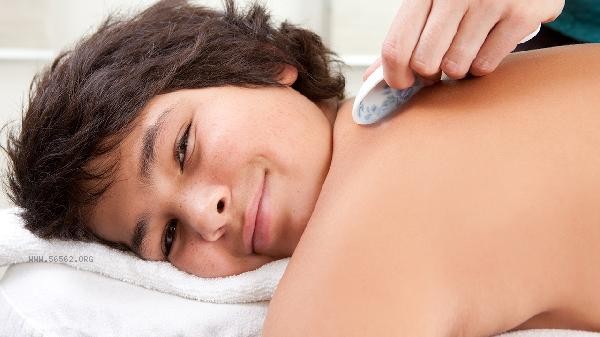
1. Promote blood circulation
Facial scraping can stimulate the surface and superficial muscles of the skin through scraping movements, promoting local blood circulation. Accelerating blood circulation helps to deliver more oxygen and nutrients to skin cells, while also accelerating the elimination of metabolic waste. This effect of improving microcirculation can alleviate facial dullness and make skin more rosy and radiant. Scraping therapy can have a certain improvement effect on yellowing complexion caused by long-term staying up late or insufficient qi and blood.
2. Relieve muscle tension
Facial scraping has a significant effect on relieving the tension of facial muscles such as masseter and zygomatic muscles. Modern people are prone to facial muscle stiffness and fascial adhesions due to high stress, expressive expressions, or prolonged use of electronic devices with their heads down. Mechanical stimulation through scraping can release fascial adhesions, relax excessively contracted muscle fibers, and alleviate dynamic wrinkles such as nasolabial folds and criss cross caused by muscle tension. It also has an auxiliary relieving effect on chewing discomfort caused by temporomandibular joint disorders.
3. Improving skin quality
Regular facial scraping can help improve skin problems such as enlarged pores and sagging skin. The mechanical stimulation generated during scraping can promote the synthesis of collagen and elastic fibers in the dermis layer, enhancing skin elasticity. Simultaneously wiping can gently remove aged keratin, promote keratinocyte renewal, and make the skin more delicate and smooth. For acne scars left by mild acne, guasha can also accelerate the disappearance of pigmentation by promoting local metabolism.
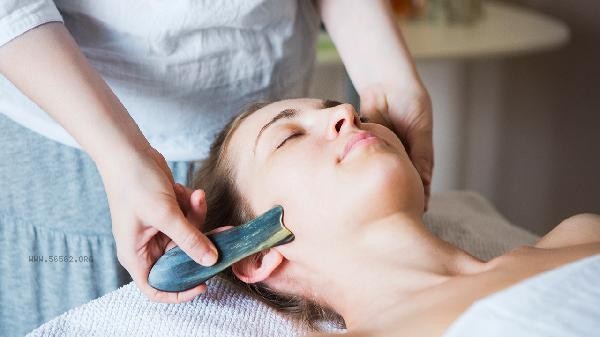
4. Auxiliary Detoxification
According to traditional Chinese medicine theory, facial scraping can unblock meridians and help toxins in the body be eliminated through the skin pathway. The slight bruising or redness of the skin after scraping is considered a reaction to the unblocking of qi and blood in the body. This effect helps alleviate facial swelling, eye bags, and other issues caused by toxin accumulation. Combined with sufficient drinking water and a healthy diet, the detoxification effect can be more pronounced.
5. Soothing the nerves
The face is densely distributed with rich nerve endings, and gentle scraping movements can stimulate these nerve receptors, regulating the function of the autonomic nervous system through nerve reflexes. This kind of stimulation can relieve tension and alleviate symptoms such as headaches and insomnia caused by stress. Especially for scraping acupoints such as the forehead and temples, it has a significant calming effect and is suitable as a daily relaxation method for people with high mental stress.
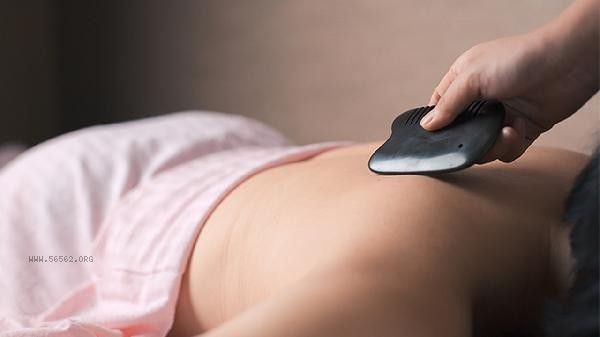
When performing facial scraping, it is important to use professional scraping tools and use medium oil to reduce skin friction. The force should be gentle and even to avoid excessive scraping and skin damage. People with dry or sensitive skin should shorten the scraping time and reduce the frequency. When there is acute inflammation, damage or severe acne on the face, scraping should be avoided. It is recommended to do it 1-2 times a week for 10-15 minutes each time. After scraping, pay attention to hydration and sun protection, and avoid immediate contact with irritating skincare products. Long term adherence to scientific facial scraping, combined with a healthy lifestyle, can effectively improve facial complexion and skin condition.





Comments (0)
Leave a Comment
No comments yet
Be the first to share your thoughts!