
Long term excessive drinking of black soybean milk may cause gastrointestinal discomfort, affect mineral absorption, increase the risk of uric acid, interfere with thyroid function and trigger allergic reactions.

1. Gastrointestinal burden
Black soybean milk contains rich dietary fiber and oligosaccharides. Drinking in an appropriate amount will help to promote intestinal peristalsis, but long-term drinking in large quantities will increase the burden of gastrointestinal digestion. Undigested oligosaccharides ferment under the action of intestinal bacteria, which can easily produce gas and cause digestive symptoms such as bloating, abdominal pain, or diarrhea. For people with weak gastrointestinal function or chronic gastritis, excessive intake can stimulate the gastric mucosa, causing acid reflux or discomfort in the stomach. It is recommended to control daily consumption and avoid drinking in large quantities on an empty stomach to reduce physical and chemical irritation to the digestive system.
2. Obstruct the absorption of
Black beans and bean products naturally contain anti nutritional factors such as phytic acid and oxalic acid. Long term excessive drinking of undercooked black soybean milk will combine with minerals such as calcium, iron, zinc in food to form insoluble complexes. This combination will significantly reduce the absorption rate of the above-mentioned trace elements in the human body, which may increase the risk of iron deficiency anemia or osteoporosis in the long run. Especially for children, pregnant women and the elderly in the growth and development period, there is a large demand for minerals, so it is necessary to pay more attention to diet matching, avoid relying solely on black soybean milk for nutrition supplement, and balance nutrient intake through diversified diets.
3. Increased uric acid
Black beans belong to the food with medium purine content. Although plant purines have less effect on blood uric acid than animal purines, drinking a large amount of concentrated black soybean milk for a long time will still lead to excessive intake of exogenous purines. Purine is metabolized in the body and ultimately produces uric acid. For individuals with uric acid excretion disorders or already suffering from hyperuricemia, excessive intake can increase the metabolic burden on the kidneys, leading to fluctuations or even elevations in blood uric acid levels and triggering acute attacks of gout. Such people should strictly limit the intake frequency and concentration of black soybean milk, drink more water to promote uric acid excretion, and regularly monitor blood uric acid indicators.
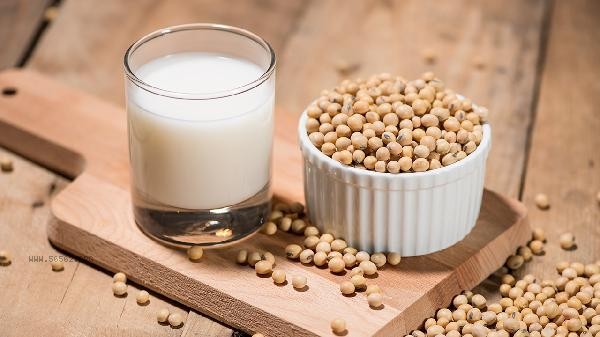
4. Thyroid disturbance
Black beans contain plant estrogens such as soy isoflavones and thyroid enlargement inducing substances. Long term excessive intake may competitively inhibit the activity of thyroid peroxidase, thereby interfering with the synthesis process of thyroid hormones. For people with insufficient iodine intake or hypothyroidism, long-term and large consumption of black soybean milk may aggravate goiter or worsen hypothyroidism symptoms, which may be manifested as fatigue, chills, edema, etc. It is recommended that patients with this condition control their intake of soy products under the guidance of a doctor and ensure sufficient iodine sources in their daily diet to maintain normal and stable thyroid function.
5. Allergy risk
Black beans are one of the common food allergens, and some people have specific immune reactions to legume proteins. Long term continuous drinking of black soybean milk will make the body continuously contact with allergens, which may induce or aggravate allergic symptoms, such as skin erythema, itching, urticaria, or digestive tract allergic reactions such as respiratory spasm, nausea and vomiting. People with a history of bean allergy or allergic constitution should not drink black soybean milk. Even if there is no history of allergies, if there is an unexplained rash or respiratory distress after drinking, it should be immediately stopped and promptly treated for allergen testing to avoid severe anaphylactic shock.
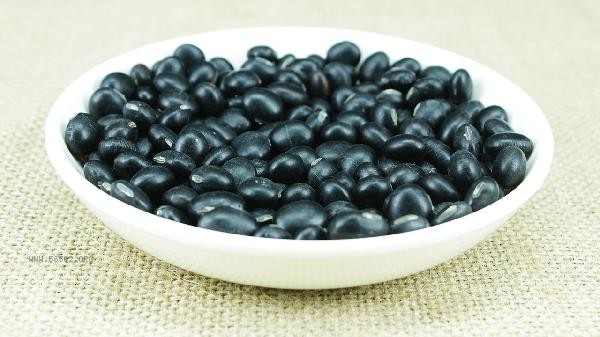
Daily diet should follow the principle of diversification. Although black soybean milk is rich in high-quality protein and anthocyanins, it should be drunk in moderation. It is recommended to drink it three to four times a week, not more than 300 ml each time. It must be boiled before consumption to destroy the anti nutritional factors. At the same time, it is important to avoid consuming foods rich in calcium and iron at different times to reduce interference with nutrient absorption. If you experience persistent gastrointestinal discomfort, joint pain, or skin abnormalities, you should seek medical attention promptly to check for potential illnesses. Do not blindly supplement yourself, and maintaining a balanced dietary structure is the key to maintaining health.








Comments (0)
Leave a Comment
No comments yet
Be the first to share your thoughts!