
The correct methods for weight loss through exercise mainly include controlling exercise intensity, choosing appropriate exercise methods, maintaining exercise frequency, adjusting diet, monitoring body reactions, etc.

1. Control exercise intensity
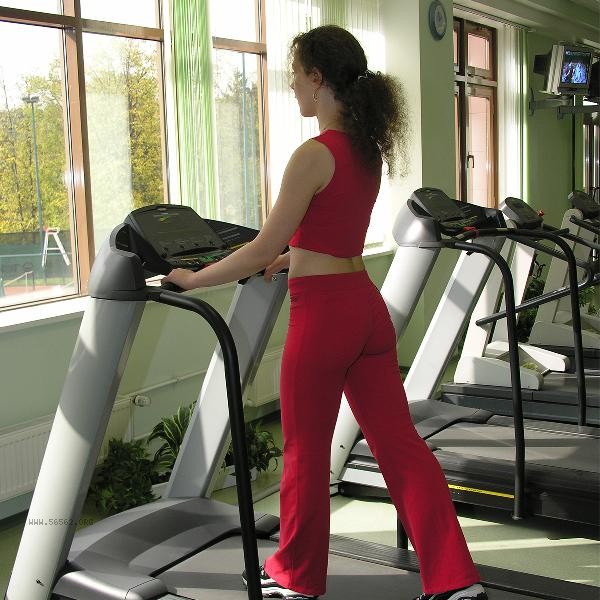
Exercise intensity should be gradually adjusted according to individual physical abilities. In the initial stage, heart rate monitoring can be used to maintain the heart rate during exercise at 60% -70% of the maximum heart rate, in order to avoid muscle damage or cardiovascular burden caused by excessive intensity. Obese individuals are advised to start with low-intensity aerobic exercise, such as brisk walking for 30 minutes three times a week, and gradually increase the duration and speed after adaptation.
2. Choose the appropriate exercise method.
Combining aerobic exercise with resistance training yields better results. Low impact sports such as swimming and cycling are suitable for individuals with limited joint weight-bearing capacity; HIIT interval training is suitable for time sensitive individuals, but it requires assessment of cardiovascular and pulmonary function. People with a large body weight should avoid high impact exercises such as skipping rope and running, and can choose forms of joint protection such as elliptical machines and water walking.
3. Maintain exercise frequency
Exercise 4-5 times a week for 30-60 minutes each time. Research has found that the basal metabolic rate still increases within 48 hours after exercise, so it is recommended to exercise every other day to avoid the metabolic plateau period. Fragmented exercise is equally effective, such as climbing stairs three times a day for 10 minutes, with a cumulative heat consumption equivalent to continuous exercise.
4. Dietary Adjustment
Moderate supplementation of high-quality protein and compound carbohydrates after exercise, such as chicken breast meat paired with brown rice, can help with muscle repair and energy supplementation. Avoid high sugar and high-fat diets to counteract exercise effects, and keep the daily calorie intake below 500 calories. One hour before exercise, easily digestible foods such as bananas can be eaten to provide energy.
5. Monitoring physical reactions
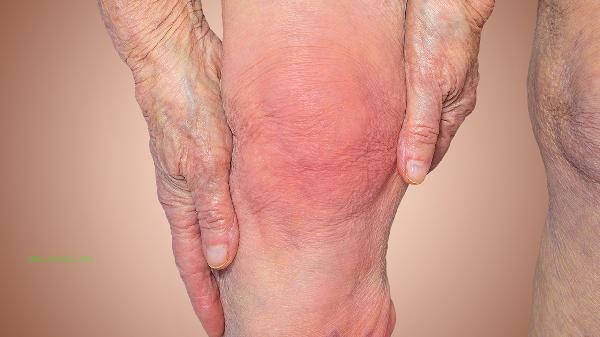
Regularly measuring body fat percentage is more meaningful than simply focusing on weight. If muscle soreness persists for more than 72 hours after exercise, adjust the plan. If joint swelling or dizziness occurs, stop immediately. It is recommended to conduct monthly physical fitness tests and adjust the exercise plan based on progress. During the platform period, you can try changing the type of exercise.

Exercise for weight loss requires establishing long-term habits rather than short-term sprints. It is recommended to set phased goals and record progress. Warm up and stretch thoroughly before and after exercise, and wear professional sports equipment to reduce the risk of injury. Patients with combined chronic diseases should develop a plan under the guidance of a doctor to avoid exercising on an empty stomach or immediately after meals. Maintaining sufficient sleep and water intake can help improve exercise performance, and during weight loss, monitoring changes in body composition can be done in conjunction with a body fat scale.




Comments (0)
Leave a Comment
No comments yet
Be the first to share your thoughts!