
Red wine usually takes 15 minutes to 2 hours to decant, depending on factors such as the weight of the wine, tannin content, and vintage. The main methods of sobering up include opening the bottle and letting it sit, using a decanter, controlling the temperature, observing changes in the liquor, and shaking appropriately.
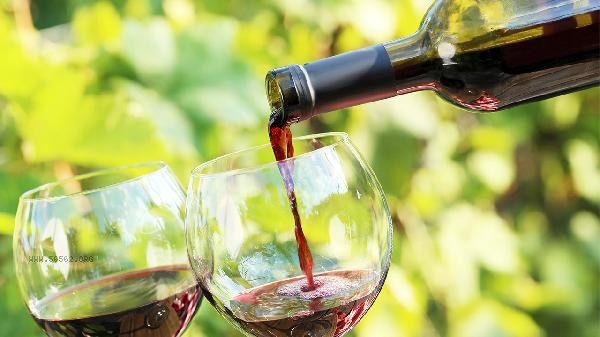
1. Open the bottle and let it sit
Directly letting the red wine sit after opening is the most basic way to sober up, suitable for young red wines with smoother tannins. Alcohol gradually oxidizes upon contact with air, softening tannins and releasing fruity aromas. When standing still, avoid direct sunlight and maintain an ambient temperature of around 18 degrees Celsius for optimal results. If there is sediment in the bottle, it should be left upright for several hours before opening to allow the sediment to settle to the bottom.
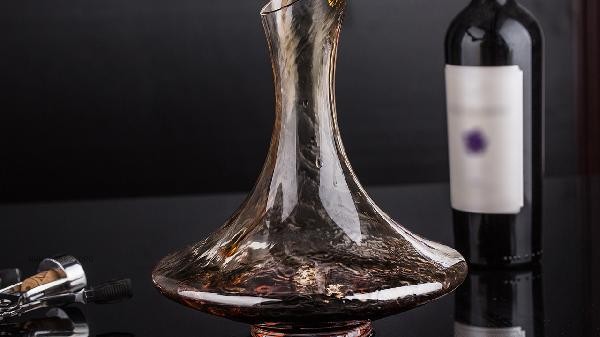
2. Using a wide bottom decanter can expand the contact area between the wine and air, accelerating the oxidation process. Varieties such as aged red wine or strong tannins like Cabernet Sauvignon are suitable for this method. When pouring into the decanter, it is recommended to pour slowly along the inner wall to avoid excessive shaking. Observing the formation of vortices in the decanter of wine helps to quickly release aroma molecules. After use, it is necessary to clean the decanter in a timely manner to avoid residual wine stains that may affect the next use.
3. Control Temperature
If the temperature is too high, it will accelerate the evaporation of alcohol and mask the aroma, while if it is too low, it will inhibit the release of aroma. Full bodied red wine is suitable for decanting at 16-18 degrees Celsius, while light bodied red wine can be slightly cooled by 2-3 degrees Celsius. It can be temporarily cooled in an ice bucket or placed in a constant temperature wine cabinet for adjustment. When sobering up in winter, the sobering time can be appropriately extended, and in summer, attention should be paid to avoiding environmental temperatures exceeding 22 degrees Celsius.
4. Observing changes in the liquor
Judging the degree of sobering up through color and aroma is the core technique. When young red wine changes from purple red to brick red, the tannins gradually soften, and when old wine shows amber halo, it is necessary to stop decanting. Smell every 15 minutes, and the best drinking state is when the pungent alcohol odor dissipates and the fruity and oak aromas are balanced. Excessive sobering up can lead to aroma loss and loose tannin structure.
5. Mix with appropriate shaking
For situations where quick sobering is needed, gently rotate the glass or decanter to promote oxidation. The technique should be kept steady to avoid severe shaking that may damage the body of the wine. When used with a decanter, gently shake and then pour back a small amount of alcohol each time to evenly mix different degrees of oxidation. This method is particularly suitable for Syrah or Nebbiolo wines with heavy tannins.
After sobering up, it is recommended to pair red wine with red meat, cheese, or dark chocolate to better experience the layering of the wine. Unconsumed sobering red wine for daily storage can be vacuum sealed and refrigerated, but the flavor will gradually decline. It is recommended to consume it within 24 hours. The demand for decanting red wine varies greatly among different regions and varieties, and Burgundy Pinot Noir usually requires a shorter time than Bordeaux blend. Please refer to the winemaker's advice on the wine label for specific details. Mastering hangover techniques can fully showcase the complex flavor of red wine, but personal taste preferences are still the final evaluation criteria. It is advisable to try different hangover levels to find the most suitable drinking state.







Comments (0)
Leave a Comment
No comments yet
Be the first to share your thoughts!