
Drinking alcohol during menstruation may lead to increased menstrual flow, prolonged periods, worsening dysmenorrhea, dizziness, fatigue, and gastrointestinal discomfort.
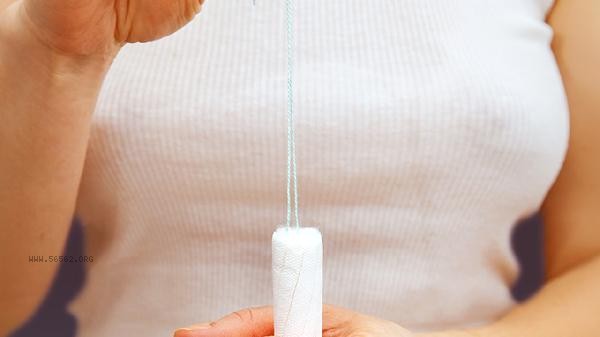
1. Increased menstrual flow
Alcohol has the effect of dilating blood vessels, and drinking it can accelerate blood circulation, leading to increased pelvic congestion. During the process of endometrial shedding and bleeding during menstruation, vasodilation may significantly increase the amount of bleeding and even pose a risk of major bleeding. This situation is more common in women with high menstrual flow. Excessive alcohol consumption can further disrupt the balance between coagulation and bleeding. It is recommended to strictly avoid consuming alcoholic beverages during this stage to maintain normal physiological hemostasis mechanisms.
2. Prolonged menstrual period
Due to the interference of alcohol with the normal metabolism of hormones in the body and the contraction function of uterine smooth muscle, the speed of endometrial repair may be slowed down. Uterine atony leads to poor or incomplete menstrual flow, resulting in significantly prolonged menstrual periods compared to usual. Long term exposure to alcohol may lead to anemia, manifested as pale complexion and mental fatigue. Therefore, it is necessary to maintain a regular sleep schedule to avoid additional burden on the endocrine system caused by alcohol.
3. Increased Dysmenorrhea
Alcohol metabolite acetaldehyde can stimulate the nervous system, reduce the body's tolerance threshold for pain, and cause spasmodic contractions of uterine smooth muscle. For women who originally suffered from primary dysmenorrhea or endometriosis, drinking alcohol can induce more severe lower abdominal colic, accompanied by radiating pain in the lumbar and sacral regions. This type of pain is often difficult to relieve through regular rest, and in severe cases, medication such as ibuprofen sustained-release capsules, diclofenac sodium suppositories, or acetaminophen tablets should be intervened according to medical advice.

4. Dizziness and fatigue
During menstruation, women's bodies are already in a state of blood loss, with relatively lower hemoglobin levels and weakened oxygen carrying capacity. Drinking alcohol at this time can inhibit bone marrow hematopoietic function and dilate cerebral blood vessels, leading to insufficient blood supply to the brain, which can easily cause severe symptoms such as dizziness, blurred vision, unstable standing, and general fatigue. Some people may also experience low blood sugar or low blood pressure reactions such as palpitations and cold sweats, which seriously affect their daily life and work ability. It is necessary to immediately stop drinking alcohol and replenish fluids.
5. Gastrointestinal discomfort
During menstruation, elevated levels of prostaglandins can affect the sensitivity of gastrointestinal motility, leading to symptoms such as nausea and diarrhea. Alcohol directly stimulates the gastric mucosa, which can induce acute gastritis, leading to discomfort such as burning pain, acid reflux, and vomiting in the stomach. If painkillers are taken at the same time, alcohol also increases the risk of damage to the gastrointestinal tract caused by the medication, leading to gastrointestinal bleeding. It is recommended to eat a light diet and more digestible foods such as millet Congee and noodles to protect gastrointestinal mucosa from further damage.

During menstruation, it is important to keep the abdomen warm, avoid contact with cold water and raw foods, and engage in light exercise such as walking to promote the circulation of qi and blood. Daily diet should consume more foods rich in iron and high-quality protein, such as lean meat, spinach, eggs, etc., to help the body recover energy. If there is an abnormal increase in menstrual flow or severe abdominal pain, it is necessary to go to the gynecology department of the hospital in a timely manner for standardized treatment under the guidance of professional doctors. Do not blindly take medication or believe in folk remedies on your own to avoid delaying the condition and affecting reproductive health.






Comments (0)
Leave a Comment
No comments yet
Be the first to share your thoughts!