
Weight loss during adolescence requires a balance between nutritional and developmental needs. It is recommended to control weight through healthy methods such as a balanced diet, scientific exercise, and regular sleep patterns.

1. Reasonable diet
During adolescence, it is necessary to ensure the intake of high-quality protein, vitamins, and minerals, and avoid excessive dieting. Increase the proportion of vegetables, fruits, and whole grains daily, and reduce high sugar and high-fat snacks. For example, replacing fried foods with broccoli and choosing low-fat milk to supplement calcium. Pay attention to the timing and quantity of three meals, avoid overeating or prolonged fasting.
2. Scientific Exercise
Engage in 3-5 aerobic exercises such as jogging and swimming per week, combined with resistance training such as squats and plank support. The appropriate intensity of exercise is slight sweating, increased breathing but not rapid, with a single session lasting 30-60 minutes. Avoid excessive pursuit of high-intensity exercise that may cause joint damage or affect growth and development.
3. Regular sleep schedule
Ensure 7-9 hours of sleep every day and avoid staying up late. Lack of sleep can lead to a decrease in leptin secretion, an increase in ghrelin, and an increased risk of binge eating. It is recommended to set a fixed bedtime, avoid using electronic devices one hour before bedtime, and listen to light music to help sleep appropriately.
4. Psychological regulation
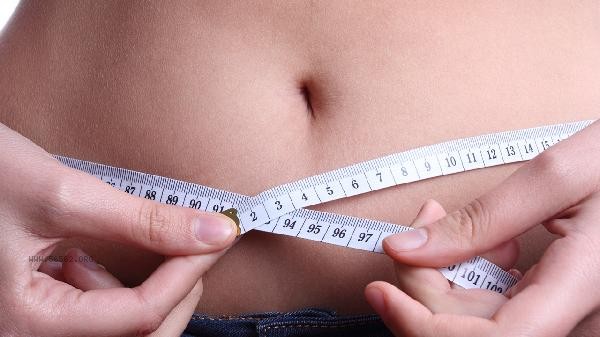
Avoid blindly pursuing rapid weight loss, as low body fat percentage during adolescence may affect hormone secretion. Mindfulness based eating can be used to record hunger and satiety, and establish a positive body image. If emotional eating occurs, it is recommended to seek psychological counseling instead of extreme dieting.
5. Medical monitoring
Regularly measures changes in height and weight, calculates BMI values to assess developmental status. If there is rapid weight gain or menstrual disorders, seek medical attention promptly to investigate pathological factors such as polycystic ovary syndrome, and avoid taking weight loss drugs on your own. During puberty weight loss, it is recommended to drink 1200-1500 milliliters of water per day and avoid sugary drinks. Parents can assist in developing nutritious recipes and choose low oil cooking methods such as steaming and cold mixing. If you need to adjust your diet or exercise plan, it is recommended to consult a clinical nutritionist or pediatrician to assess your developmental status first. Do not blindly follow extreme weight loss methods on the internet.



Comments (0)
Leave a Comment
No comments yet
Be the first to share your thoughts!