
Eating broccoli can help supplement vitamin C and dietary fiber, enhance immunity, promote gastrointestinal peristalsis, and assist in antioxidant effects. Its main functions include maintaining vascular health, supporting bone development, improving skin condition, assisting in weight control, and reducing inflammatory reactions.
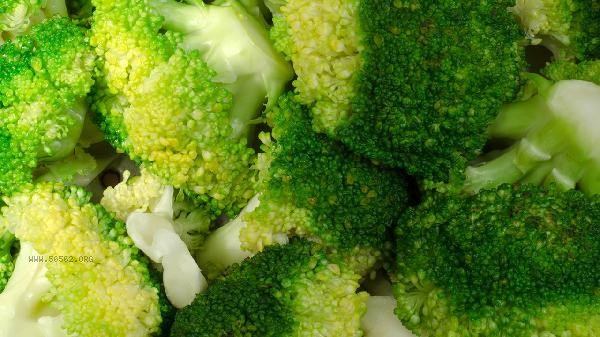
1. Enhance immunity
broccoli contains abundant vitamin C, a nutrient that helps promote white blood cell production, thereby helping the body resist virus and bacterial invasion. Appropriate consumption of broccoli can maintain the normal function of the immune system and reduce the incidence of common infectious diseases such as colds. For people with weaker physical constitution, adding broccoli to their daily diet can help improve overall defense ability, but it is important to note that cooking time should not be too long to avoid damaging vitamin C activity.
2. Promote digestion
broccoli is rich in dietary fiber, which can absorb water and increase fecal volume after entering the human body, thereby stimulating intestinal peristalsis and relieving constipation symptoms. Regular intake of dietary fiber also helps maintain the balance of gut microbiota and prevent colon diseases. It is recommended to pair broccoli with whole grains in daily diet to achieve better synergistic effects, but individuals with gastrointestinal disorders should control their single intake to avoid bloating and discomfort.
3. Antioxidant damage
broccoli contains various phytochemicals such as sulforaphane, which have strong antioxidant activity and can eliminate excess free radicals in the body, slowing down the process of cell aging. Long term moderate intake can help protect the cardiovascular system and reduce oxidative stress damage to vascular endothelium. In addition, antioxidants can assist in maintaining skin elasticity and delaying the formation of wrinkles. Steaming during cooking can better preserve these active ingredients and avoid nutrient loss caused by high-temperature frying.
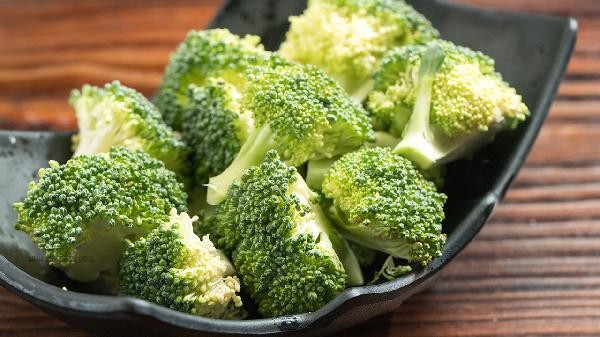
4. Strong Bones
broccoli is a good source of vitamin K, which plays a key role in bone metabolism, helping to promote osteocalcin synthesis and increase bone density. At the same time, the calcium and magnesium elements it contains can synergistically support the integrity of bone structure and prevent osteoporosis. For adolescents and postmenopausal women during their growth and development period, regularly consuming broccoli can help maintain bone strength. It should be noted that vitamin K may affect the effectiveness of anticoagulant drugs, and those taking related drugs should consult a doctor.
5. Auxiliary weight control
broccoli has low calories and high water content, which can provide a strong sense of satiety after consumption and help reduce the intake of other high calorie foods, thereby assisting in weight control. Its rich fiber can also slow down gastric emptying, stabilize postprandial blood sugar levels, and avoid fat accumulation caused by severe insulin fluctuations. Making broccoli a part of the main meal and replacing some refined staple foods is an effective strategy for a healthy weight loss diet. However, relying solely on a certain type of food cannot achieve significant weight loss effects, and overall dietary adjustments are necessary.
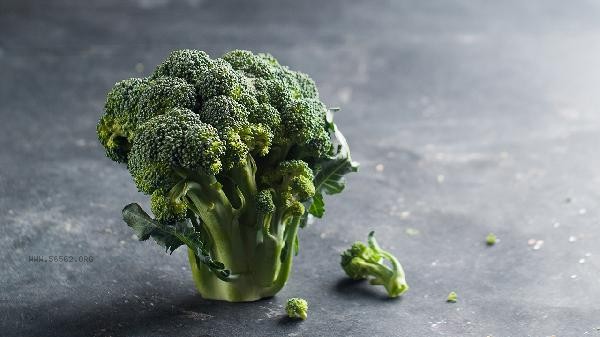
Daily consumption of broccoli should pay attention to cleaning thoroughly, removing surface residues, and using low-temperature cooking methods such as stir frying or steaming to maximize the retention of nutrients. Although broccoli is beneficial for most people, individuals with thyroid dysfunction should pay attention to moderation as it contains small amounts of thyroid swelling inducing substances, and excessive consumption of raw materials may interfere with iodine absorption. It is recommended to incorporate it into a diversified dietary structure and pair it with meat, eggs, and soy products to ensure a balanced intake of protein and trace elements. If allergic reactions such as rash and difficulty breathing occur after consumption, stop eating immediately and seek professional guidance promptly.








Comments (0)
Leave a Comment
No comments yet
Be the first to share your thoughts!