
Moderate consumption of oysters by women can help supplement nutrition, but excessive or unclean consumption of oysters may cause physical discomfort.
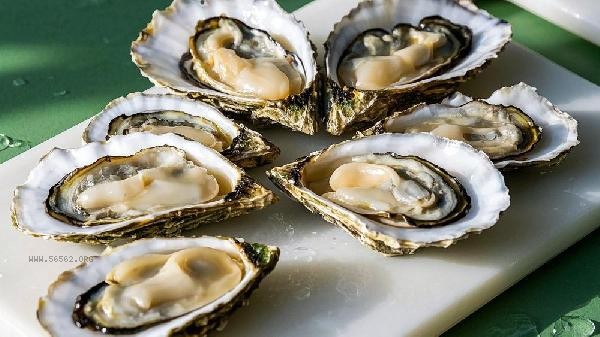
1. Zinc supplementation for strengthening the body
Oysters are rich in zinc, and moderate intake by women can help maintain normal immune system function, promote wound healing, and improve taste loss or loss of appetite caused by zinc deficiency. Zinc also participates in the synthesis of various enzymes in the body and has a positive effect on maintaining skin health and hair luster. It is suitable as a dietary supplement for women with weak constitution or in the recovery period after surgery, but attention should be paid to cooking thoroughly to avoid parasitic infections.
2. Nourishing Blood and Beauty
Oysters are rich in iron and vitamin B12, which are important raw materials for red blood cell production. Women are prone to blood loss due to physiological reasons, and moderate consumption of oysters can help prevent iron deficiency anemia and improve symptoms such as pale complexion, fatigue, and dizziness. At the same time, its high-quality protein and trace elements can work together to help maintain skin elasticity, delay signs of aging, and make complexion more rosy.
3. Regulating Emotions
Taurine and various amino acid components in oysters have a regulatory effect on the nervous system, which helps alleviate anxiety and irritability caused by work pressure or hormone fluctuations in women. Adequate nutritional supply can support the normal synthesis of neurotransmitters, thereby improving sleep quality and stabilizing mental state. For people with mild emotional depression, dietary adjustments combined with regular sleep patterns can often achieve good soothing effects.
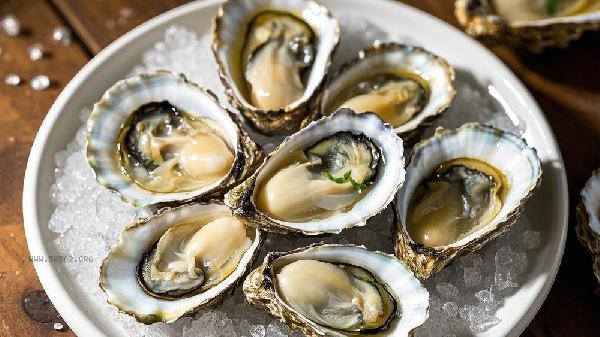
4. Allergy Risk
Some women have an allergic constitution and may experience skin itching, redness, urticaria, and other allergic reactions after consuming oysters. In severe cases, they may even experience difficulty breathing or shock. Oysters, as high protein seafood, are one of the common allergens. If there is a history of seafood allergy, it should be strictly avoided from consumption. Once discomfort symptoms occur, it is necessary to immediately stop eating and seek medical attention promptly, and follow the doctor's advice to use anti allergic drugs for treatment.
5. Gastrointestinal burden
Oysters are cold in nature and contain a large amount of protein. If consumed in large quantities or undercooked at once, it can easily lead to gastrointestinal dysfunction. Female patients with spleen and stomach deficiency and cold may experience digestive symptoms such as abdominal pain, diarrhea, nausea, and vomiting after consumption. In addition, oysters carrying pathogenic bacteria or viruses may also cause acute gastroenteritis. It is recommended to control the single consumption amount and ensure thorough heating before consumption to reduce irritation to the gastrointestinal tract. When women enjoy the nutritional benefits of oysters, they must pay attention to the freshness of the ingredients and cooking methods, ensuring thorough cooking to kill potential pathogens. Daily diet should be diversified to avoid long-term consumption of a single and large amount of certain foods, in order to prevent nutritional imbalance or increase the burden on the body. Patients with spleen and stomach deficiency cold, gout, pregnant women and other special populations should consume with caution under the guidance of professional doctors or nutritionists. If any discomfort occurs after consumption, stop immediately and seek medical help. Do not self medicate to delay the condition. Maintaining a balanced diet, moderate exercise, and a positive mindset are the fundamental ways to maintain women's health.






Comments (0)
Leave a Comment
No comments yet
Be the first to share your thoughts!