
Swimming is a beneficial exercise for both physical and mental health, but there are also some risks that need to be noted.
1. Enhance cardiorespiratory function: Swimming is a systemic aerobic exercise that can effectively enhance cardiorespiratory function. The resistance of water requires the heart and lungs to work harder, thereby improving cardiovascular endurance. This is of great help in preventing cardiovascular diseases. Imagine that every time you wave your arms and kick your legs in the water, it's a workout for your heart and lungs.
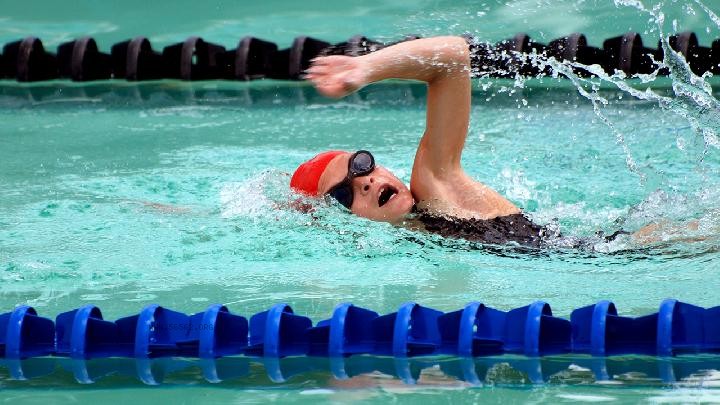
2. Full body exercise: Swimming can exercise muscle groups throughout the body. Whether it's freestyle, breaststroke, backstroke, or butterfly, each stroke can exercise different muscle groups. For example, breaststroke mainly exercises the thigh and hip muscles, while freestyle has a good exercise effect on the upper limbs and core muscle groups. In this way, swimming not only helps us maintain our body shape, but also enhances muscle strength. 3. Stress relief and relaxation: Water has a natural soothing effect, and swimming can help us reduce stress and anxiety. When we float in the water, the tension in our body gradually disappears and our mood becomes pleasant. Many people have found that after swimming, they feel refreshed and energized.
4. Promote blood circulation: When swimming, the combination of water pressure and exercise promotes blood circulation. This can help the body deliver oxygen and nutrients more effectively, improve skin condition, and reduce swelling and fatigue.
5. Suitable for all age groups: Swimming is a sport suitable for all age groups. Both children and the elderly can enhance their physical fitness through swimming. For elderly people, swimming is a low impact exercise that does not cause excessive pressure on joints, making it very suitable for arthritis patients. Although swimming has many benefits, there are also some potential risks to be aware of: 1. Drowning risk: The most obvious risk of swimming is drowning, especially for people who are not familiar with water. To avoid this situation, it is recommended to swim in a swimming pool with lifeguards or safe waters, and not swim alone.
2. Excessive fatigue: Excessive swimming training may lead to physical fatigue and muscle damage. Especially for beginners, swimming time and intensity should be gradually increased to avoid swimming for too long at once.
3. Skin and ear problems: Prolonged immersion in water may cause dry, itchy, and even infected skin. Chlorine gas in swimming pools can also cause discomfort to the skin and eyes. To protect the skin, you can use moisturizer before and after swimming and wear goggles while swimming. In addition, it is important to clean your ears promptly after swimming to avoid ear canal infections.
4. Changes in water temperature: Severe changes in water temperature may have adverse effects on the body, especially for heart disease patients. It is recommended to wet the body with water before entering the water, gradually adapt to the water temperature, and avoid sudden entry into cold water. Overall, swimming is a very beneficial sport, but while enjoying its benefits, it is also important to pay attention to safety and protective measures. I hope these suggestions can help you better enjoy the fun of swimming while maintaining good health.






Comments (0)
Leave a Comment
No comments yet
Be the first to share your thoughts!