
Moderate consumption of pig blood can help supplement high-quality protein and iron elements, but excessive intake or consumption of unclean pig blood may increase gastrointestinal burden and infection risk.
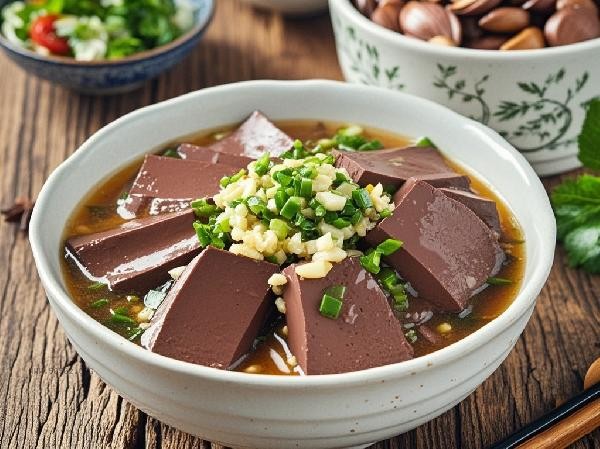
1. Supplementing Iron and Nourishing Blood
Pig blood contains abundant heme iron, which has a high absorption rate and has a good auxiliary improvement effect on people with iron deficiency anemia. When lacking iron, the human body is prone to symptoms such as pale complexion, fatigue, and dizziness. Moderate intake of pig blood can help with hemoglobin synthesis, promote oxygen transport, and alleviate physical discomfort caused by anemia. It is particularly suitable as a dietary supplement for women during menstruation or adolescents during growth and development.
2. Provide high-quality protein
Pig blood is a high protein and low-fat food source, with a reasonable protein and amino acid composition that is easy to digest and absorb by the human body. For people who need to control their fat intake while also wanting to supplement their nutrition, pig blood is an ideal food choice. Adequate intake of high-quality protein helps maintain muscle mass, support immune system function, promote tissue repair, and has certain nutritional support value for patients in the postoperative recovery period or those with weak constitution.
3. Cleaning up intestinal waste
The traditional view is that plasma proteins in pig blood can react with dust and harmful metal particles entering the human body after being broken down by digestive enzymes, converting them into substances that are not easily absorbed and excreted from the body. Although more clinical data is needed to support this mechanism in medicine, from the perspective of dietary fiber and food residue, moderate consumption of pig blood can indeed increase fecal volume, promote intestinal peristalsis, help alleviate mild constipation, and maintain gastrointestinal patency.
4. Causing indigestion
If too much pig blood is consumed at once, due to its high protein content and special texture, it may exceed the digestive capacity of the gastrointestinal tract, leading to digestive symptoms such as bloating, abdominal pain, or diarrhea. Especially for elderly people and children who suffer from chronic gastritis, gastric ulcers, or weak digestive function, overeating can increase gastrointestinal burden, cause discomfort such as nausea and vomiting, and affect normal eating rhythm and quality of life.
5. There is a risk of infection
If the source of pig blood is unknown or the hygiene conditions during processing are not up to standard, it may carry bacteria, viruses, or parasitic eggs. Consuming contaminated pig blood that is not fully cooked can easily lead to acute gastroenteritis, food poisoning, and even zoonotic infectious diseases. In addition, although the cholesterol content in pig blood is not very high, for patients with hyperlipidemia or cardiovascular disease, long-term consumption in large quantities still needs to be cautious to avoid blood lipid fluctuations affecting disease control.
Pig blood should be thoroughly cooked before consumption in daily diet, avoiding raw or undercooked food to ensure food safety. It is recommended to consume no more than twice a week, with each intake controlled within an appropriate range, and to pair with fresh vegetables and fruits to promote balanced nutrient absorption. People with hyperuricemia, gout, or allergies to animal blood products should limit or avoid consumption. If abnormal symptoms such as rash, difficulty breathing, or severe abdominal pain occur after consumption, immediately stop eating and seek medical attention promptly. Professional doctors should evaluate and treat the condition, and do not self medicate to delay the condition.








Comments (0)
Leave a Comment
No comments yet
Be the first to share your thoughts!