
Moderate consumption of passion fruit can help supplement vitamin C and dietary fiber, but for those with excessive stomach acid, consuming it may cause stomach discomfort.

1. Supplementing nutrition
Passion fruit contains various essential amino acids, vitamins, and minerals for the human body, among which vitamin C has a high content, which helps to enhance the body's immunity and promote collagen synthesis. Moderate daily consumption can help the body maintain normal metabolic function, improve skin condition, and have a certain auxiliary effect on preventing scurvy. It is a good source of nutrition in daily diet.
2. Promoting digestion
The abundant dietary fiber in fruits can promote gastrointestinal peristalsis, increase fecal volume, and help alleviate functional constipation. For people who have difficulty defecating due to prolonged sitting or a refined diet, moderate intake of passion fruit can regulate the balance of gut microbiota, improve the digestive system environment, help better digest and absorb food, and maintain intestinal health.
3. Drinking water to quench thirst
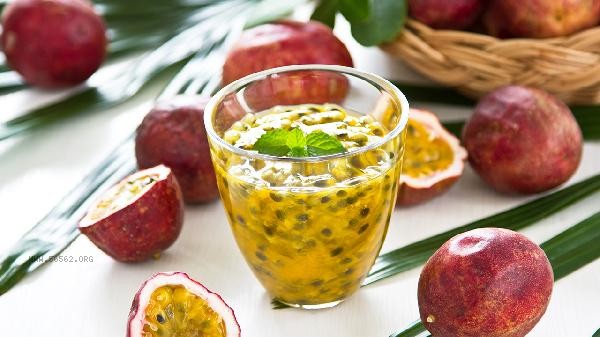
Passion fruit juice is rich in flavor and unique, with a sweet and sour taste that can stimulate saliva secretion and have the effect of producing water to quench thirst. When experiencing dry mouth and tongue after hot weather or exercise, consuming a small amount of passion fruit or drinking its juice can quickly replenish water, relieve thirst symptoms, and the organic acids it contains can also enhance appetite and improve loss of appetite.
4. Stimulating the gastrointestinal tract
Due to the high content of fruit acids and organic acids in passion fruit, consuming it on an empty stomach or directly in large quantities may stimulate the gastric mucosa, leading to excessive secretion of gastric acid. For individuals suffering from chronic gastritis, gastric ulcers, or those with high gastric acid secretion, excessive consumption can easily cause discomfort symptoms such as acid reflux, heartburn, and stomach pain, exacerbating the existing condition and requiring caution.
5. Tooth damage
High concentrations of acidic substances in long-term contact with the surface of teeth may corrode enamel, leading to increased risk of tooth sensitivity or caries. If the mouth is not rinsed promptly after consumption, acidic residues will continue to affect the teeth, especially for children whose teeth have not fully developed or elderly people with thin enamel. It is important to control the frequency and amount of consumption to protect oral health.
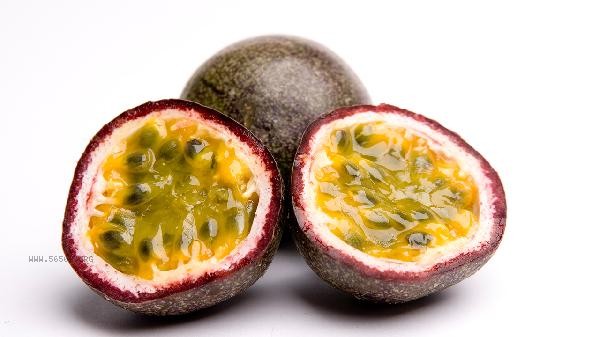
It is recommended to limit the daily consumption of passion fruit to two to three per day, avoid eating on an empty stomach, and rinse your mouth with water promptly after consumption to reduce the erosion of acidic substances on your teeth. People with weaker gastrointestinal function should consume passion fruit in combination with other mild foods or dilute it with fruit juice to reduce direct irritation to the gastrointestinal tract. If there are obvious allergic reactions such as stomach pain, acid reflux, or rash after consumption, immediately stop eating and observe the changes in symptoms. If necessary, seek professional medical help to ensure a safe and healthy diet balance.



Comments (0)
Leave a Comment
No comments yet
Be the first to share your thoughts!