
Drinking Longjing tea has the benefits of refreshing the mind and aiding in lipid-lowering, but excessive consumption may lead to disadvantages such as insomnia and gastrointestinal discomfort.

1. Refreshing and Awakening
Longjing tea contains an appropriate amount of caffeine, which can stimulate the central nervous system, help people invigorate their spirits, and enhance their thinking agility. For people who experience fatigue due to prolonged work or study, moderate consumption can help alleviate fatigue. At the same time, the amino acid components in tea help stabilize emotions, preventing excessive excitement while maintaining wakefulness, making it suitable for drinking during the day when concentration is needed.
2. Assisting in lipid-lowering
Longjing tea is rich in antioxidants such as tea polyphenols and vitamin C, which help promote fat metabolism in the body and reduce cholesterol deposition in blood vessel walls. Long term moderate consumption has a certain positive significance in maintaining cardiovascular health and can assist in regulating blood lipid levels. In addition, the various trace elements in tea soup can enhance vascular elasticity, which has potential health value for preventing chronic problems such as arteriosclerosis.
3. Clearing heat and diuresis
From a traditional Chinese medicine perspective, Longjing tea has a cool nature and has the effects of clearing heat, relieving summer heat, generating fluids, and quenching thirst. Drinking Longjing tea can help eliminate excess heat and toxins from the body during hot seasons or when there are symptoms of internal heat. Its diuretic effect can promote urine production, accelerate the excretion of metabolic waste, and have a certain improvement effect on relieving symptoms such as dry mouth and tongue, short and red urine. It is an ideal natural drink in summer.

4. Affects Sleep
Due to the presence of caffeine and theophylline in Longjing tea, if consumed in large quantities at night or before bedtime, it can easily cause nerve excitement, leading to difficulty falling asleep or a decrease in sleep quality. Especially for people who are already neurasthenic or sensitive to caffeine, drinking tea at night may exacerbate insomnia symptoms. Long term lack of sleep can lead to weakened immunity, decreased memory, and other problems. Therefore, it is recommended that this group of people strictly control their tea drinking time and concentration.
5. Stimulating the gastrointestinal tract
Drinking concentrated Longjing tea on an empty stomach or excessive consumption can stimulate the gastric mucosa with tannic acid and caffeine in the tea, leading to excessive secretion of gastric acid and causing discomfort symptoms such as stomach pain, nausea, and palpitations. For people with gastrointestinal diseases such as gastric ulcers and gastritis, improper tea drinking may worsen the condition. In addition, tea can dilute gastric juice, affecting the normal digestion and absorption of food, which may lead to malnutrition or digestive disorders in the long run.
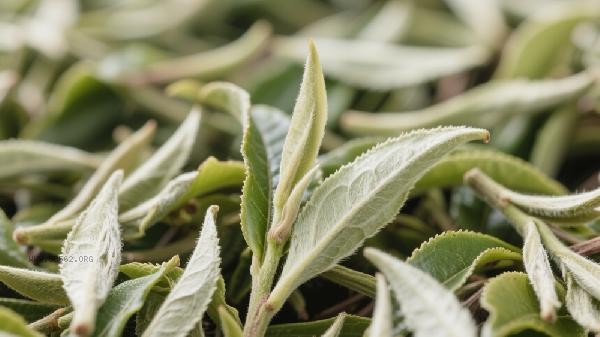
When drinking Longjing tea in daily life, attention should be paid to controlling the concentration and amount, avoiding drinking tea on an empty stomach and before bedtime. Special groups such as pregnant women, children, and those with weak gastrointestinal function need to be cautious. It is recommended to combine a balanced diet, eat more fresh vegetables and fruits, ensure sufficient sleep, and engage in appropriate outdoor exercise to enhance physical fitness. If you experience obvious physical discomfort after drinking tea, you should immediately stop drinking and consult a professional doctor for advice. Do not self medicate to ensure good health.








Comments (0)
Leave a Comment
No comments yet
Be the first to share your thoughts!