
Four dimensional color ultrasound is mainly used for screening fetal abnormalities, assessing pregnancy health, and diagnosing certain specific diseases. It combines multidimensional imaging technology and real-time dynamic observation to provide more comprehensive and detailed information for medical diagnosis.
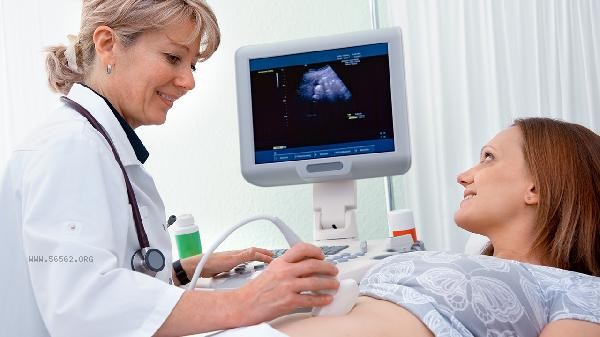
1 Fetal malformation screening
Four dimensional ultrasound can clearly present fetal facial, limb, and other structural abnormalities, such as cleft lip and palate, limb deformities, and cardiac structural abnormalities. This plays an important role in early detection of congenital abnormalities in fetuses and in developing medical plans. The best time for 4D ultrasound is usually between 22-26 weeks of pregnancy, as the fetus is well-developed and the amniotic fluid volume is moderate, which is beneficial for imaging.
2 Pregnancy Health Assessment
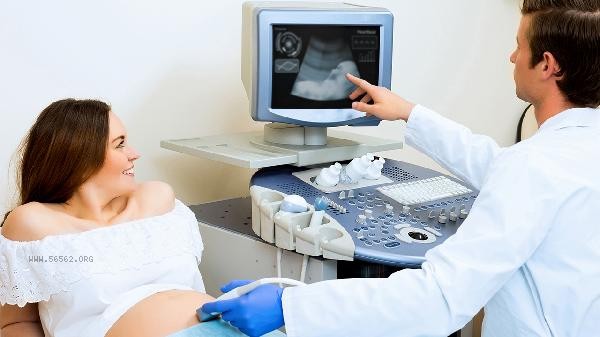
Four dimensional ultrasound can dynamically observe fetal behavioral activities, such as yawning, reaching out, etc., to evaluate fetal development. At the same time, for problems such as abnormal position of the placenta, insufficient or excessive amniotic fluid volume, and umbilical cord entanglement, four-dimensional ultrasound can be used to detect and take corresponding measures in a timely manner to ensure maternal and infant health.
3 Specific Disease Diagnosis
Four dimensional color ultrasound can be used for the diagnosis of certain diseases in adults or children, such as preliminary screening of tumors, organ lesions, or vascular abnormalities. In the process of auxiliary medical treatment, it can provide doctors with necessary information to help develop more accurate treatment plans. However, this use is relatively rare compared to fetal screening, and it needs to be judged based on clinical conditions when used. The widespread application of 4D ultrasound in healthcare has improved the accuracy and efficiency of diagnosis, especially for fetal evaluation during pregnancy, making it an indispensable tool. If there is a relevant need, the appropriate examination time and purpose should be selected under the advice of a professional doctor in order to maximize its effectiveness.









Comments (0)
Leave a Comment
No comments yet
Be the first to share your thoughts!