
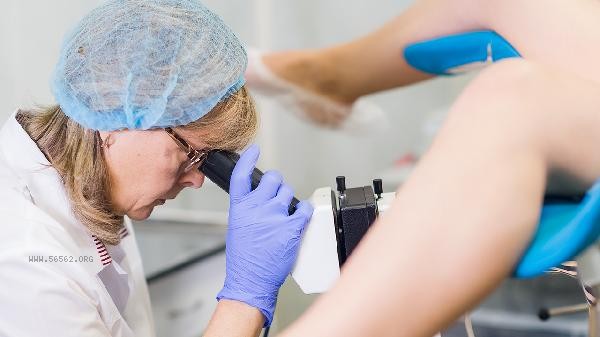
There are indeed some taboos that need to be followed before gynecological examination, mainly including avoiding sexual intercourse, avoiding vaginal medication, avoiding vaginal flushing, paying attention to clothing, and choosing the appropriate time.
1. Avoid sexual intercourse:
Sexual intercourse should be avoided within 3 days before gynecological examination. After sexual intercourse, semen may remain in the vagina, affecting the routine examination results of vaginal secretions and leading to biased judgments of pathogens such as bacteria and trichomonas. Meanwhile, having sexual intercourse may also cause slight congestion or damage to the vaginal mucosa, which may affect the accuracy of pathological diagnosis during cervical scraping or HPV testing due to changes in cell morphology.
2. Avoid vaginal medication:
You should stop using any vaginal medication 2-3 days before the examination, including various suppositories, gel, ointments and effervescent tablets used to treat vaginitis. These drugs will cover the surface of the vagina and cervix, interfering with the doctor's direct observation of the appearance of the vaginal wall and cervix. At the same time, the drug components mixed into secretions will change the bacterial environment and pH level inside the vagina, resulting in distorted results of routine vaginal discharge and microecological testing, which cannot reflect the true health status.
3. Avoid vaginal flushing:
Do not perform vaginal flushing within 24 hours before the examination. The vagina itself has a self-cleaning function, and the normal microbiota maintains a microecological balance. Rinsing can disrupt this balance, washing away protective lactobacilli and potentially introducing external bacteria into the cervix or uterine cavity. More importantly, rinsing will wash away abnormal secretions and shed cells, making it difficult for doctors to accurately determine the presence of infection or lesions during examination, which can easily lead to missed diagnosis.
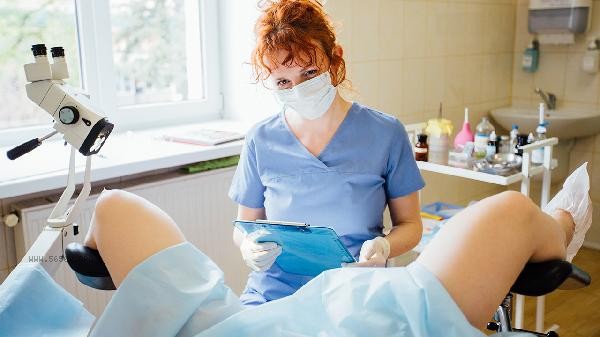
4. Pay attention to clothing: On the day of the gynecological examination, it is recommended to wear loose and easy to put on and take off clothing and shoes, such as skirts or loose wide leg pants. Avoid wearing jumpsuits, leggings, or complex shapewear, as the examination requires exposure of the lower abdomen and perineum. Complex clothing can increase the difficulty and time of putting on and taking off, causing unnecessary embarrassment and tension. Loose clothing can make the examinee feel more comfortable during the examination process and also facilitate cooperation with the doctor's operation.
5. Choose the appropriate time:
Gynecological examinations are best scheduled within 3-7 days after the end of menstruation. During this period, the endometrium has been basically repaired and will not interfere with the observation of the cervix and vagina due to the presence of menstrual blood. At the same time, invasive procedures during menstruation can also be avoided to increase the risk of infection. For situations where ovarian function needs to be checked or ovulation monitoring is required, doctors may specify specific times during the menstrual cycle for the examination, and at this time, strict adherence to the doctor's schedule should be followed.
In addition to the above taboos, it is recommended to maintain a normal daily routine before the examination, avoid staying up late and overworking. If you are in the acute infection phase such as fever or severe abdominal pain, you should inform your doctor first and let them decide whether to postpone the examination. On the day of the examination, one can eat normally, but it is recommended not to overeat to avoid discomfort caused by abdominal pressure during the examination. Maintaining a relaxed mindset and truthfully informing the doctor of one's medical history and symptoms can help obtain a more accurate diagnosis.








Comments (0)
Leave a Comment
No comments yet
Be the first to share your thoughts!