
The symptoms of lobster poisoning are usually arranged according to early manifestations, progressive stages, and terminal stages, mainly including nausea and vomiting, abdominal pain and diarrhea, fever and chills, difficulty breathing, shock and coma.
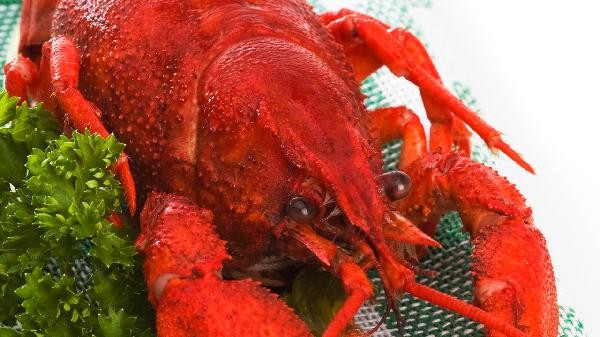
1. Nausea and vomiting
This is the earliest common manifestation of lobster poisoning, often caused by substances such as Vibrio parahaemolyticus or histamine carried by lobsters that irritate the gastrointestinal mucosa. Patients usually experience stomach discomfort within a few hours after eating, followed by severe nausea and frequent vomiting, with vomit mostly consisting of stomach contents. At this point, it is necessary to immediately stop consuming suspicious food and try drinking warm water to replenish fluids. If symptoms persist and do not improve, it is necessary to seek medical attention in the gastroenterology department of the hospital in a timely manner. The doctor may prescribe medication such as montmorillonite powder, metoclopramide tablets, or domperidone tablets for targeted treatment according to the situation.
2. Abdominal pain and diarrhea
As the toxin further acts in the intestine, patients will feel paroxysmal abdominal colic, with pain mostly concentrated around the navel or lower abdomen, followed by watery or mucous stools, and a significant increase in bowel movements. This stage indicates an exacerbation of intestinal inflammation and an increased risk of fluid loss. Parents need to closely monitor the mental state and changes in urine output of their children to prevent dehydration. In addition to fluid replacement, medications such as berberine hydrochloride tablets, norfloxacin capsules, or bifidobacterium triple active capsules are often used to inhibit bacterial growth and regulate intestinal microbiota balance in treatment.
3. Fever and shivering
When infectious toxins enter the bloodstream and trigger a systemic immune response, patients may experience elevated body temperature, accompanied by symptoms of systemic toxicity such as chills, shivering, and fatigue. This indicates that the condition has progressed from local gastrointestinal damage to systemic infection, commonly seen in bacterial food poisoning. At this point, simple dietary adjustments are no longer sufficient to control the condition, and it is necessary to seek medical attention as soon as possible for a blood routine test to assess the degree of infection. Amoxicillin capsules, cefepime dispersible tablets, or acetaminophen tablets are commonly used in clinical practice for anti infection and fever treatment. Specific medication must be strictly followed according to medical advice.

4. Dyspnea
Some individuals with allergies may experience severe allergic reactions after consuming lobster, leading to laryngeal edema or bronchospasm, resulting in chest tightness, shortness of breath, difficulty breathing, and even suffocation. This symptom progresses rapidly and is a precursor to critical illness. If not treated in a timely manner, it can be life-threatening. Once such symptoms are detected, do not take medication on your own and delay the timing. You should immediately call the emergency number to seek medical treatment. Hospitals usually administer emergency medications such as adrenaline injection, dexamethasone sodium phosphate injection, or chlorpheniramine maleate injection to quickly alleviate respiratory obstruction and allergic conditions.
5. Shock and Coma
If the symptoms of poisoning are not effectively controlled and the condition worsens to the terminal stage, patients may experience a sharp drop in blood pressure, blurred consciousness, wet and cold limbs, and even coma and shock, which are manifestations of multiple organ failure and have a very high mortality rate. This stage is often caused by severe dehydration, electrolyte imbalance, or septic shock, and requires comprehensive treatment in the intensive care unit. The medical team will use drugs such as norepinephrine injection, dopamine injection, or human serum albumin injection to maintain circulatory stability and support treatment according to specific situations, while actively correcting acid-base imbalances and organ dysfunction. The key to preventing lobster poisoning in daily life is to ensure that the ingredients are fresh and thoroughly cooked, avoid consuming dead or undercooked lobsters, and those with allergies should try with caution. During the eating process, pay attention to moderation and avoid overeating. If there is slight discomfort after meals, pause eating and observe. If symptoms worsen, seek medical attention immediately. Family reserve drugs are only for temporary emergency reference, and all drug use must be carried out under the guidance of professional physicians. Do not increase or decrease the dosage or prolong the treatment course without authorization, in order to avoid concealing the true condition or causing adverse reactions.









Comments (0)
Leave a Comment
No comments yet
Be the first to share your thoughts!