
The symptoms of high sympathetic nervous system tension mainly include palpitations, increased sweating, rapid breathing, elevated blood pressure, and digestive dysfunction. High sympathetic nervous system tension is usually caused by factors such as excessive stress, emotional fluctuations, lack of sleep, hyperthyroidism, or cardiovascular disease, and may be accompanied by symptoms such as dizziness, hand tremors, insomnia, etc.

1. Palpitation
Palpitation is a typical symptom of high sympathetic nervous system tension, characterized by increased heart rate, discomfort in the precordial area, or a feeling of heavy heartbeat. Excitement of the sympathetic nervous system can stimulate increased cardiac contractility and heart rate, which some patients may mistake for a heart attack. Long term palpitations may affect the quality of daily life. It is recommended to relieve symptoms through deep breathing training, and if necessary, check for organic problems such as arrhythmia.
2. Increased sweating
Excessive activation of the sympathetic nervous system can lead to vigorous secretion of sweat glands, commonly seen in palms, armpits, or the whole body. This type of sweating is not related to environmental temperature and often occurs suddenly when under stress, possibly accompanied by skin flushing. People with severe night sweats should pay attention to distinguishing them from menopausal syndrome. Keeping the skin clean and dry can help reduce discomfort.
3. Shortness of breath
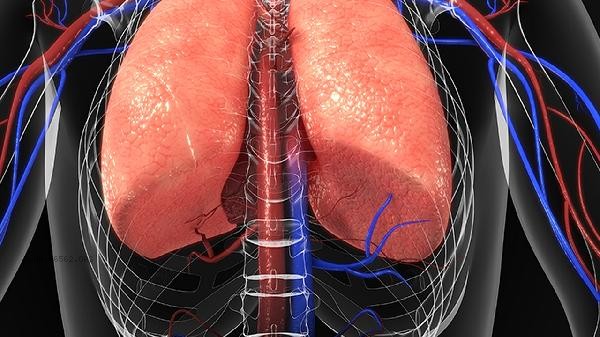
Increased respiratory rate and chest tightness are common manifestations, which are caused by sympathetic excitation leading to bronchiectasis and shallow rapid breathing. Some patients may experience hyperventilation syndrome, leading to numbness or dizziness in their hands and feet. It is recommended to use abdominal breathing training to regulate and avoid a vicious cycle caused by tension.

4. Elevated blood pressure
Continuous excitation of the sympathetic nervous system can cause vasoconstriction, resulting in transient blood pressure spikes, manifested as headaches and facial fever. Long term unrelieved blood pressure may develop into hypertension, and it is necessary to monitor changes in morning and nighttime blood pressure. Restricting sodium intake and regular aerobic exercise are beneficial for regulating autonomic nervous system function.
5. Digestive dysfunction
Abnormal gastrointestinal motility is characterized by decreased appetite, bloating, diarrhea, and constipation, which are related to sympathetic inhibition of digestive fluid secretion. Patients with worsening postprandial symptoms should avoid stimulating diets and eat small meals frequently. Persistent existence requires the exclusion of organic diseases such as gastritis and irritable bowel syndrome.
To improve high sympathetic nervous system tension, it is necessary to establish a regular sleep schedule, ensure 7 hours of sleep every day, and avoid using electronic devices before bedtime. Engage in aerobic exercise such as brisk walking and swimming at least 3 times a week, combined with progressive muscle relaxation training. Increase magnesium rich whole grains and dark green vegetables in diet, and limit caffeine intake. When the symptoms persist for more than two weeks or are accompanied by severe manifestations such as chest pain and blurred consciousness, it is necessary to seek timely evaluation at the neurology or psychosomatic medicine department.




Comments (0)
Leave a Comment
No comments yet
Be the first to share your thoughts!