
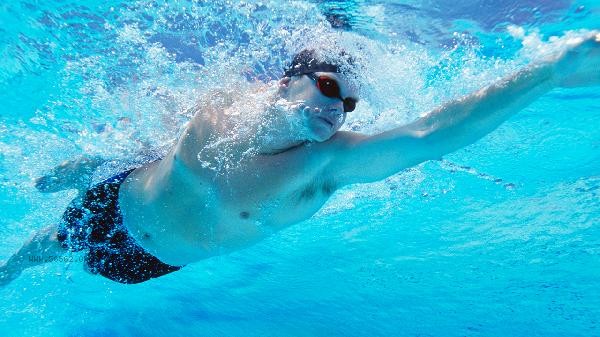
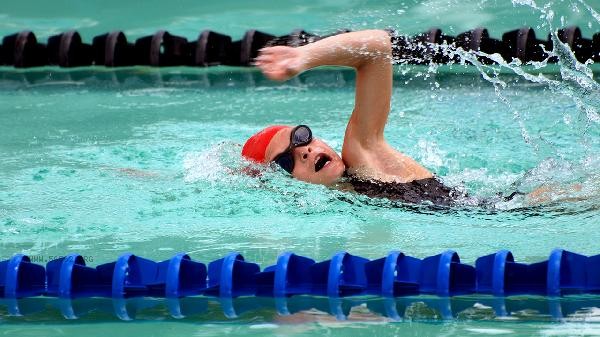
The weight loss effects of swimming and running vary from person to person. People with better cardiovascular function and healthy joints have higher fat burning efficiency when running, while those with a larger body weight or joint damage are more suitable for swimming. Swimming, as a whole-body aerobic exercise, can mobilize the limbs and core muscle groups to work together, and the buoyancy of water can reduce joint pressure, making it suitable for people with a weight exceeding the standard value. Water temperature lower than body temperature will encourage the body to burn more calories to maintain a constant temperature, but after swimming, it is easy to stimulate appetite due to the decrease in body temperature, so it is necessary to pay attention to controlling dietary intake. Freestyle swimming consumes about 600 calories per hour, while breaststroke consumes about 500 calories per hour. The sustained burning effect after exercise can last for 2-3 hours. Maintaining a heart rate in the range of 60% -70% of maximum heart rate while swimming can achieve good weight loss effects. It is recommended to do it 3-4 times a week, each time lasting for more than 40 minutes.

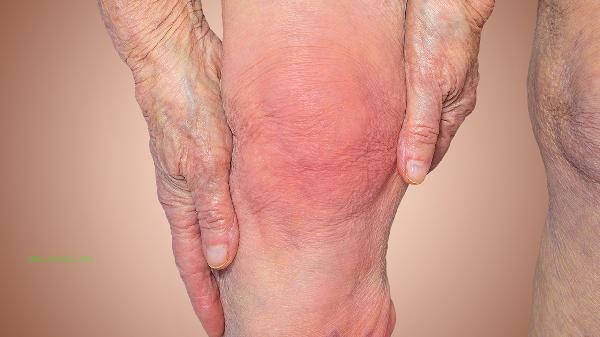
Running has a significant effect on improving basal metabolic rate, with calorie consumption usually higher than swimming in the same amount of time. Slow jogging consumes about 650 calories per hour, while fast jogging can reach up to 800 calories per hour. Running can effectively activate the large muscle groups in the lower limbs, and the excessive oxygen consumption effect after exercise can last for 24-48 hours. But when running, the knee joint needs to withstand 3-5 times the impact force of body weight, and those with a BMI over 28 or meniscus injury should avoid it. It is recommended to use interval training mode for weight loss during running, such as alternating between 1-minute sprint running and 2-minute slow running, and combining 3 times a week with 2 strength training sessions for better results. Regardless of which exercise method is chosen, it is necessary to cooperate with dietary management to ensure a calorie deficit, and do warm-up stretching before and after exercise to prevent injury. It is recommended to adjust the exercise plan every 2-3 weeks based on changes in body fat percentage, and if necessary, consult a professional fitness coach to develop a personalized plan. Long term adherence to exercise combined with a balanced diet is necessary to achieve healthy weight loss.






Comments (0)
Leave a Comment
No comments yet
Be the first to share your thoughts!